Water is coming into the building right now
Call us and tell us where the water is showing up. We will get a crew on the roof to stop the leak and protect the space below.

Roof Damage Repair
Repair open commercial roof seams in Rochester, MN with mapped laps, compatible materials, verified tie-ins and a dated closeout record.
Call us and tell us where the water is showing up. We will get a crew on the roof to stop the leak and protect the space below.
We walk the roof, photograph what we find and give you a written scope with repair options before any work starts.
Rochester, MN
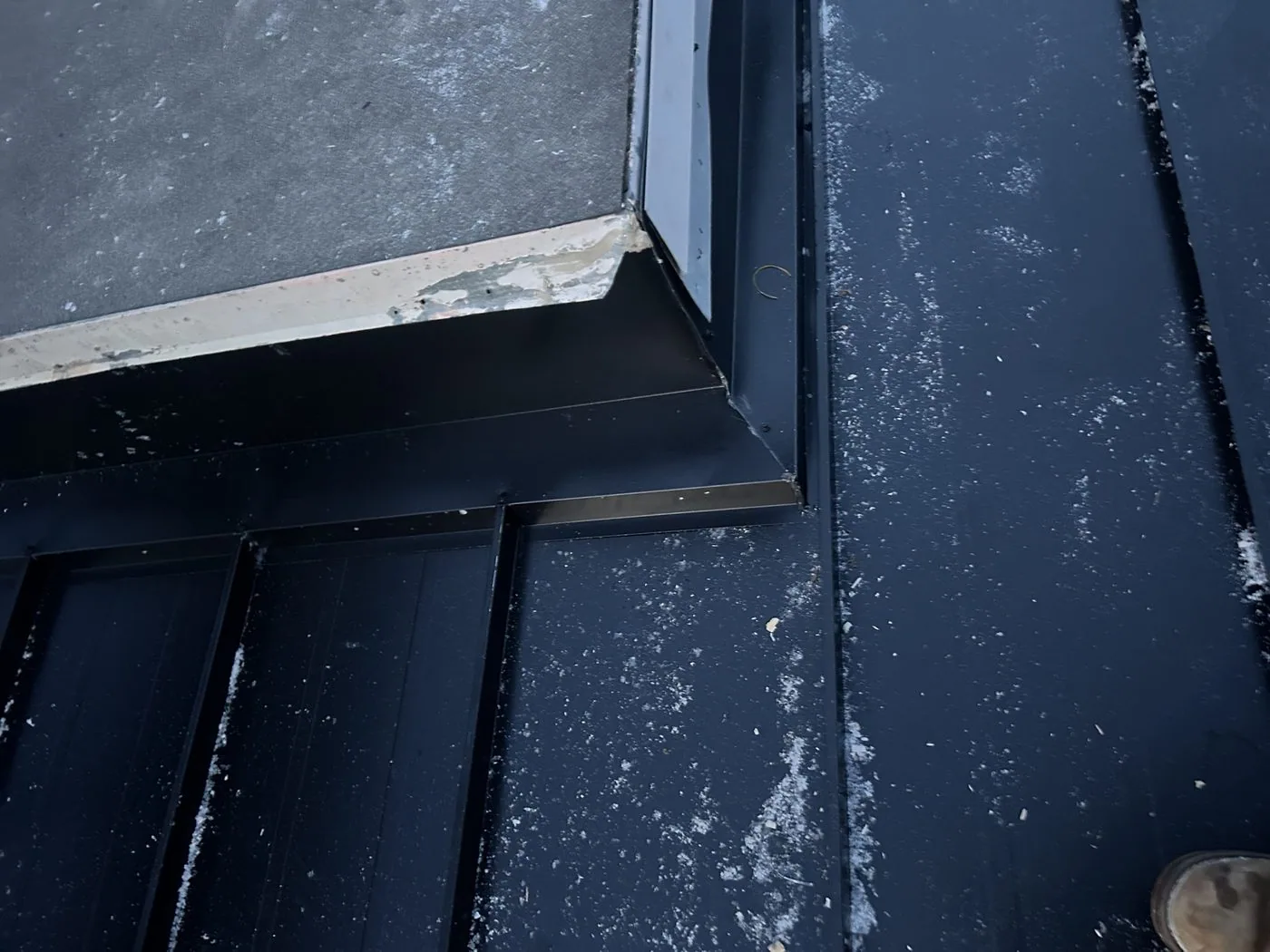
A fishmouth at a field lap can start as a narrow wrinkle and become a water path when the sheet edge lifts. We follow the seam to its intersection, check the substrate and inspect nearby patches before choosing how far to open the detail. The record identifies the lap, roof zone, material when known and tested boundary. That lets an owner distinguish one failed weld or bond from a broader membrane condition.
Rochester's winter weather brings freeze-thaw periods as well as a 46.3-inch normal seasonal snowfall concentrated from December through March. Before winter, we review exposed laps alongside drain and edge details, then set the repair from the conditions found at the property. At Mayo Clinic Support Campus or along the North Broadway Corridor, we confirm the building's assembly and service history before assigning a seam repair. The local address gives context; the field detail governs the scope.
Share the Rochester address, reported leak area, system records and prior repair notes. We will inspect the lap and adjoining transitions, document the tested length and return a repair boundary with compatible materials.
We examine the full seam length around the reported opening, then check end laps, corners, curb tie-ins, patches and membrane transitions. A probe or adhesion check can help locate separation, but the result is considered with material condition and what sits beneath the sheet. We photograph the opening at close range and from a wider point on the roof. The Diligence Notes show how much seam was checked and whether any section remained hidden by equipment.
Different membranes fail in different ways. A heat-welded sheet may have an incomplete or contaminated weld; an adhered lap may release at its bond; a bituminous seam can split or lose embedment. We identify the installed type before selecting repair materials. A TPO lap repair detail addresses welded sheet, while a EPDM seam review evaluates the tape or adhesive condition. An adjacent flashing check helps determine whether water is entering at the lap or its transition.
The record identifies the seam, its direction, nearby penetrations, repair materials, photographs and test date. If the membrane is opened, we describe each layer and whether insulation or deck conditions altered the boundary. A moisture scan may indicate an area for confirmation, but the report says whether physical testing established the condition. We note the closure material and any location still requiring access so a temporary patch does not become an undocumented permanent repair.
Golden Hill includes commercial, industrial and park or open-space uses. At a property there, we identify the roof material and map the seam section before setting a repair boundary. A Golden Hill seam inspection ties findings to the address. A photo condition report preserves the lap location, tested area and future review date for maintenance staff.
We remove loose material and contamination, then prepare the membrane for a compatible repair. For a weldable sheet, the repair is heat-fused and checked along the full perimeter. For an adhered or taped system, the preparation and primer follow the verified material requirements. A repair that bridges a wrinkle without addressing the open edge can leave a channel below it. We set the repair boundary on sound material and restore any cover strip or reinforcement needed at the seam intersection.
If water has reached insulation or a seam has opened across a broad field, surface work alone may not restore the assembly. We photograph the opened section, quantify the exposed layers and seek direction if the scope needs expansion. A roof repair plan records material and limits, while a moisture survey can prioritize locations where concealed wet insulation would change the recommendation. Each test has a stated purpose and closure detail.
A single separated seam with sound sheet on both sides may be suitable for a localized repair. Repeated openings, brittle membrane, displaced attachment, wet insulation or failed intersections can require a wider scope. We compare the options against seam length, system type, substrate, drainage, repair history and access. Where recover or replacement is considered, the report notes existing layers and edge heights rather than assuming new material can be added over any assembly.
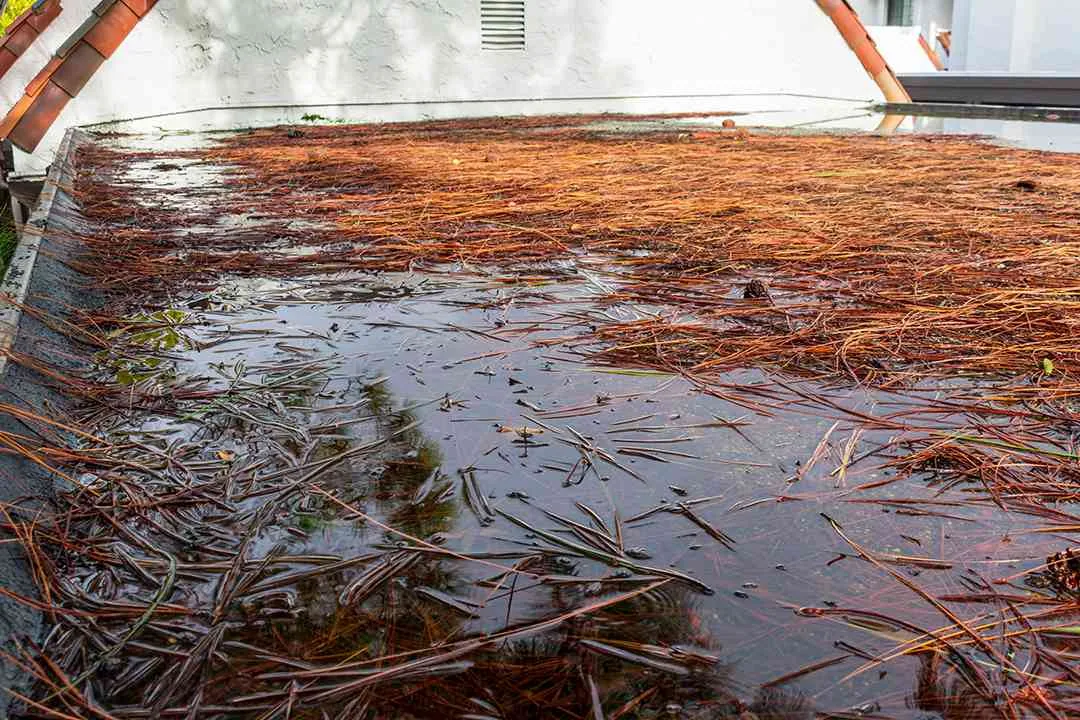
Downtown Rochester includes mapped areas such as Central Station and the Downtown Waterfront; a district name does not reveal membrane condition. We document the actual property and roof zone. A ponding-water evaluation can check whether standing water is stressing a lap, and a wind damage inspection can document related edge movement. The written recommendation keeps the seam failure distinct from another mechanism and shows which test or repair resolves each finding.
Equipment maintenance and foot traffic can disturb a repaired lap or nearby flashing. Scheduled roof visits revisit the seam, end laps, intersections, curb tie-ins and paths used by other trades. We compare current photographs with the closeout, note any new lift or separation and distinguish observation from authorized repair. If a seam passes beneath equipment and could not be checked, the record identifies that restriction and what access would be needed.
Rochester's normal snowfall peaks in winter months, so a property may schedule seam and drainage reviews before that period when access permits. A maintenance visit can keep the repair date and next inspection on file. Send the address, reported leak location, roof system information and any prior seam work. We will trace the lap, mark the verified boundary and return photographs with a compatible repair scope.
Other services, systems and buildings that often come up alongside this work in Rochester.
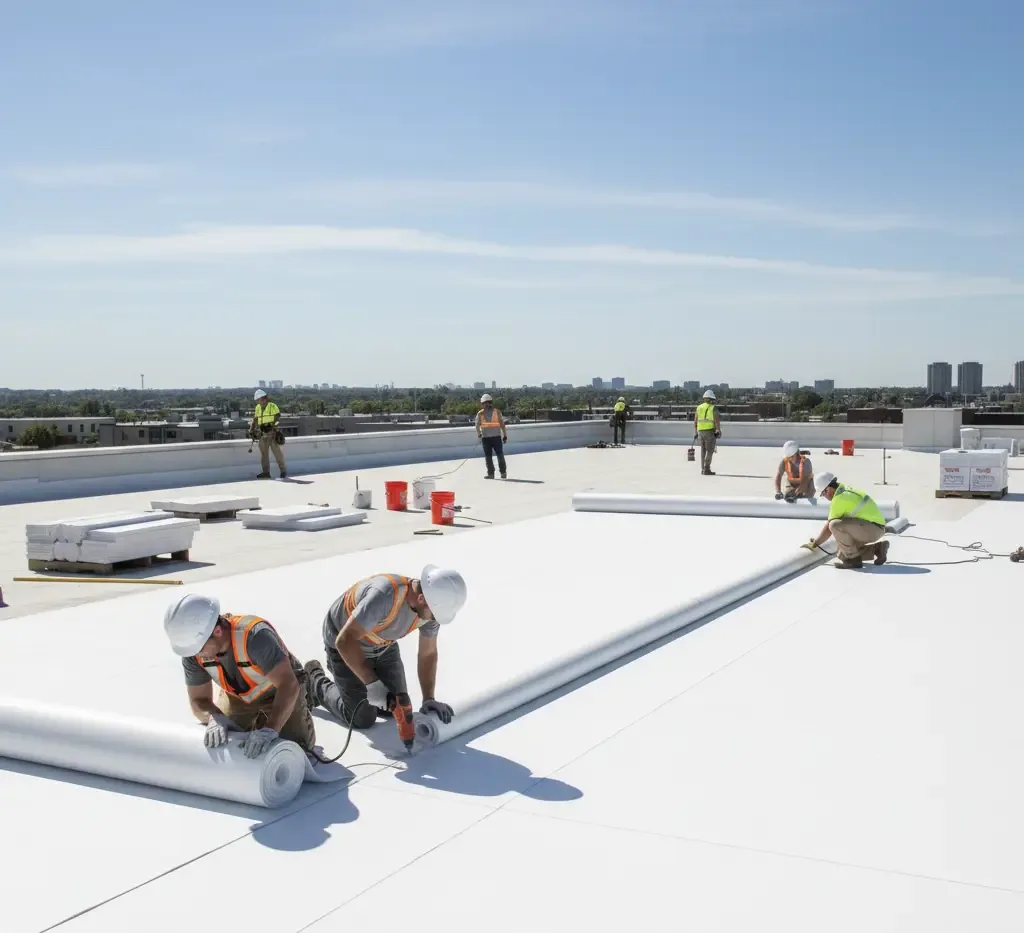
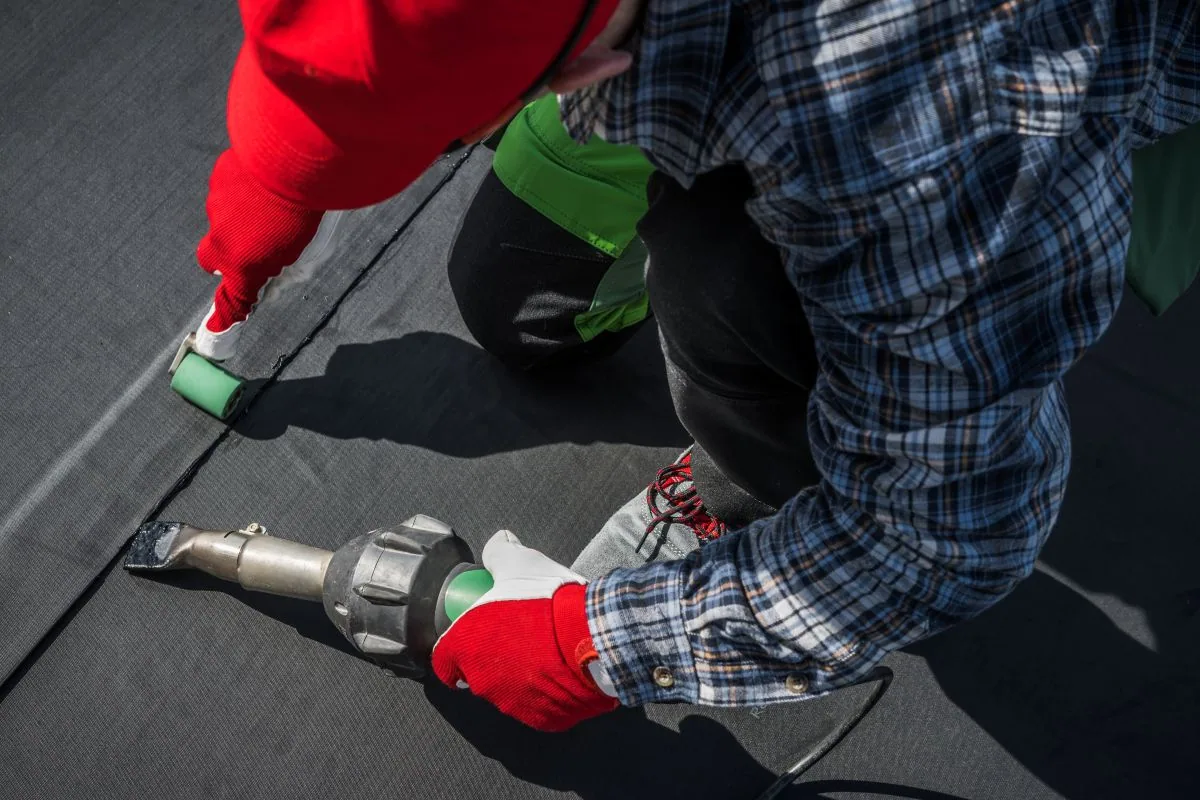
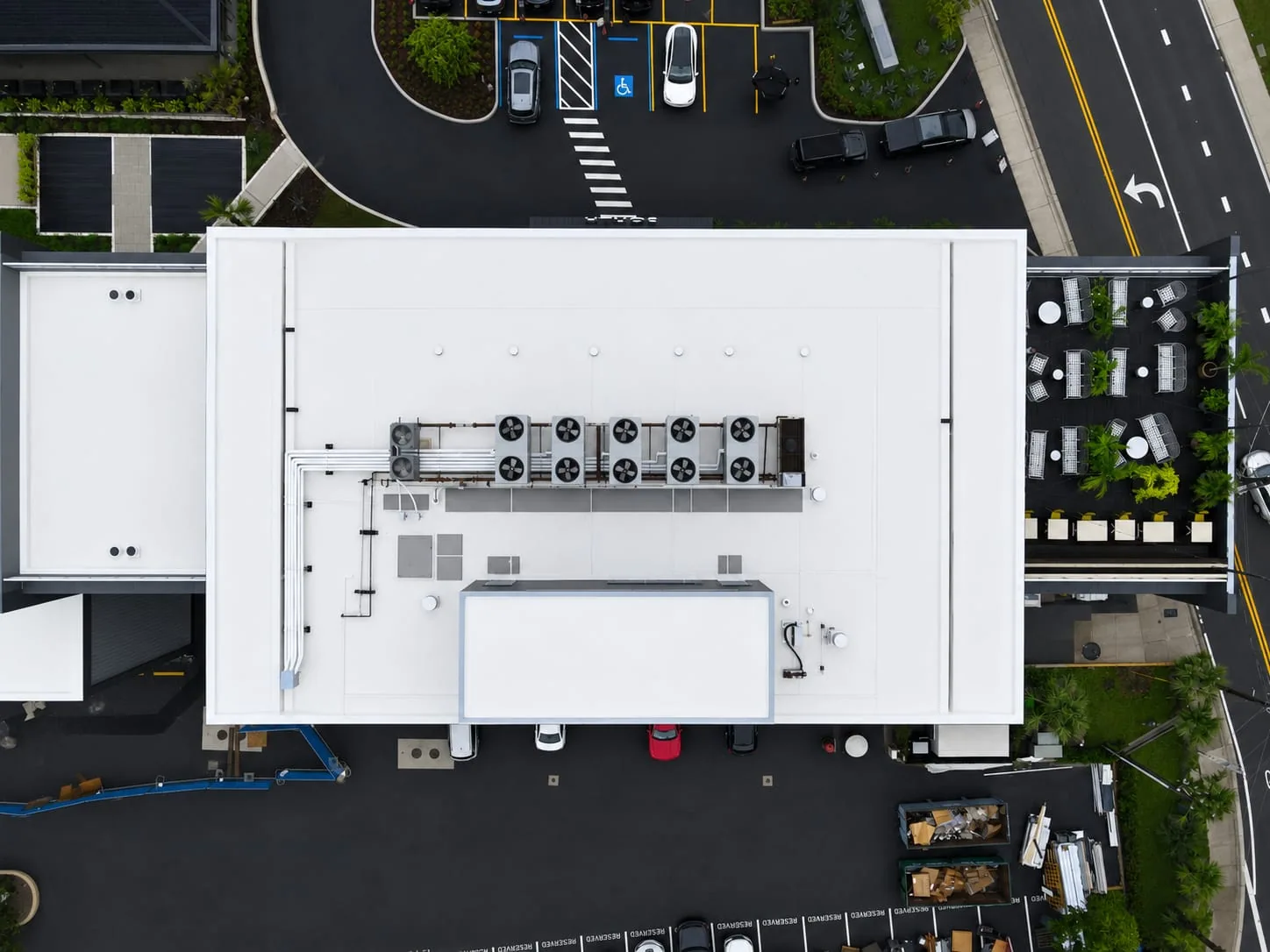
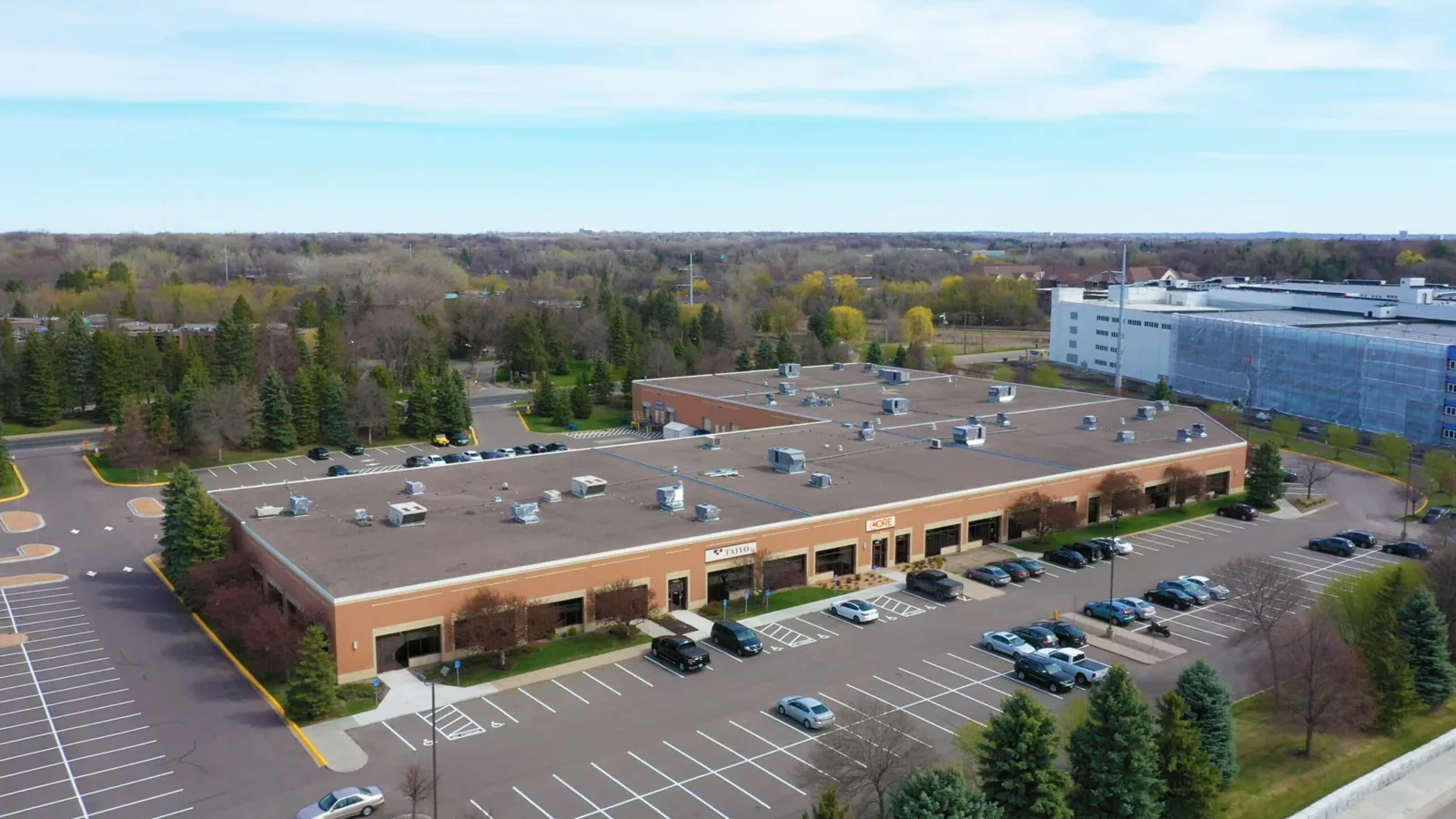
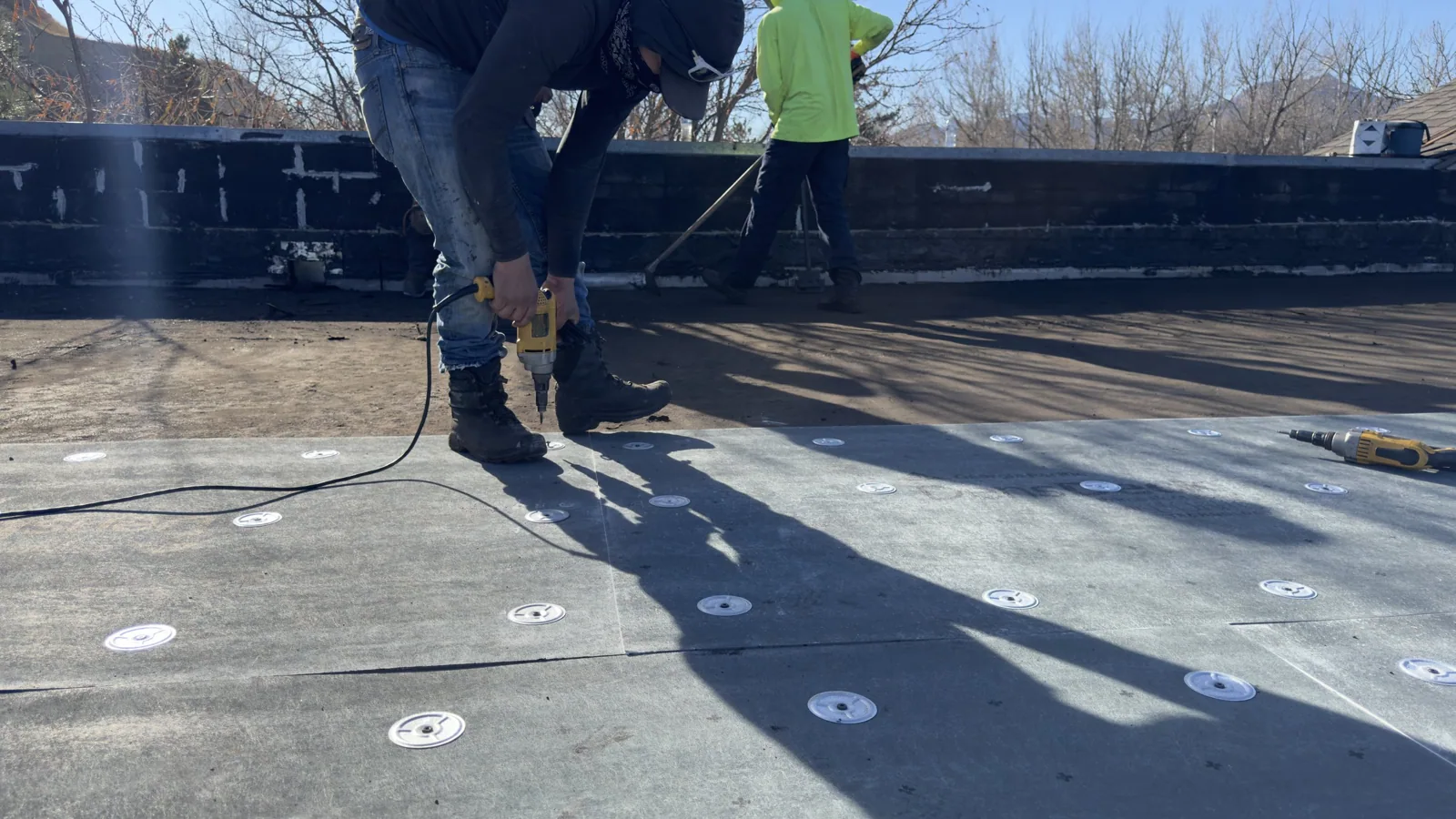

From distribution centers to clinics and schools, we roof the buildings Rochester depends on.
Often, if the separation is limited and adjoining sheet, substrate and attachment can support a compatible tie-in. We inspect the lap length, intersections and material condition, then test where the result could change scope. The report states the repair boundary and identifies any concealed section that still needs access.
The method depends on the installed membrane. A welded sheet is probed along the repair after it cools, while taped or adhered systems require preparation and checks suited to those materials. We photograph the finished detail and note the inspection method. The closeout does not claim a section was checked if it remained inaccessible.
Standing water can keep a roof detail wet and may expose an existing defect, but the inspection must establish the conditions. We map the low area, seam, drain path and interior report, then determine whether the lap is open and whether the water route is related. Drainage correction and seam repair may be separate scope items.
Provide the address, affected interior area, timing, roof plan and system records if available. Note prior patches, equipment work or access limits. We use those details to map the roof section, then document the seam tested, the repair materials and any follow-up needed.