Water is coming into the building right now
Call us and tell us where the water is showing up. We will get a crew on the roof to stop the leak and protect the space below.

Roof Damage Repair
Address commercial heat and UV roof wear in Rochester, MN with verified membrane condition, documented repair limits and compatible restoration options.
Call us and tell us where the water is showing up. We will get a crew on the roof to stop the leak and protect the space below.
We walk the roof, photograph what we find and give you a written scope with repair options before any work starts.
Rochester, MN
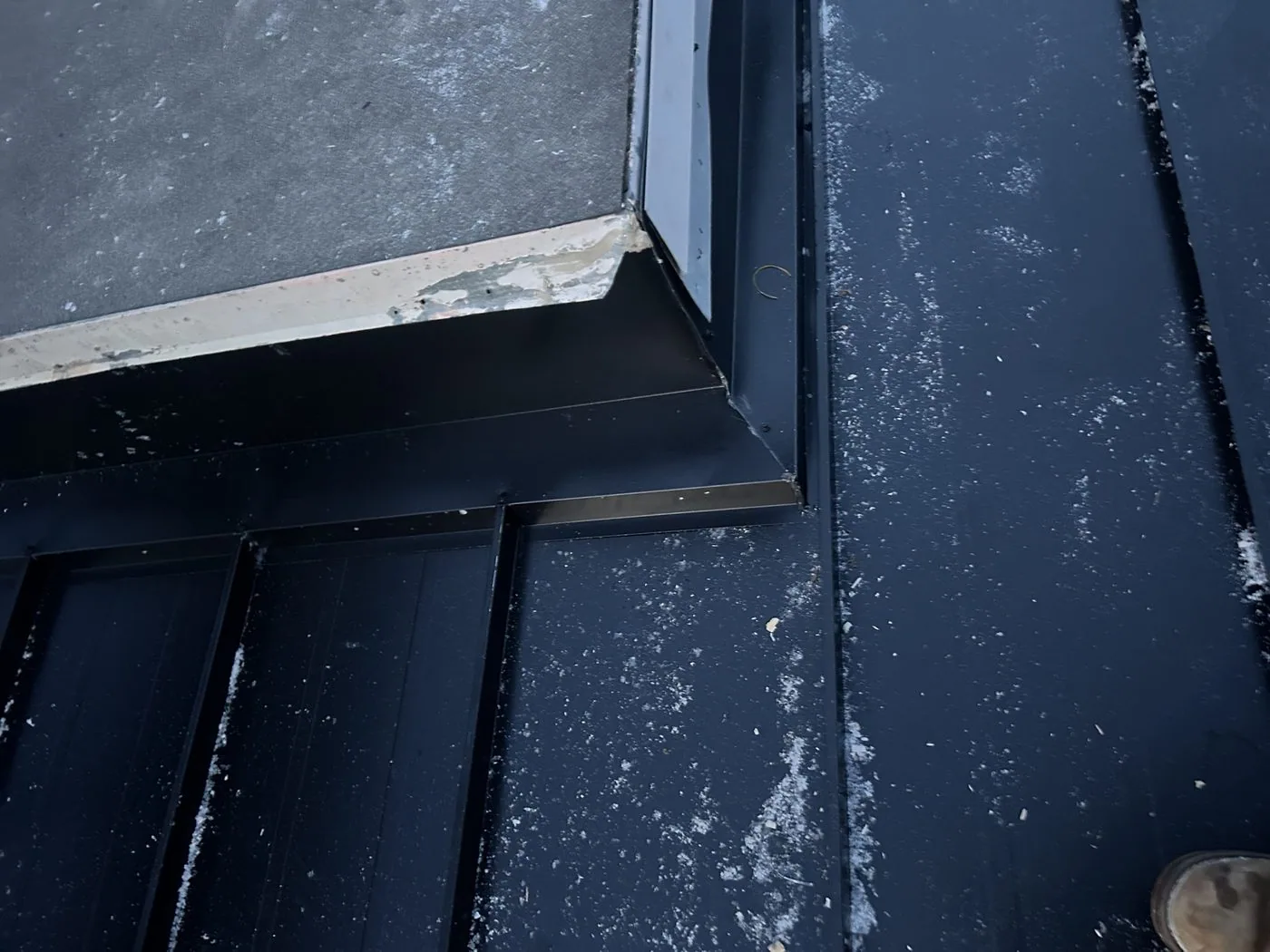
A brittle coating transition at a curb can crack as the metal and membrane move at different rates through sun and temperature change. We inspect the surface, seam, flashing, drainage and prior repair before selecting a treatment. Discoloration alone does not establish material failure; the report needs to identify cracking, loss of adhesion, exposed reinforcement or another functional condition. We mark the affected roof zone so an owner can compare the repair with the rest of the assembly.
NWS hazard records put Rochester's all-time high at 108°F on July 14, 1936. The old weather mark gives regional climate context; it is not a measurement of today's roof surface. At a building near Rochester Technology Campus or Downtown Rochester, the installed membrane, exposure and maintenance history determine what is needed. We use local climate context to plan review, then base the scope on measured and visible conditions at the property.
Share the Rochester address, roof-system information, affected area, photos and maintenance records. We will verify the assembly, map surface conditions and return compatible repair or restoration options with tested limits.
We walk the accessible roof and document chalking, cracking, blisters, open laps, surface erosion, loose coating and areas where reinforcement is visible. Particular attention goes to roof edges, parapets, drains, curbs and metal transitions where movement concentrates. We compare the condition with prior photographs and confirm whether the roof is TPO, PVC, EPDM, bituminous, metal or a coated assembly before proposing a repair. The inspection distinguishes sun-exposed wear from punctures, storm impact and seam separation.
Heat can accelerate movement and drying, while ultraviolet exposure can affect the exposed surface of a roof covering or coating. The actual response depends on the product and roof system. We check adhesion, membrane flexibility, seams and substrate where access permits. A silicone coating condition review applies only to an existing silicone system; an acrylic coating inspection evaluates a different material. We verify the existing assembly rather than recommending a coating based only on surface color or a temperature record.
The Diligence Notes identify the address, roof section, visible symptoms, test points, photographs and surface material when confirmed. If the coating is thin or the membrane has lost reinforcement, we mark the location and extent rather than labeling the entire roof. We note whether the substrate was exposed and whether moisture testing was performed. An inaccessible curb or equipment screen remains an open item, not a cleared detail.
The Rochester Technology Campus review at the former IBM property considers commercial, industrial, warehouse and light-industrial uses. That land-use scenario does not describe any current building's roof or exposure. Downtown Rochester also includes offices, retail, civic and historic uses, each with its own roof record and access needs. A site inspection near Rochester Technology Campus is tied to the named property. A condition report by section can preserve surface observations and the next comparison date.
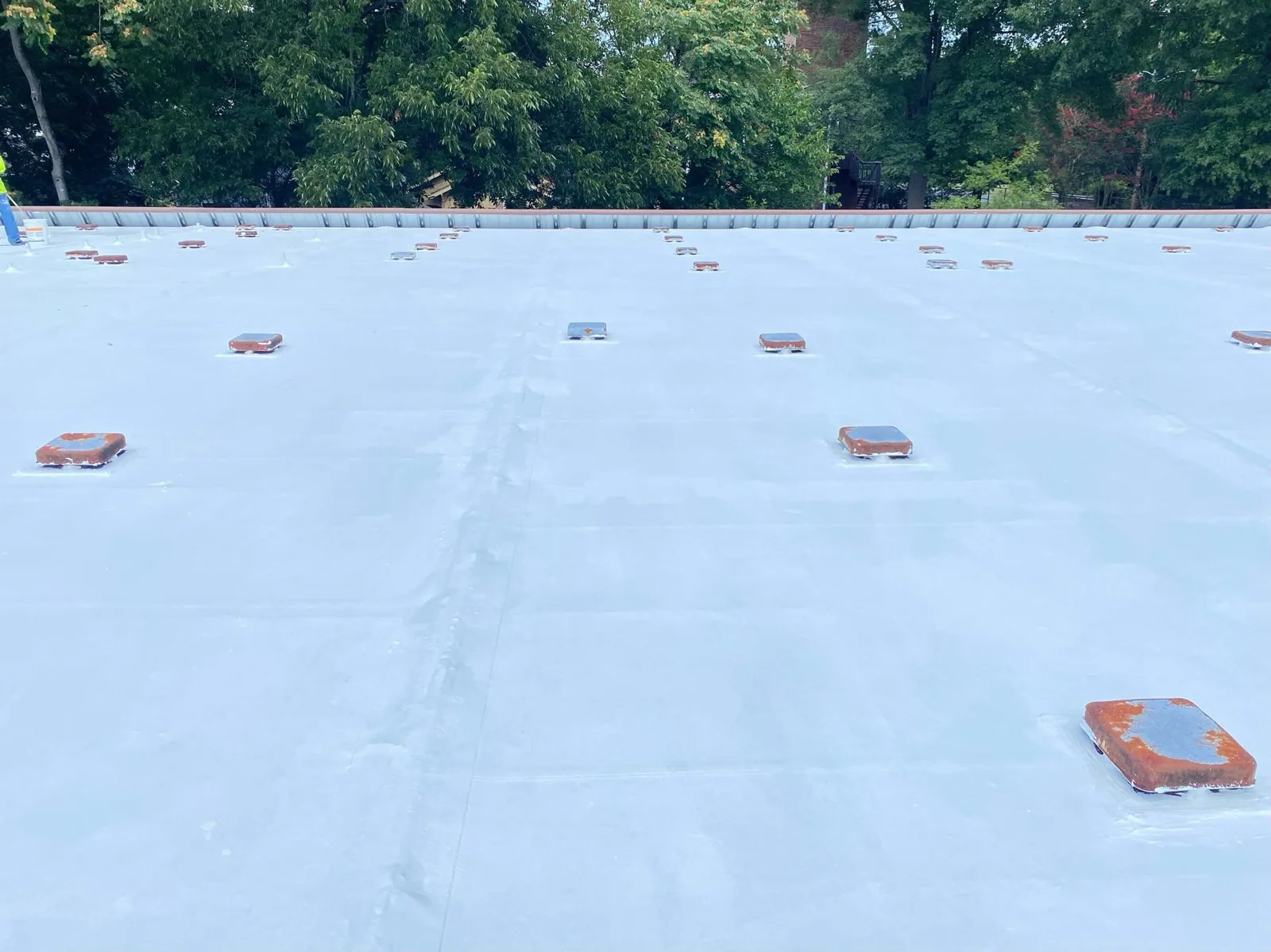
A coating renewal may be considered where the existing system is suitable, dry, bonded and compatible with the restoration material. It does not correct wet insulation, a moving deck, open seams or unstable flashing on its own. If the membrane is brittle, split or broadly detached, selective removal or replacement may be needed. We compare options using test results, surface preparation, reinforcement details, drainage, edge height and tie-in requirements. The report lists the area measured and material assumptions.
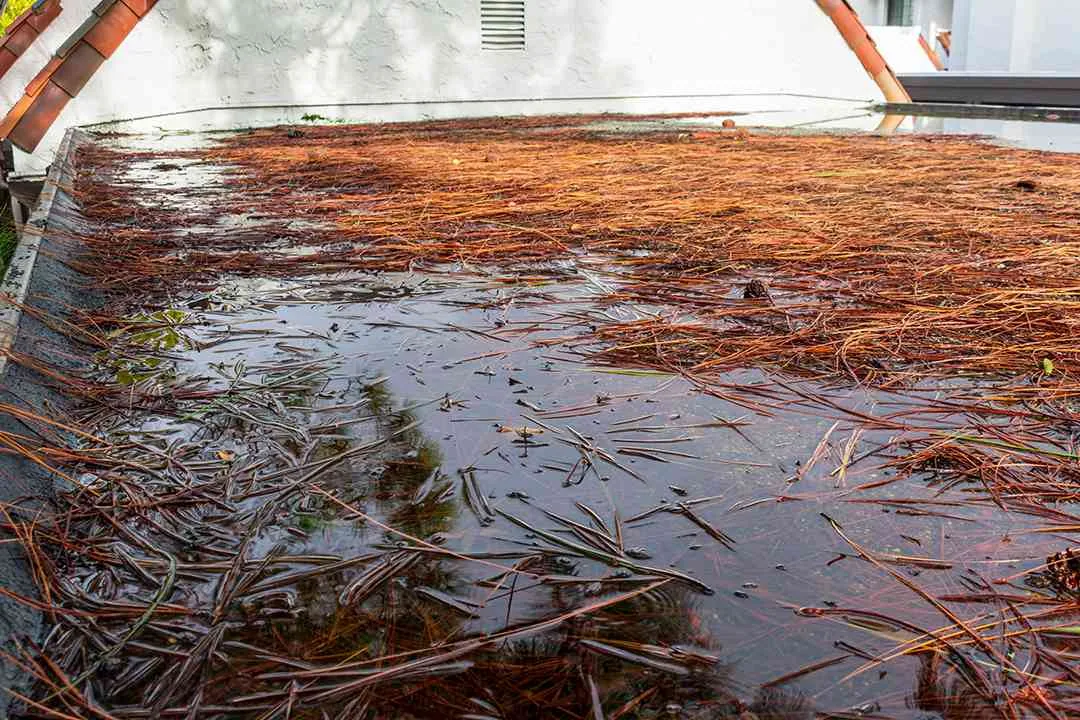
Rochester's industrial plan identifies larger-footprint manufacturing and job-intensive uses, while the city places many office and retail properties near downtown and major roads. Those different settings affect access and operations but do not tell us what roof product was installed. A seam failure inspection can isolate open laps, and a ponding-water evaluation checks whether standing water is contributing to surface wear. We keep each finding separate when the roof shows more than one condition.
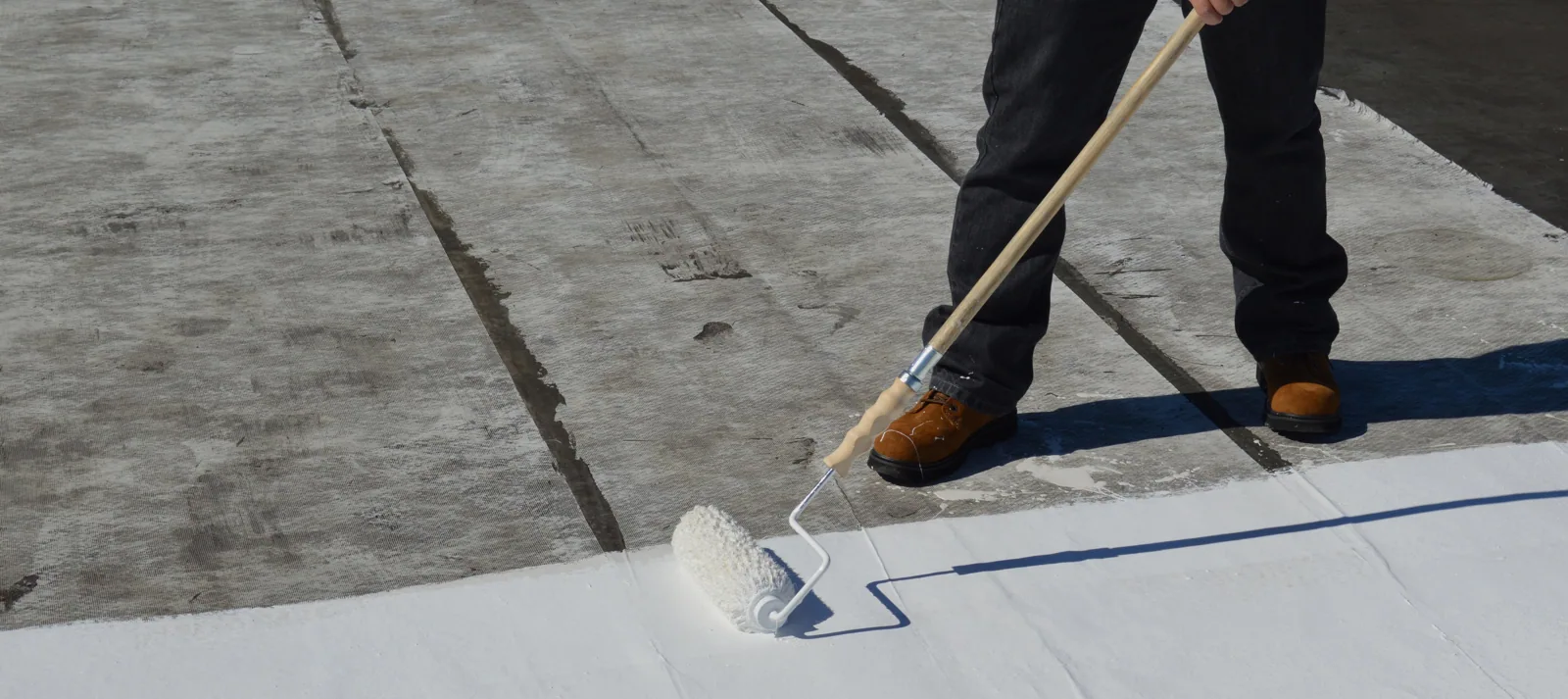
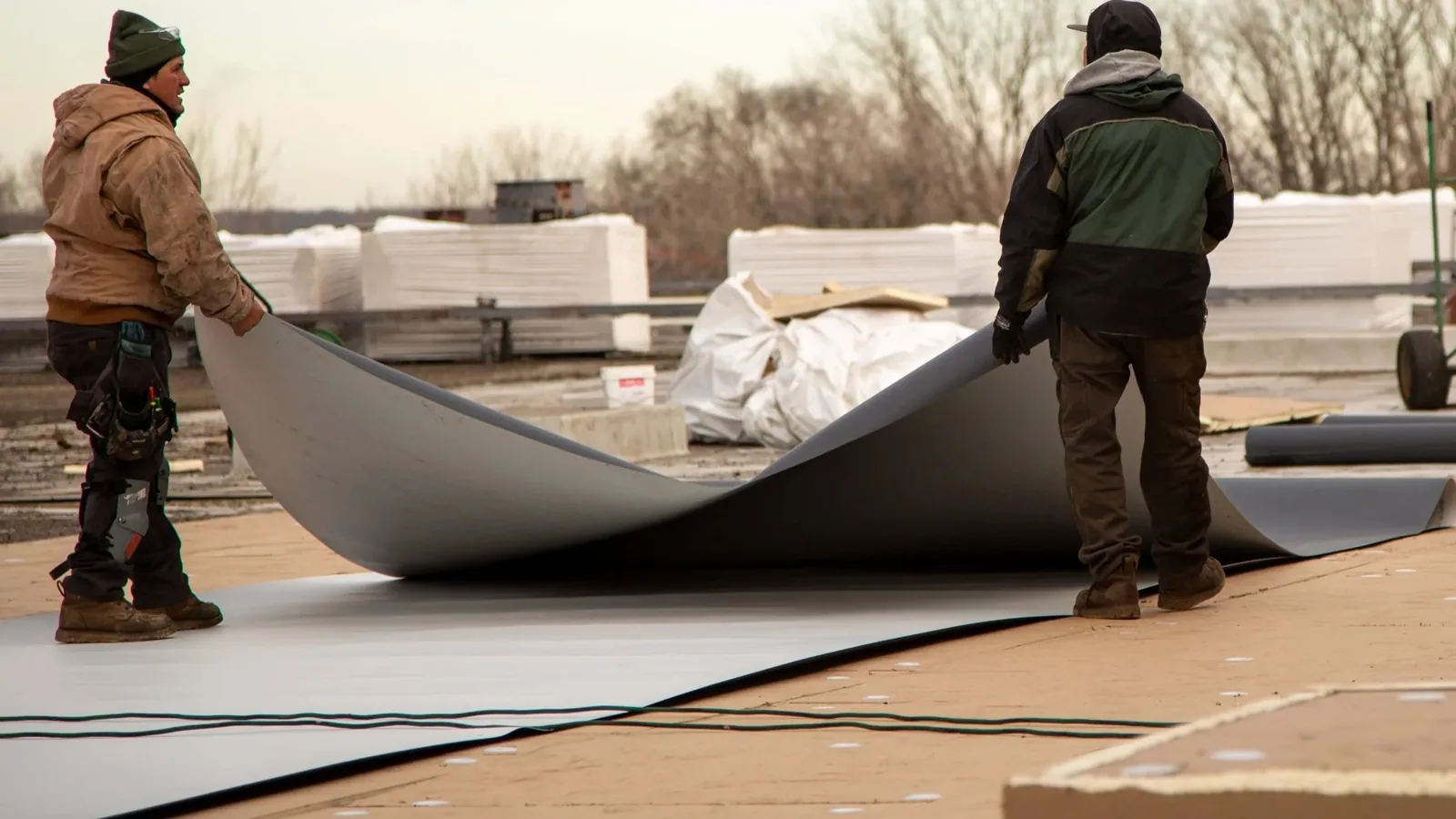
For a localized surface repair, we remove loose material, prepare the substrate and install compatible patching or reinforcement to a sound boundary. A coating project requires defined surface preparation, repairs to seams and flashings, and application conditions appropriate to the selected material. We document the system, repair sequence and application limits, including any area excluded because moisture or adhesion could not be confirmed. The closeout includes photographs of the prepared substrate and finished detail.
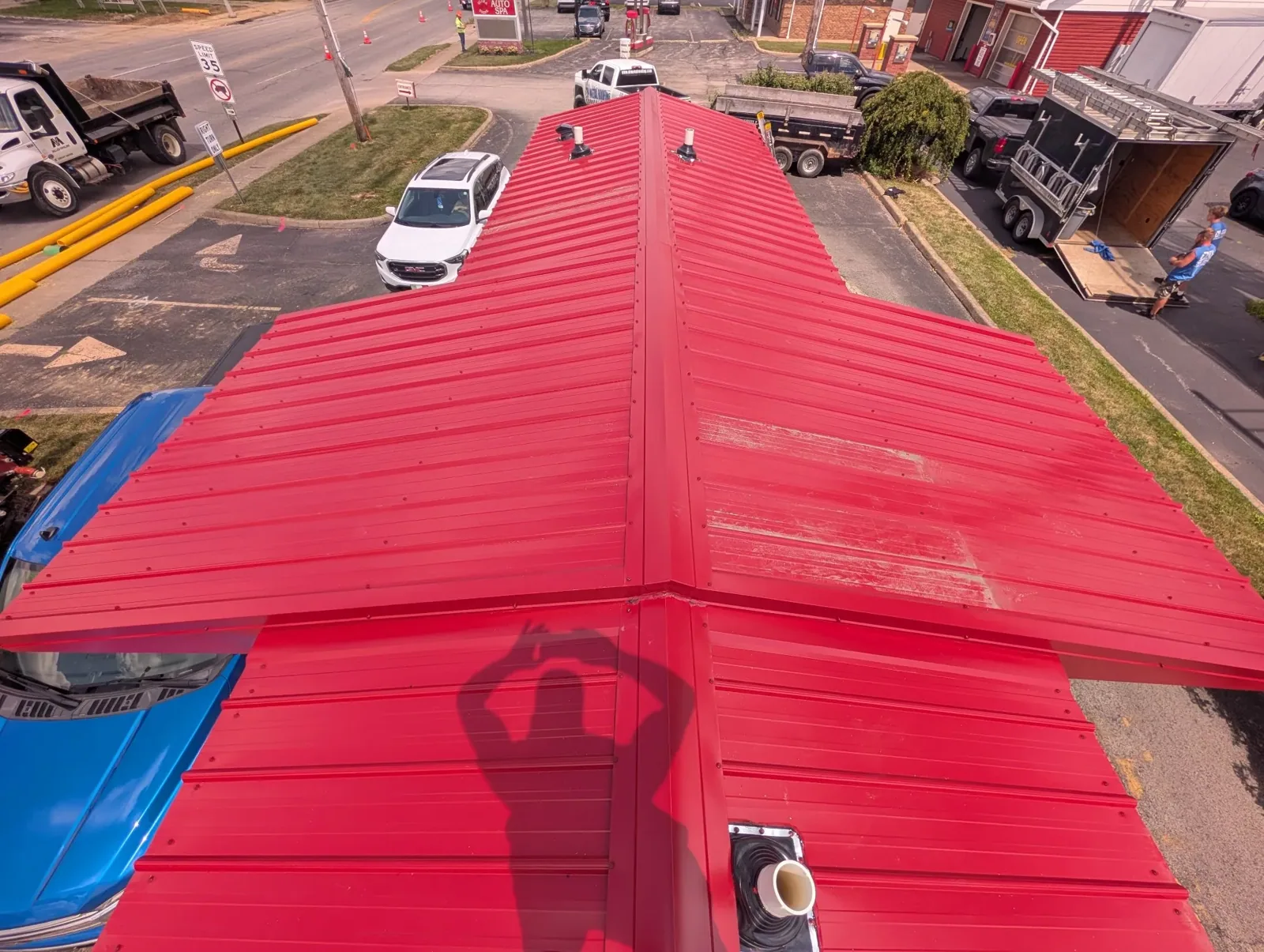
At a metal curb or parapet, the transition must remain secure through movement and drainage. We repair or replace failed flashing and terminations before restoring the adjacent field. A roof coating restoration scope can outline preparation and tested areas, while a replacement proposal can be compared when surface restoration cannot correct underlying failure. We state what each option leaves in place, so the owner can weigh near-term repair against larger work without treating a heat record as a replacement trigger.
Maintenance revisits coated areas, seams, curbs, drains, exposed edges and prior repairs. We photograph recurring cracks or loose material and note whether they have changed since the last date. Rooftop equipment work can damage a surface or disturb a repaired transition, so service paths are reviewed alongside weather exposure. If a test was not possible, that item remains visible for the next visit.
The local record high provides historical climate context, while current surface condition and confirmed roof type determine the maintenance plan. Rochester's temperature history should not be confused with a reading on a particular commercial roof. A scheduled roof review can preserve repair boundaries and open items. Send the address, system information, roof plans and photos of the affected area to schedule an inspection and receive a documented restoration or repair recommendation.
Other services, systems and buildings that often come up alongside this work in Rochester.
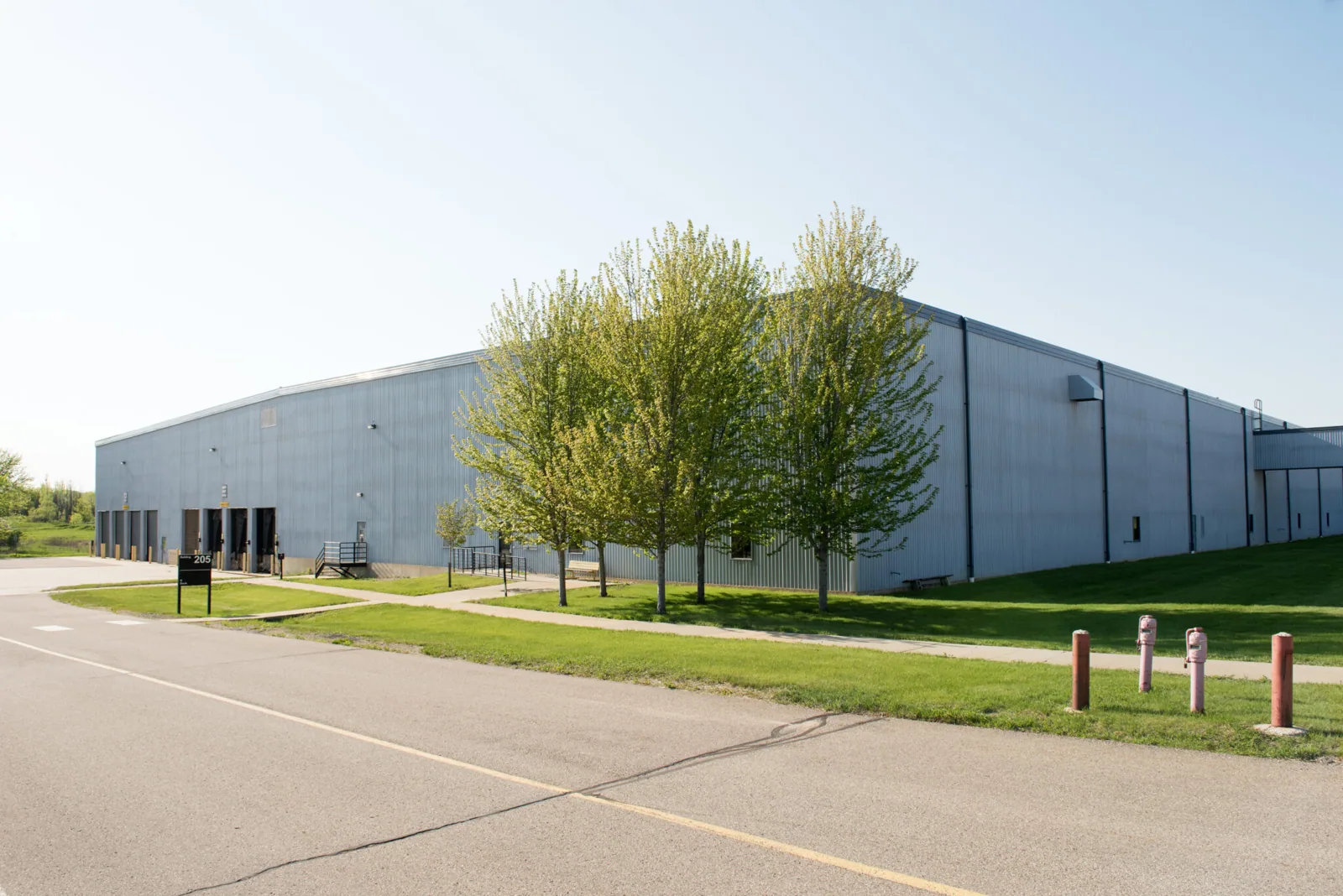

From distribution centers to clinics and schools, we roof the buildings Rochester depends on.
No. Color and chalking are observations, but they do not alone establish loss of function. We inspect the material, seams, adhesion, reinforcement, flashing and substrate, then document whether a test is needed. The recommendation identifies a surface issue separately from concealed moisture or assembly failure.
Only if the existing roof is suitable for that restoration system. We check membrane condition, adhesion, moisture, seams, drainage and transitions before selecting material. A coating cannot stabilize a moving deck or replace wet insulation. The report states preparation, repair boundaries and any conditions that make coating unsuitable.
No. The 108-degree Fahrenheit record occurred in 1936 and is climate context, not a current roof measurement or condition assessment. We inspect the property's actual system, exposure and repair history. Findings and testing determine whether maintenance, surface restoration or replacement should be considered.
Keep dated photos from repeatable roof sections, note the system and material used, and log cracks, open laps, surface loss and repair dates. We can add inspection boundaries and tests to a condition report. Comparing those records shows change without assuming every exposed section ages identically.