Water is coming into the building right now
Call us and tell us where the water is showing up. We will get a crew on the roof to stop the leak and protect the space below.

Service Areas
Roof inspection at Valley High Business Center North in Rochester, with building-specific measurements, drainage review, and documented repair limits.
Call us and tell us where the water is showing up. We will get a crew on the roof to stop the leak and protect the space below.
We walk the roof, photograph what we find and give you a written scope with repair options before any work starts.
Rochester, MN
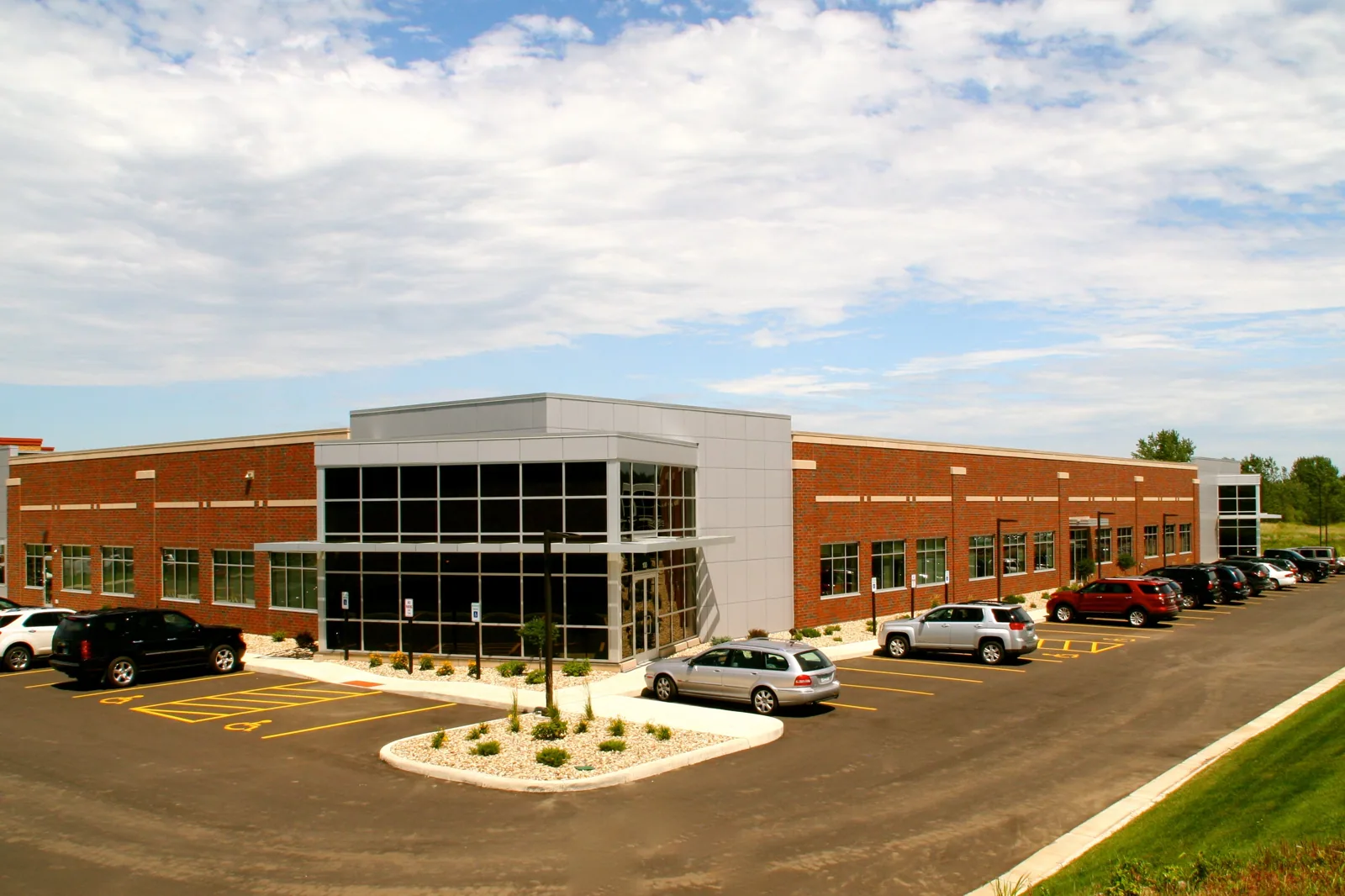
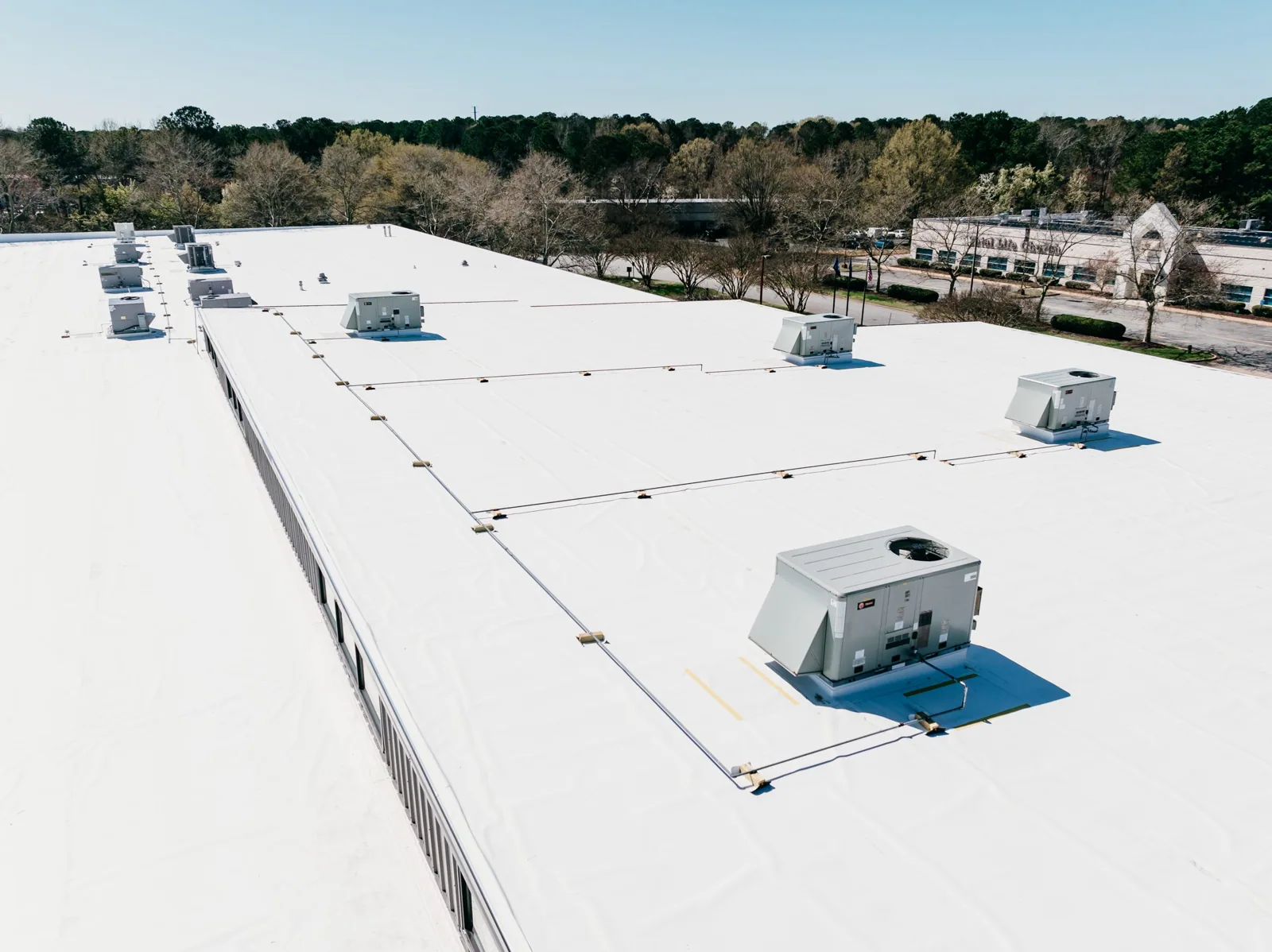
North is the 21,603-square-foot Valley High building near 40th Avenue and 41st Street NW, according to the campus records. The adjacent South center and 40th Avenue Warehouse are separate assets with their own roof quantities. We verify the North building’s plan, assembly and service route directly before measuring any repair.
The North facility has its own address, access contact and photographic record in the Mayo Support Campus portfolio even when campus staff coordinate multiple visits. For comparisons with South or the 40th Avenue Warehouse, we retain separate section maps and service histories so a repair finding cannot migrate from one building to another.
Share the Valley High North address, roof issue, system records and access contact. We will examine the agreed sections and return documented next steps.
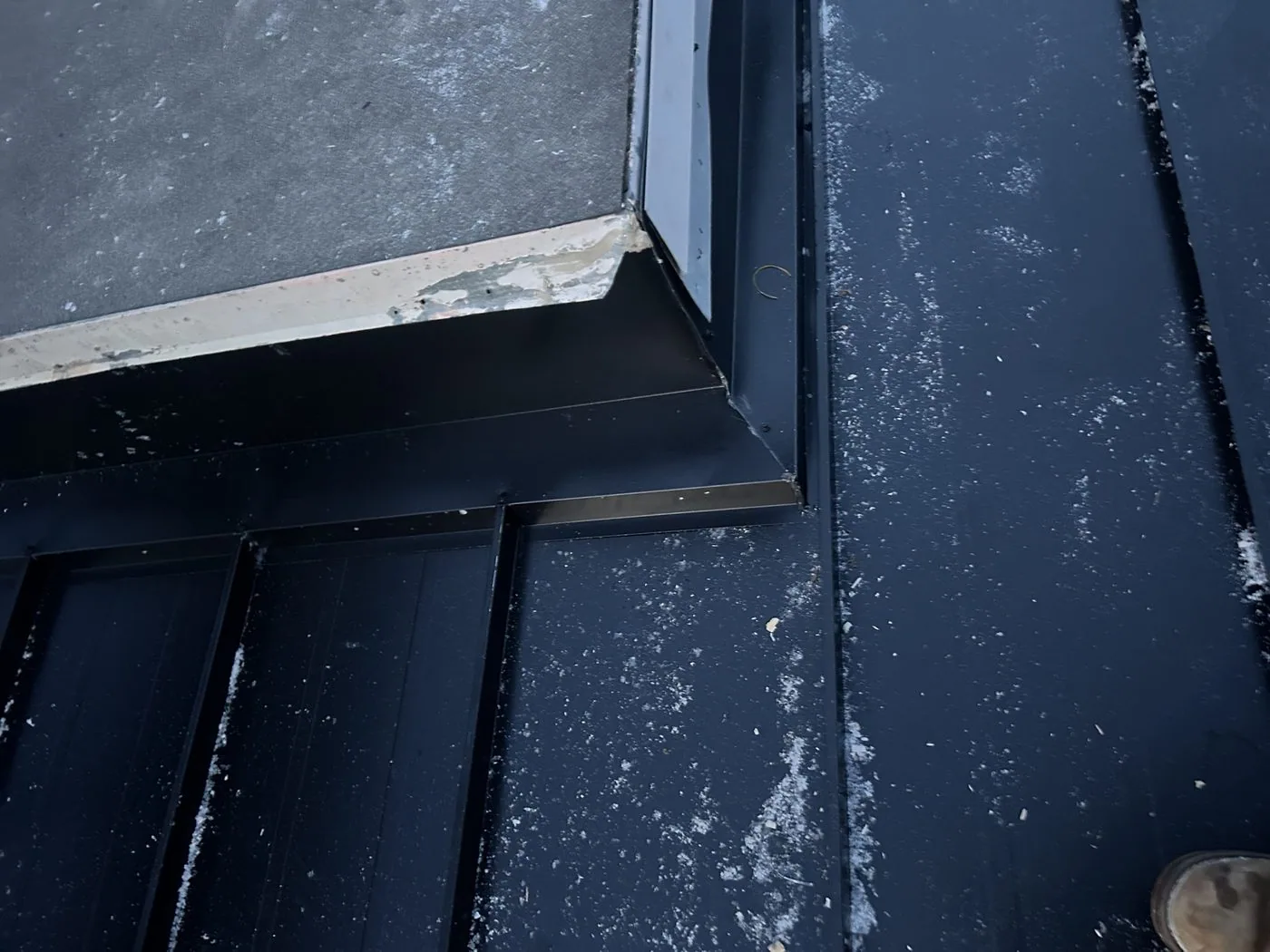
We begin with the reported room, drain or equipment detail and mark the corresponding roof section. A first walk checks the membrane surface, seam laps, parapets, penetrations, metal transitions and visible drainage paths. We photograph a curb in context as well as close up, since a split at its base and a loose counterflashing can require different work. A written inspection returns the asset label, observation, access limit and recommended next action.
The property contact confirms Valley High North's operating schedule and access rules. We confirm escort needs, hatch access, staging area, lift limits and work windows before bringing materials onto the roof. If a drawing names several buildings, we reconcile it with the structure on site so measurements do not drift to the wrong parcel. Any locked or obscured section remains on the report as not inspected.
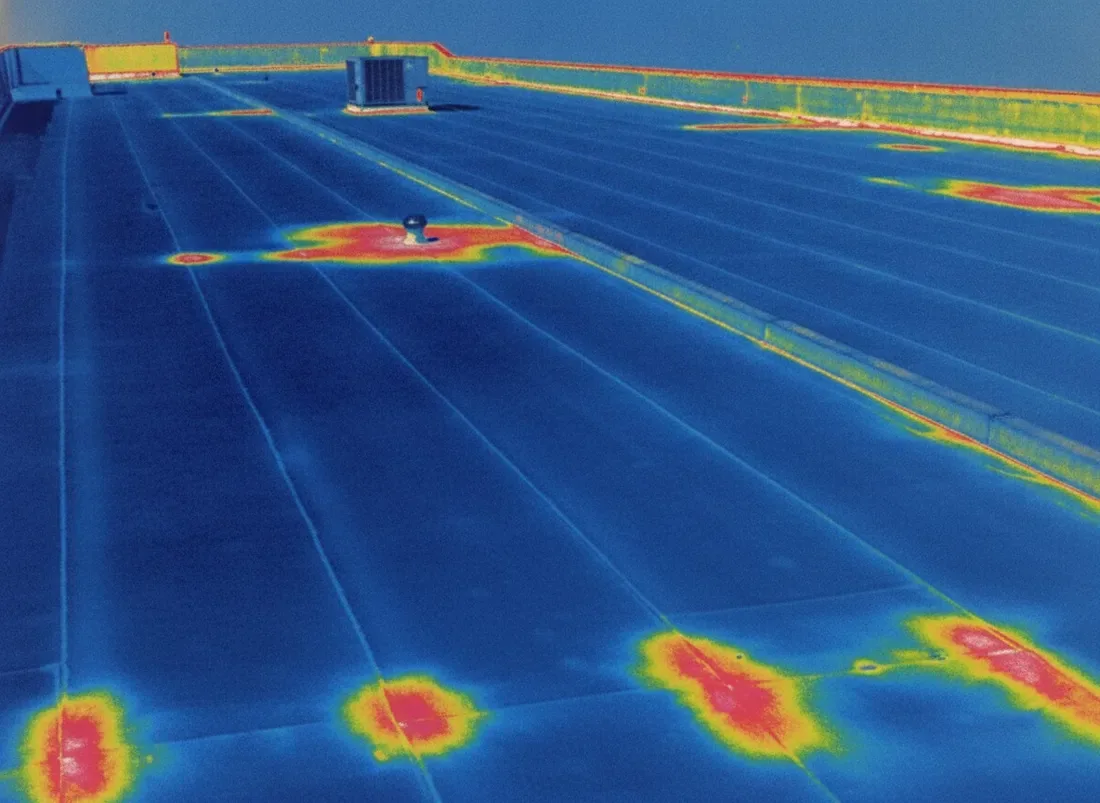
A leak can follow insulation or a deck joint before reaching the ceiling. We trace the likely route from the reported symptom, then inspect nearby seams, drain sumps, wall flashings and curb corners. Where the moisture boundary remains unclear, an infrared survey can help select a test area. We state what that survey can answer and whether an opening is needed before the owner authorizes removal of concealed material. Infrared readings can show temperature differences beneath a membrane, but roof condition and recent sun affect interpretation. We compare the pattern with seams, drains and interior evidence, then recommend an opening only where it could change the repair boundary.
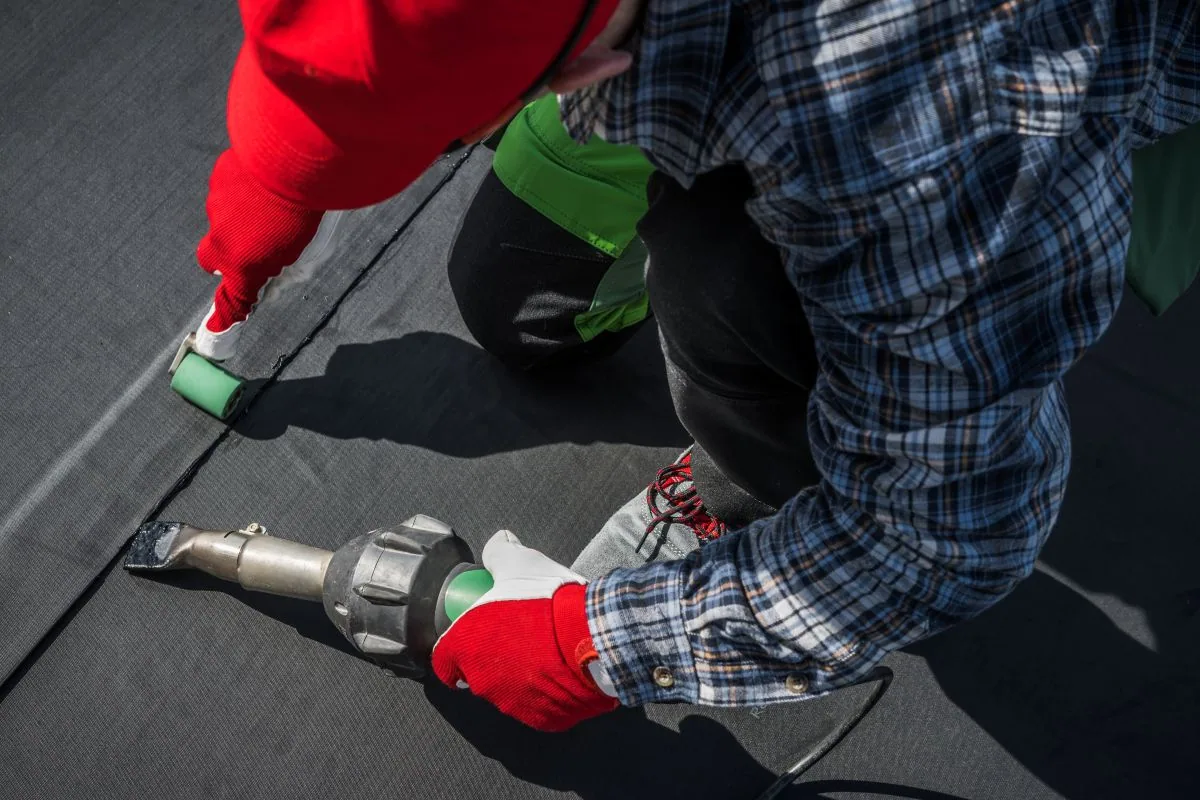
Once the roof system is identified, we test the selected repair method on a suitable section and set a boundary at sound sheet. TPO and EPDM require different preparation; the fastener pattern and existing flashing also matter. A EPDM repair review can address the assembly when that membrane is confirmed. A damp layer or separated seam outside the first visible spot is measured as an added area, not folded into the original limit without approval.
Before work begins, we confirm where materials can sit, how the crew reaches the roof and which doors or service routes must remain open. The scope states the area to be prepared, the repair materials and the expected dry closure for the shift. If the crew finds substrate damage or wet insulation, it is photographed and the work pauses at the agreed boundary. That gives the owner a decision point before a local repair becomes a wider assembly replacement.
Rochester’s climate record sets the seasonal snow benchmark at 46.3 inches. At Valley High North, a pre-winter visit records the condition and accessibility of each drain, overflow route and edge detail; anything the crew cannot verify remains an open item for the next safe visit.
A single open lap with stable membrane on each side may support a focused repair. Several wet areas, repeated leaks or edge movement can change the decision toward testing, recovery or replacement. We list confirmed material, measured dimensions, access assumptions and untested sections. A condition report helps the owner see the evidence behind each option and the question a future test would answer.
The support-campus directory treats Valley High North and South as separate building entries, alongside warehouses and technology facilities. The nearby Golden Hill Industrial Park is a different property setting; we retain distinct roof files and compare each address only against its own inspection and service history.
We return photos with section labels, the material identified where possible, work completed and any condition still awaiting access or owner approval. The record marks temporary protection separately from permanent repair and notes if an authorized opening remains outstanding. If an area could not be reached safely, it is listed for follow-up rather than counted as sound. The facilities contact can then connect the report to Valley High North's maintenance file.
Send the building address, roof concern, plans or system records, and the contact who coordinates access. We will define the section to inspect and return a repair or testing scope with its limit stated. Emergency roof response is available overnight, on weekends and holidays. Where immediate protection is necessary, we document that visit and identify the permanent correction as a separate next step.
Other services, systems and buildings that often come up alongside this work in Rochester.
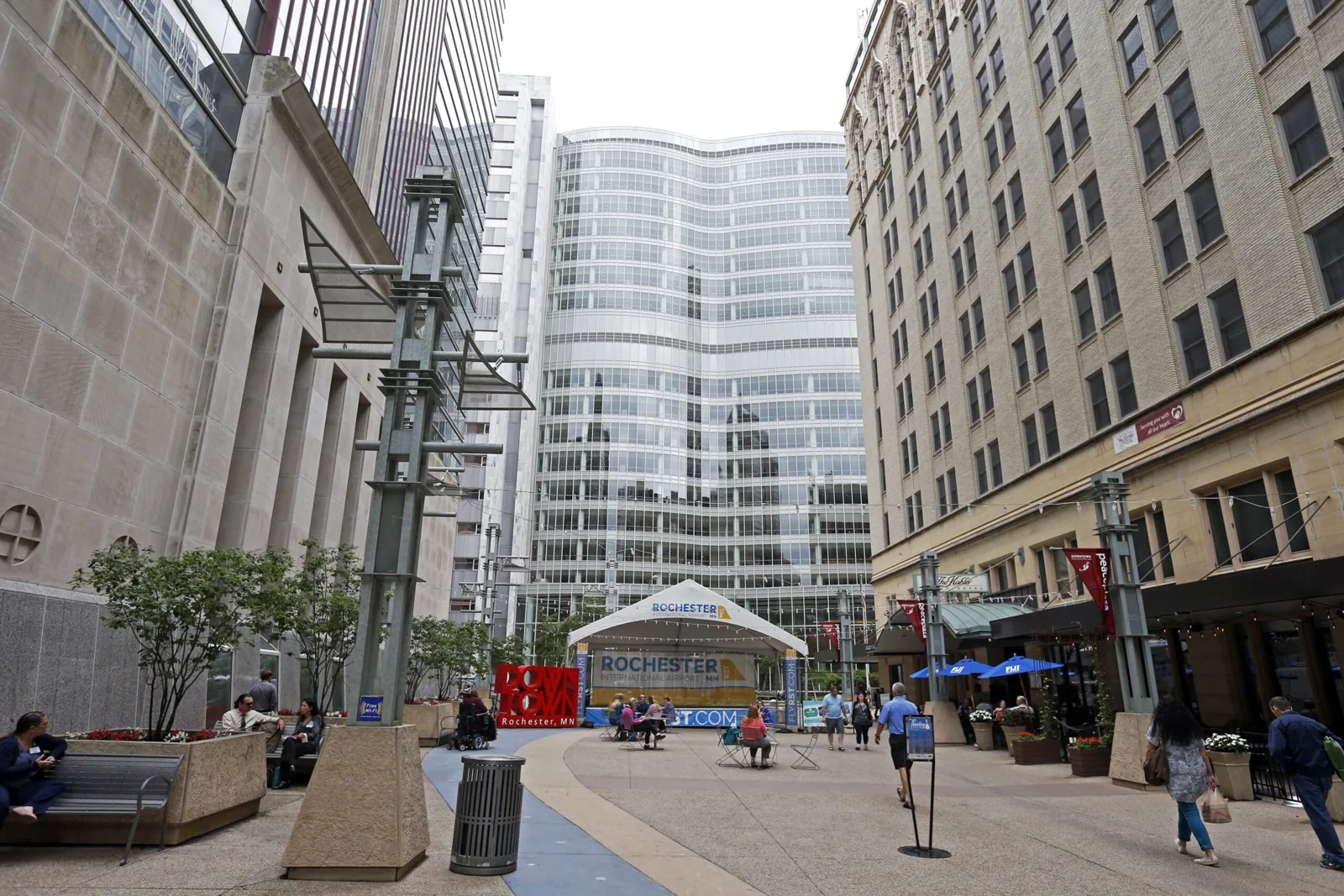
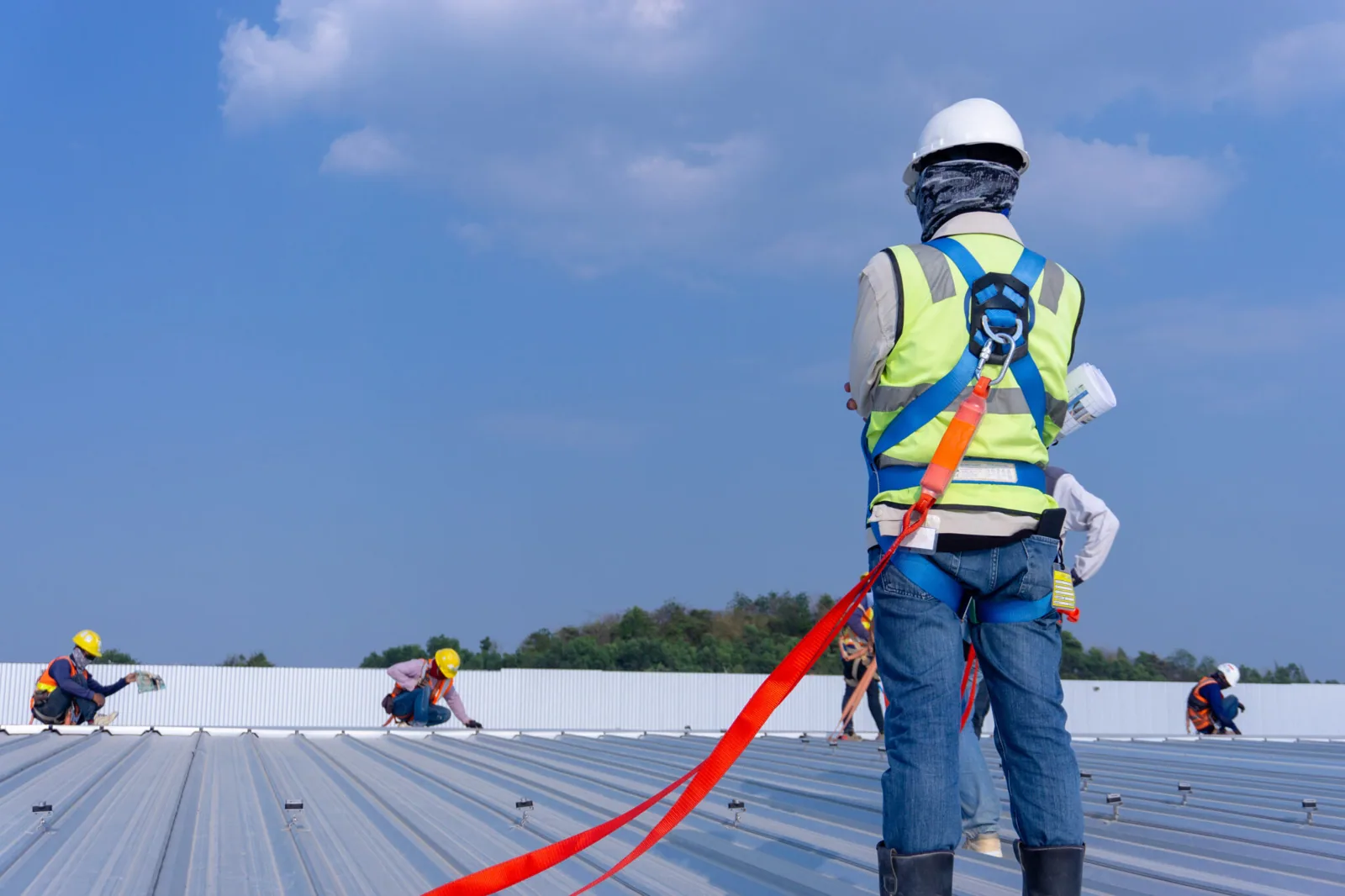

From distribution centers to clinics and schools, we roof the buildings Rochester depends on.
The inventory figure is a building area, not a measured roof surface. We use roof plans or field dimensions to establish work quantities and label each section. A repair area is confirmed around the defect, with any larger quantity tied to a separate measurement or approved test.
A single visit can include both when access is approved, but findings remain separate by building. We label each roof zone, photograph the condition and maintain its own repair boundary. Similar names or campus proximity do not establish matching membranes, leak paths or maintenance needs.
We inspect the bowl, sump, overflow, nearby seams and the membrane-to-drain connection. If flow is blocked, debris work may be enough; a loose flange, low area or wet insulation changes the scope. The report states which condition was observed and whether testing is still needed.
Provide the building address, roof plan, reported symptom and access contact. Include escort rules, work hours or staging limits that affect entry. We use those details to tie photographs and repair notes to the correct building and identify any area that needs a return appointment.