Water is coming into the building right now
Call us and tell us where the water is showing up. We will get a crew on the roof to stop the leak and protect the space below.

Roofing Capabilities
Manage commercial roof work across Rochester, MN properties with shared records, site-specific scopes, portfolio priorities, and clear follow-through.
Call us and tell us where the water is showing up. We will get a crew on the roof to stop the leak and protect the space below.
We walk the roof, photograph what we find and give you a written scope with repair options before any work starts.
Rochester, MN
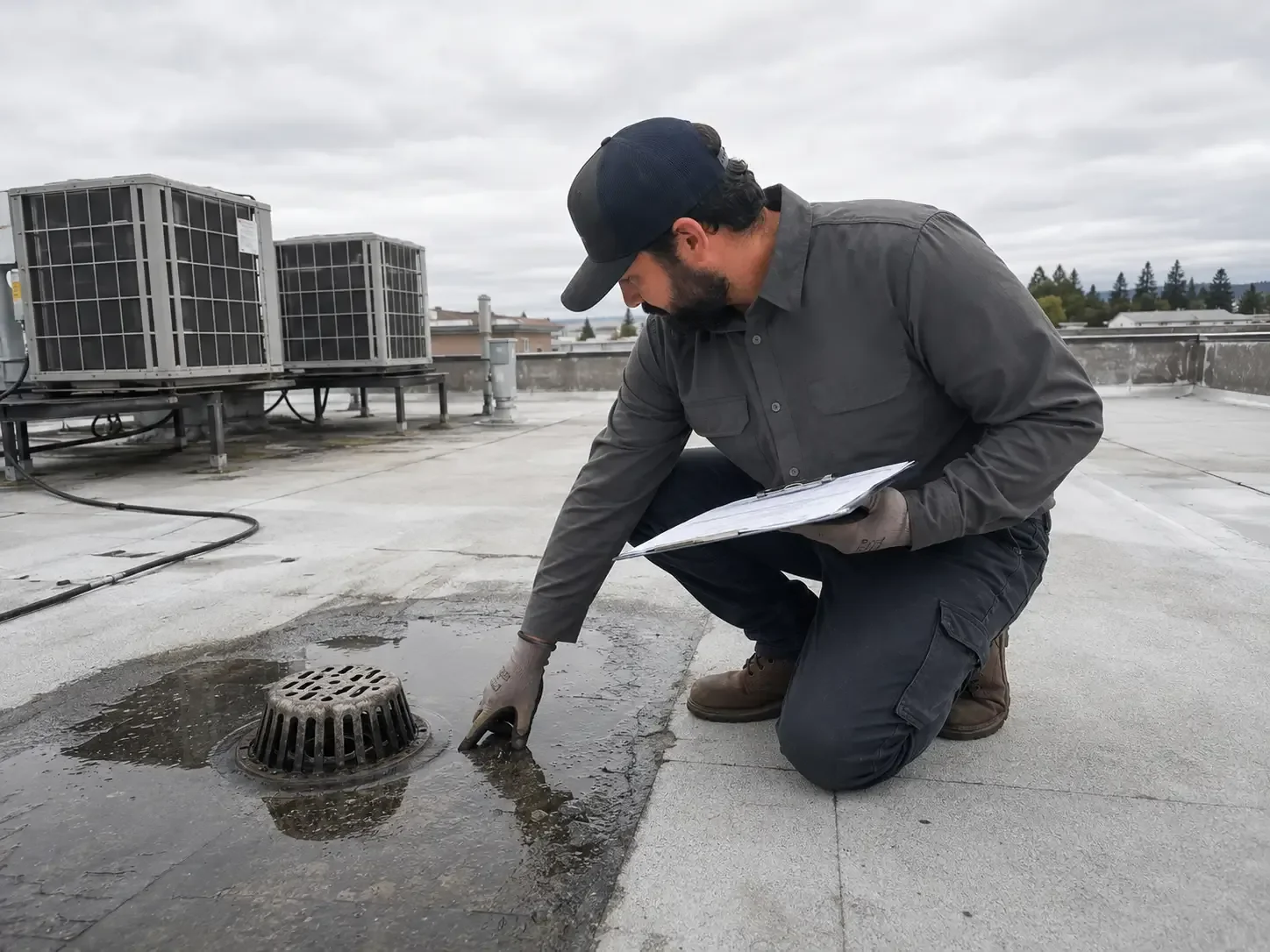
A drain bowl photographed at one building cannot stand in for the next address in a portfolio. We set up a multi-site roof program with a property register, roof-section labels, inspection dates and a repeatable closeout record, then keep each finding attached to the site where it was observed. In Rochester, MN, that distinction matters when a portfolio includes different buildings, systems, access conditions and operating schedules.
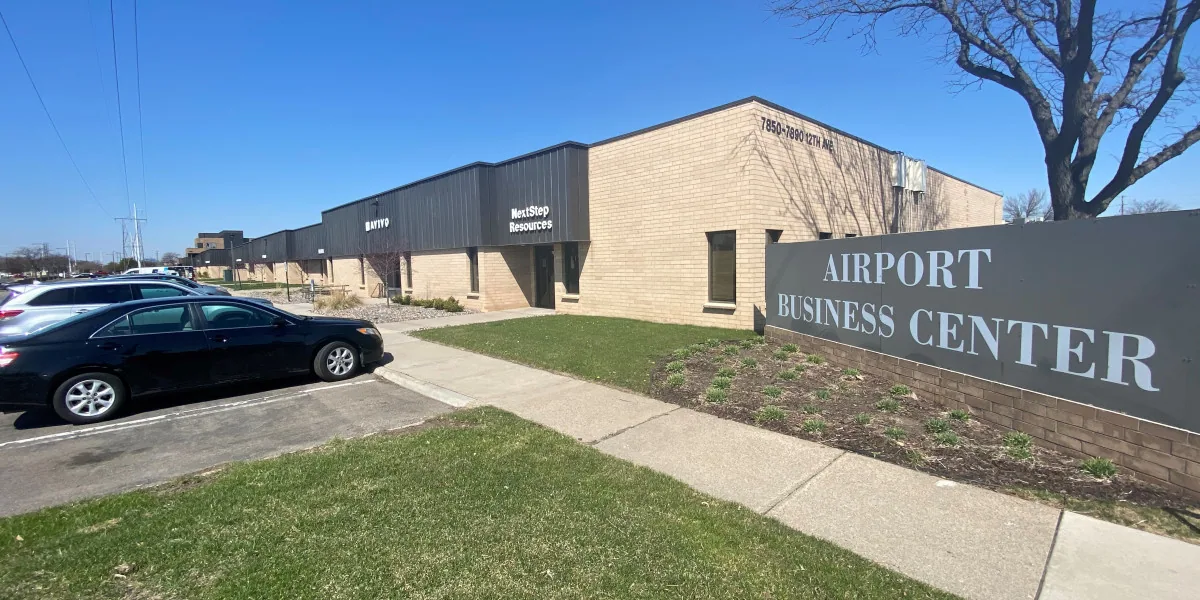
The Airport Business Park sits on the Rochester International Airport campus, while the City has reviewed mixed-use redevelopment scenarios at the former IBM property known as Rochester Technology Campus. These locations describe distinct settings, not a shared roof condition. We establish the property list first, confirm the right contact for each site, and build a work sequence that reflects verified roof needs rather than assuming one portfolio-wide repair.
Send the Rochester-area addresses, available roof plans, current concerns, access contacts and portfolio timing. We will set a baseline record and recommend a practical first inspection sequence.
We collect each address, building name, roof areas, known membrane or metal system, access contact, operating hours, prior repair history and available plans. Where the records are incomplete, the register marks the gap for field confirmation. A roof asset record keeps building-level details together, while a dated condition report captures what changed at a specific inspection. The roof section, portfolio date and photograph label should reconcile without guesswork.
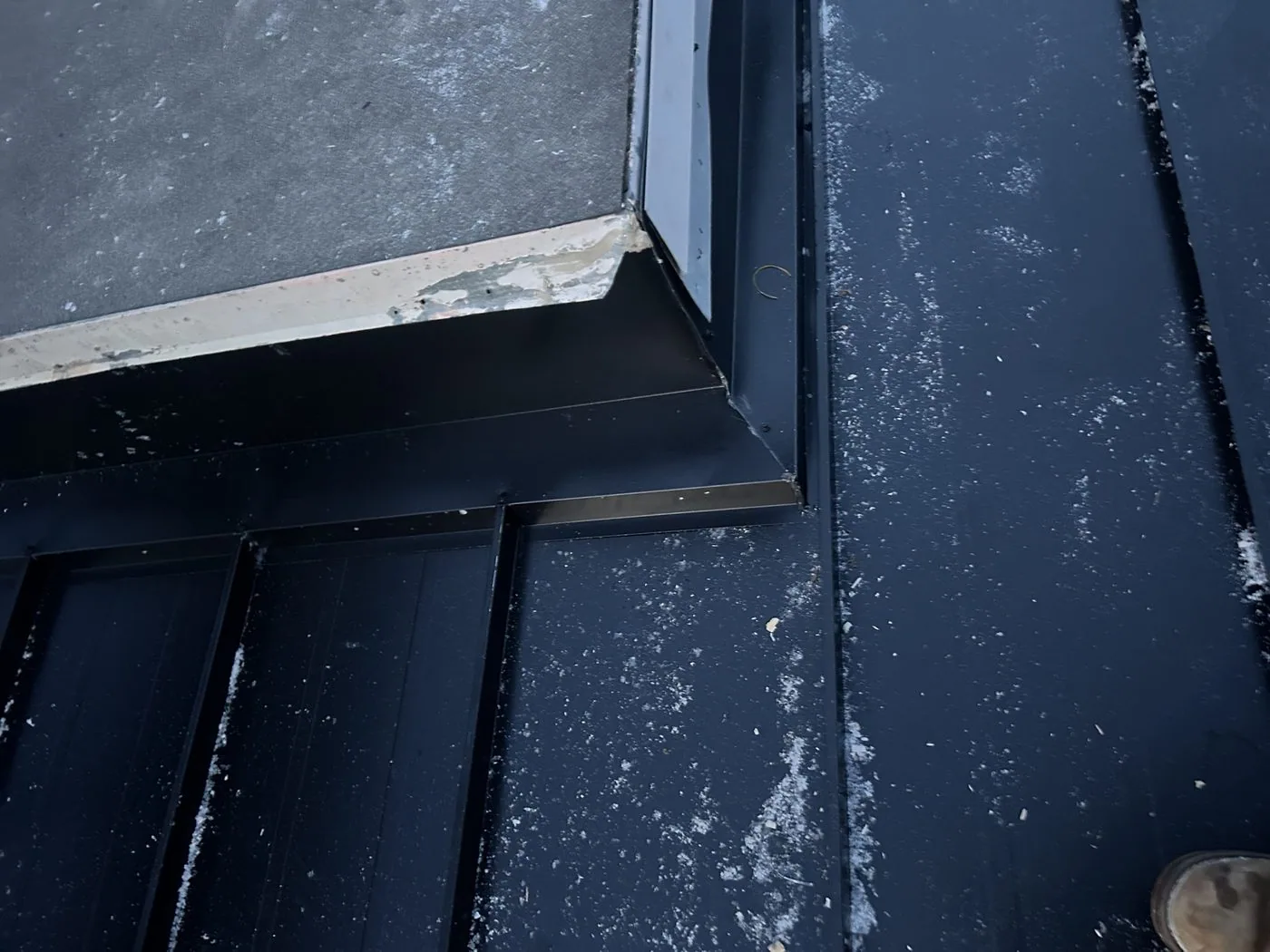
Shared standards make comparisons useful, but each building still gets its own findings. We use common terms for open seams, drain conditions, flashing, ponding evidence, metal transitions and repair boundaries. A local crew or property contact can see what was observed, the area affected and what should happen next. If a system differs from the register, we update the confirmed detail and preserve the earlier record rather than silently overwriting the history.
Inspection order can follow a known leak, a pending capital decision, an access window or a seasonal exposure. We group nearby visits when that reduces travel and setup, while protecting time for occupied facilities that require escorts or coordinated shutdowns. A maintenance visit can include drain-bowl clearing, debris removal where authorized, visible seam checks and photographs of recurring repair areas. Tasks outside the agreed scope remain listed for owner direction.
Rochester’s 1991-2020 normal seasonal snowfall is 46.3 inches, with the normal concentrated from December through March. We can use that calendar to plan pre-winter checks of drainage paths and edges across the portfolio, while recording the actual condition at each address. Snow conditions, access, roof loading limits and weather determine what can be inspected on a given day. A seasonal route is a scheduling aid, not a substitute for a roof-specific assessment.
Portfolio reporting can compare urgency, affected area, likely trade sequence, access needs and whether a test could change scope. A small opening over a critical occupied room may need quicker attention than a larger cosmetic condition elsewhere; the reason for priority belongs beside the recommendation. We separate active water entry, developing detail failures, maintenance items and longer capital questions so the owner can assign each to the right budget and schedule.
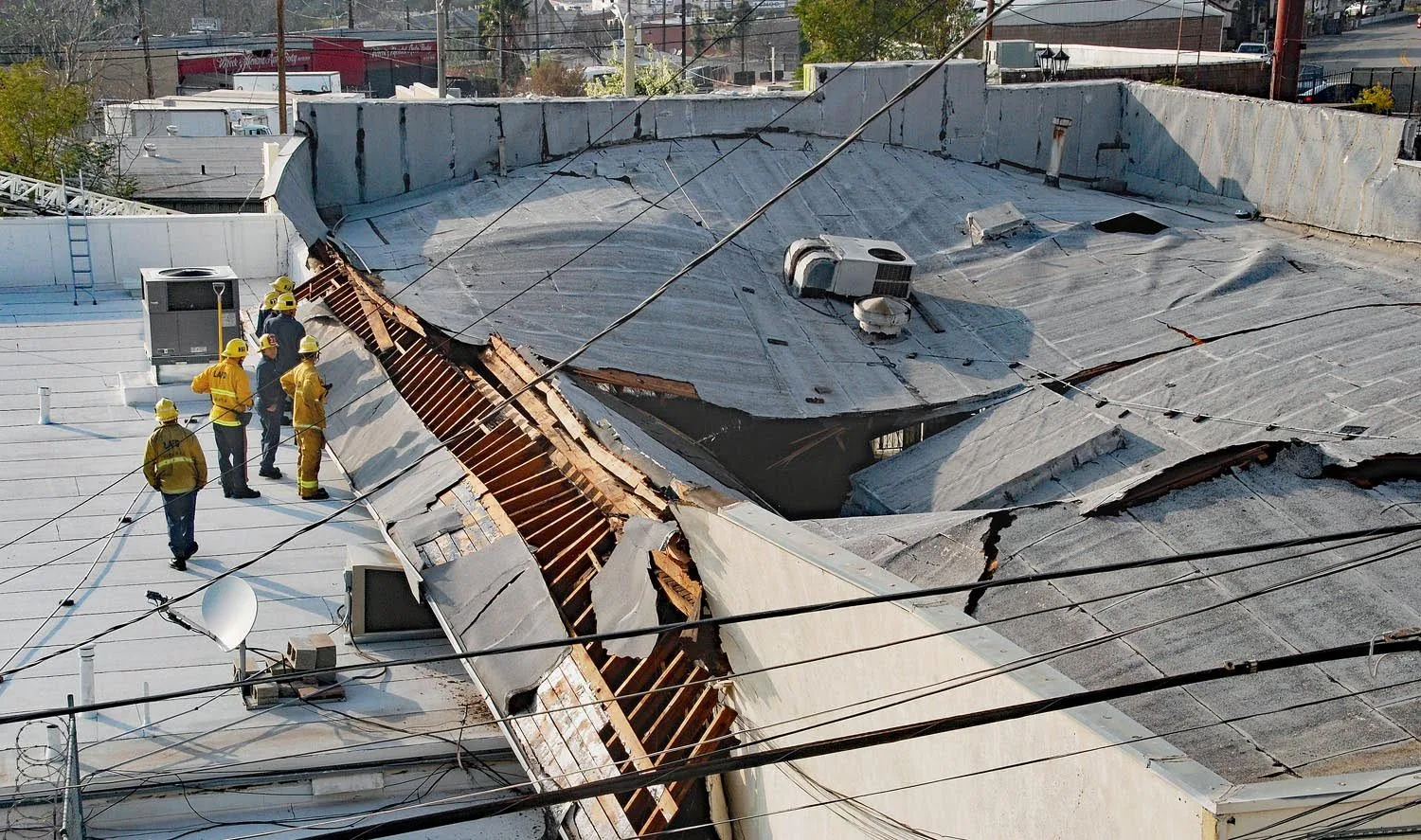
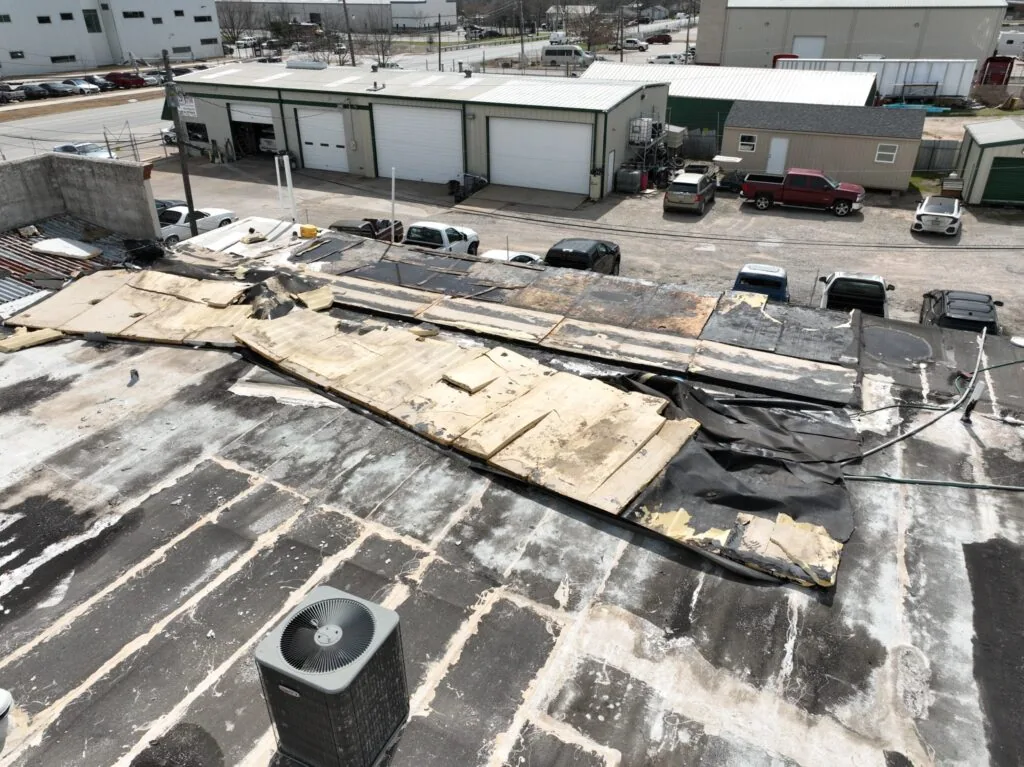
A National Weather Service report for April 17, 2026 places 1.5-inch hail in northwest Rochester; the same event account locates an EF-2 tornado near Stewartville, elsewhere in Olmsted County. Those reports apply to separate locations. When a portfolio review follows regional weather, we inspect addresses and roof sections based on their actual exposure and observed evidence; we do not transfer a storm finding from one place to another. A wind-damage review or hail assessment records the affected property independently.
A portfolio work order should name the building, roof area, condition, material, access assumptions and approved boundary. We keep emergency stabilization, permanent repair and proposed investigation distinct. If a repair needs an opening, the record includes the location, discovered layers, material sequence and closure detail. Photographs before and after work stay with the address and visit date, so a later inspector can tell which roof section received attention and whether the same condition returned.
For occupied buildings, we coordinate staging, tenant notifications, loading and work hours with the designated contact. Airport or cargo operations may add site-specific access rules; the location’s operating status does not tell us what permission is in place. The Airport Business Park is part of an active aviation campus with passenger and cargo facilities, so we confirm the exact property contact and access conditions before scheduling. We keep other portfolio sites on their own access plan.
After inspections, we return an ordered action list with the evidence, proposed next step, timing driver and owner decision needed for each item. Routine maintenance can be grouped by route; repairs with confirmed quantities can move into separate proposals; major moisture questions may require testing before a capital recommendation. A repair scope defines field work, and a capital planning review can use condition records to compare project timing across buildings.
Budget comparisons stay tied to the same assumptions: inspected area, access, roof system, removal or recovery approach, testing and occupied-building constraints. If those assumptions change between sites, the comparison identifies the difference. We do not treat a common square-foot allowance as a bid or infer that two roofs with similar age need the same work. The owner can see which decisions can proceed now and which depend on additional field information.
Each completed visit updates the roof-section history with date, observations, work performed, photographs, open items and the next review point. We flag an inaccessible area, unconfirmed system or pending owner decision until it is resolved. When properties are added or transferred, the register can carry forward known records while identifying where the new team needs a baseline inspection. The operating file remains a practical record of buildings and decisions, not a single summary that hides exceptions.
Send the Rochester-area property list, roof plans, known concerns, available service records and portfolio contact. We will confirm a workable starting group, agree on reporting fields and schedule site visits around operations. A property management roof program can then follow the same record discipline from inspection through repair closeout, while each building retains its own scope and condition.
Other services, systems and buildings that often come up alongside this work in Rochester.

From distribution centers to clinics and schools, we roof the buildings Rochester depends on.
We create a property register from the information available, mark missing plans or system details, and confirm them during scheduled inspections where possible. The first report distinguishes verified field observations from inherited records so the portfolio does not treat an old description as current condition.
A shared calendar can coordinate visits, but the tasks and timing should follow each roof’s system, condition, access limits and operating needs. We can group nearby inspections and record separate exceptions, such as a blocked area, active leak or repair that needs owner authorization.
We identify the affected address, water-entry condition, access needs and safe stabilization steps, then contact the designated property representative. Around-the-clock emergency response is available. Permanent repair scope and authorization are recorded separately from the initial response.
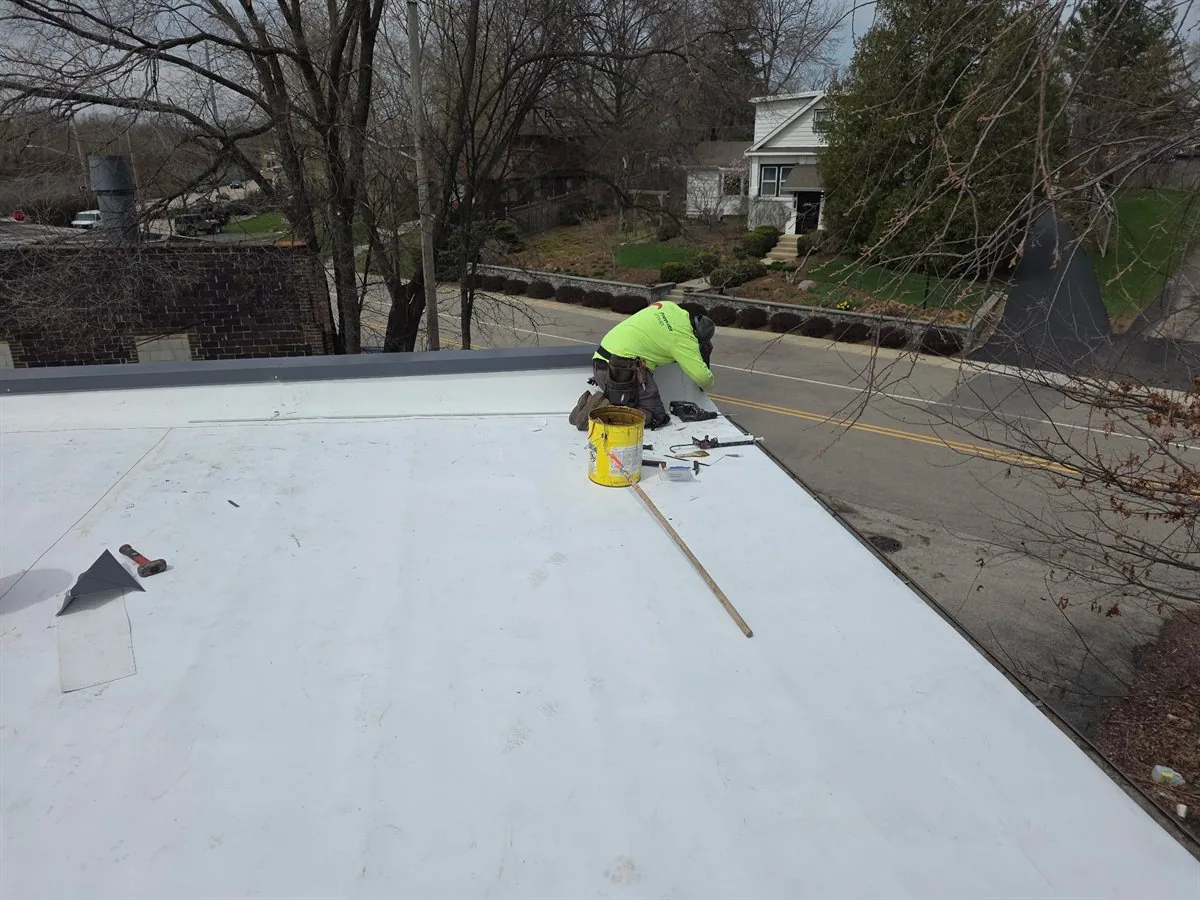
They can compare condition, urgency, affected sections, access and decision needs using consistent fields. The repair method remains system-specific. A TPO seam, EPDM lap and standing-seam metal transition do not share the same detail, so the report preserves those differences instead of forcing one repair assumption across the portfolio.
Useful fields include property and roof-section identifiers, visit date, observed condition, photographs, limits, recommended action, timing driver, authorization status and follow-up date. We can match the format to the owner’s review process while keeping enough site detail to support field work and later comparison.