Water is coming into the building right now
Call us and tell us where the water is showing up. We will get a crew on the roof to stop the leak and protect the space below.

Roof Damage Repair
Repair punctured commercial roof membranes in Rochester, MN by finding the cut, confirming the system and tying a compatible patch to sound material.
Call us and tell us where the water is showing up. We will get a crew on the roof to stop the leak and protect the space below.
We walk the roof, photograph what we find and give you a written scope with repair options before any work starts.
Rochester, MN
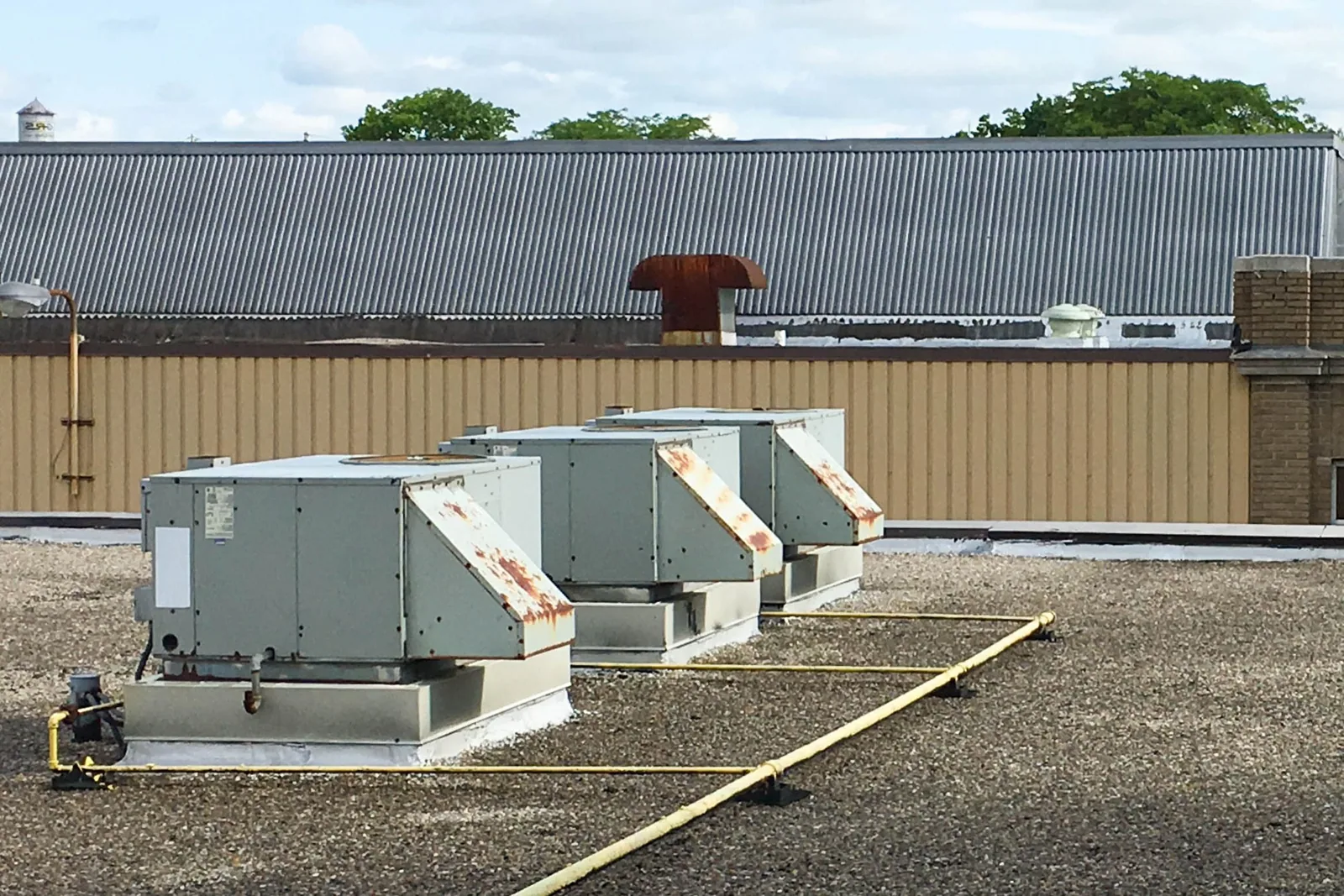
A screw left beside a rooftop unit can work through the membrane after a service visit, while a dropped tool may leave a short cut that is difficult to see from the hatch. We inspect the puncture, its direction, nearby foot traffic and the installed sheet before selecting a repair. The record ties the opening to a roof section and date, then notes whether insulation beneath it was checked.
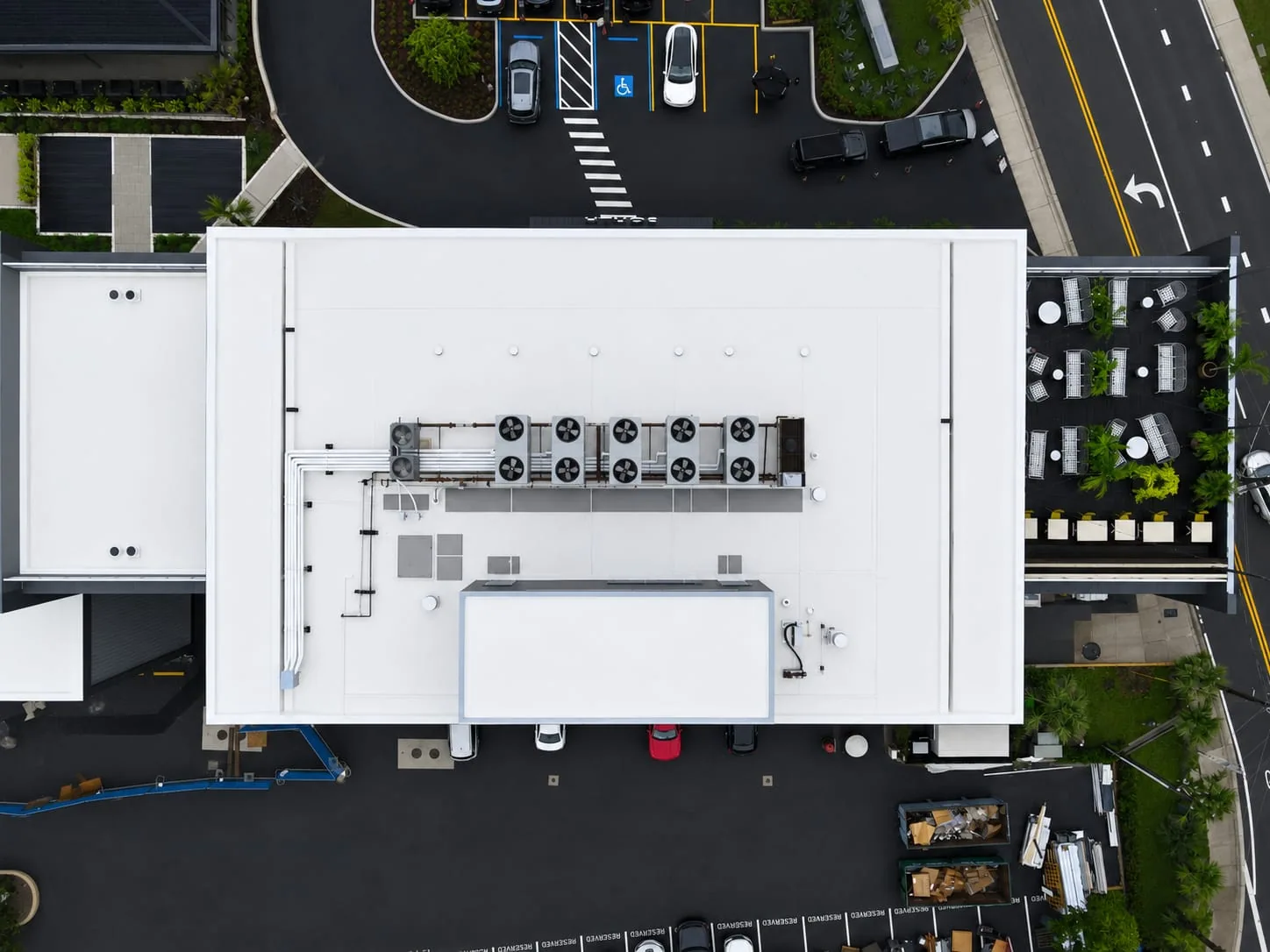
The Rochester Technology Campus review considers warehouse and light-industrial development at the former IBM property, and Mayo Clinic Support Campus includes mapped warehouse and technology facilities. Together, these plans map Rochester's warehouse, light-industrial and technology activity; we verify the roof material and current condition at the service address. We confirm the actual property, service route and membrane type. A roof puncture repair starts with the opening we can verify, not an assumption about which trade caused it.
Share the Rochester address, puncture location, roof system records and recent rooftop service history. We will inspect the opening and nearby traffic path, then return a compatible repair scope and dated closeout.
We mark the puncture, photograph its shape and orientation and inspect the surrounding field for scuffs, cuts, loose fasteners, displaced walkway pads and prior patches. A small opening can extend beneath a footpath or equipment support, so we check the likely contact area and nearby seam. If the roof is wet inside, the leak report helps us trace a path, but we do not assume the ceiling point sits directly below the hole.
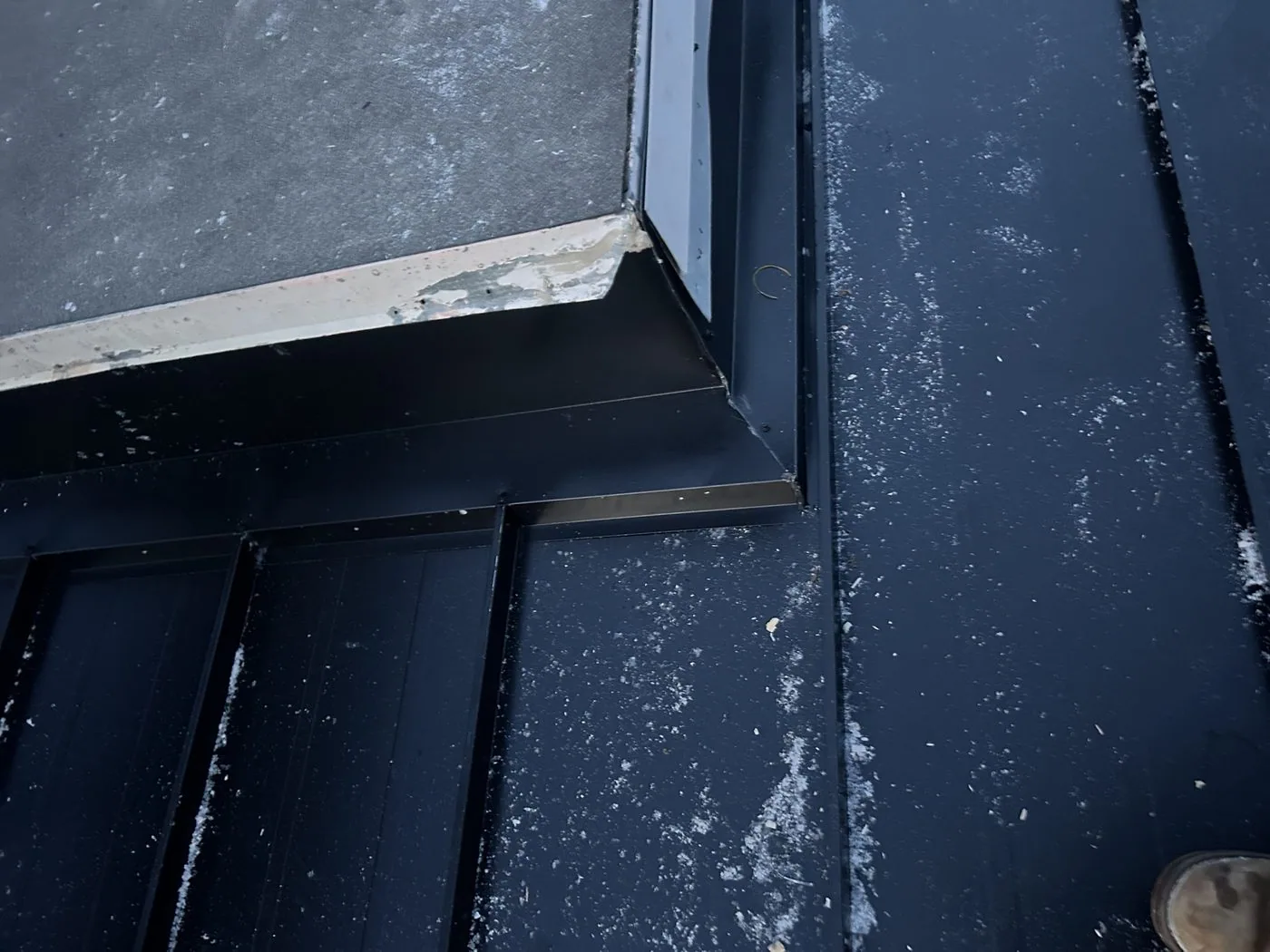
The repair method depends on membrane material, thickness, surface condition and whether the roof is adhered or mechanically attached. We verify the system from field evidence and records before preparing the patch. A TPO puncture repair requires an appropriate weldable patch, while a rubber membrane repair uses compatible preparation and flashing materials. Where a curb, walkway or metal transition is involved, a transition inspection checks that the cut is not part of a wider detail failure.
The site note names the roof section, puncture location, dimensions when measurable, photographs, test performed and material confirmed. If the membrane is opened for inspection, we record whether the insulation and deck were dry, wet or not evaluated. A visual patch can close a surface cut but cannot confirm the layer below it. The owner receives the test boundary and any remaining question rather than an unqualified statement about the entire roof.
Rochester's Airport Business Park sits on an operating airport campus with passenger and cargo facilities. On an aviation-related commercial property, we confirm access and staging with the building contact, then identify the roof system from field conditions and records. We document the exact address and roof zone. The City reviewed the former IBM property for mixed-use redevelopment. At a Rochester Technology Campus property, we tie the service record to its building address and roof section. A dated roof record can connect a puncture to the service work order that preceded its discovery.
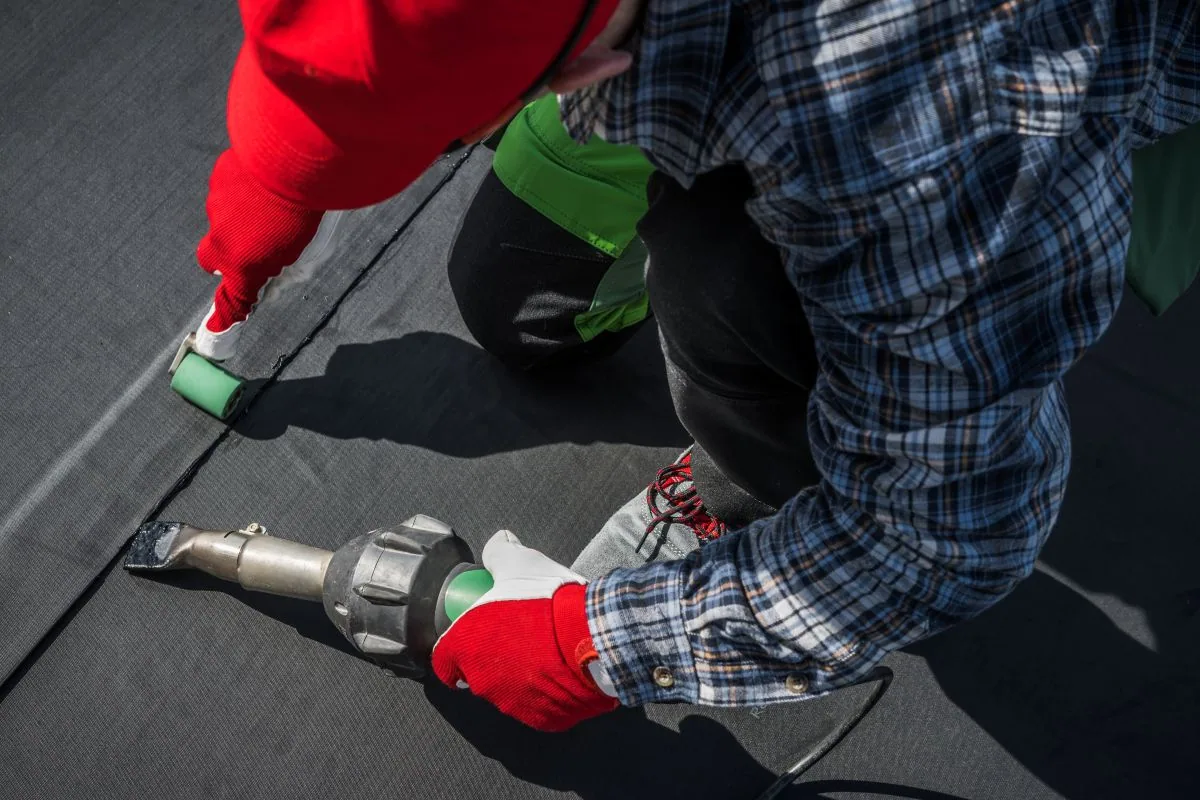
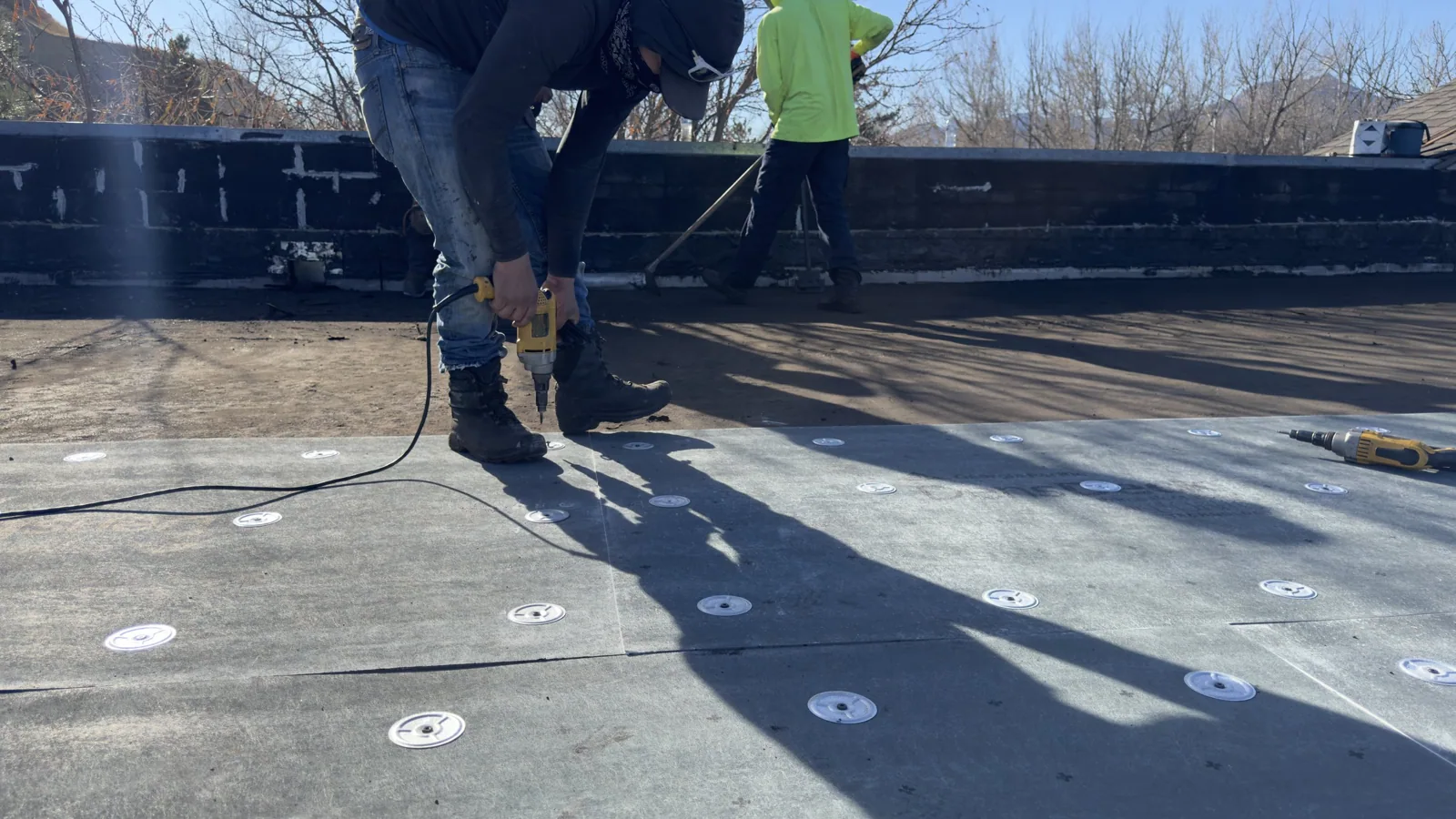
We remove loose or contaminated material, prepare the exposed membrane and install a patch that overlaps sound material around the opening. Corners are shaped to avoid peel points, and the perimeter is welded or bonded according to the confirmed system. The repair is checked after installation and photographed in context. If the puncture crosses a seam or reaches a curb, the detail is extended only as needed to restore the complete transition.
When a footpath or equipment support caused repeated contact, the repair may need an added walkway pad or corrected support detail to reduce another puncture. We coordinate that work with the building's mechanical contact and document any responsibility for a trade correction. The equipment-support repair scope addresses the interface; commercial membrane repair defines patch materials and tested limits. If insulation or deck is damaged, we photograph the opened assembly and request direction before adding work beyond the original scope.
A clean puncture with dry, stable surrounding material may need a localized patch. Multiple cuts, recurring fastener damage, wet insulation, displaced walk pads or repeated service traffic can call for a larger review. We map the affected route, check the membrane and attachment, and compare a repair with broader restoration or replacement only where findings support it. The report distinguishes one confirmed opening from nearby scuffs that have not penetrated the sheet.
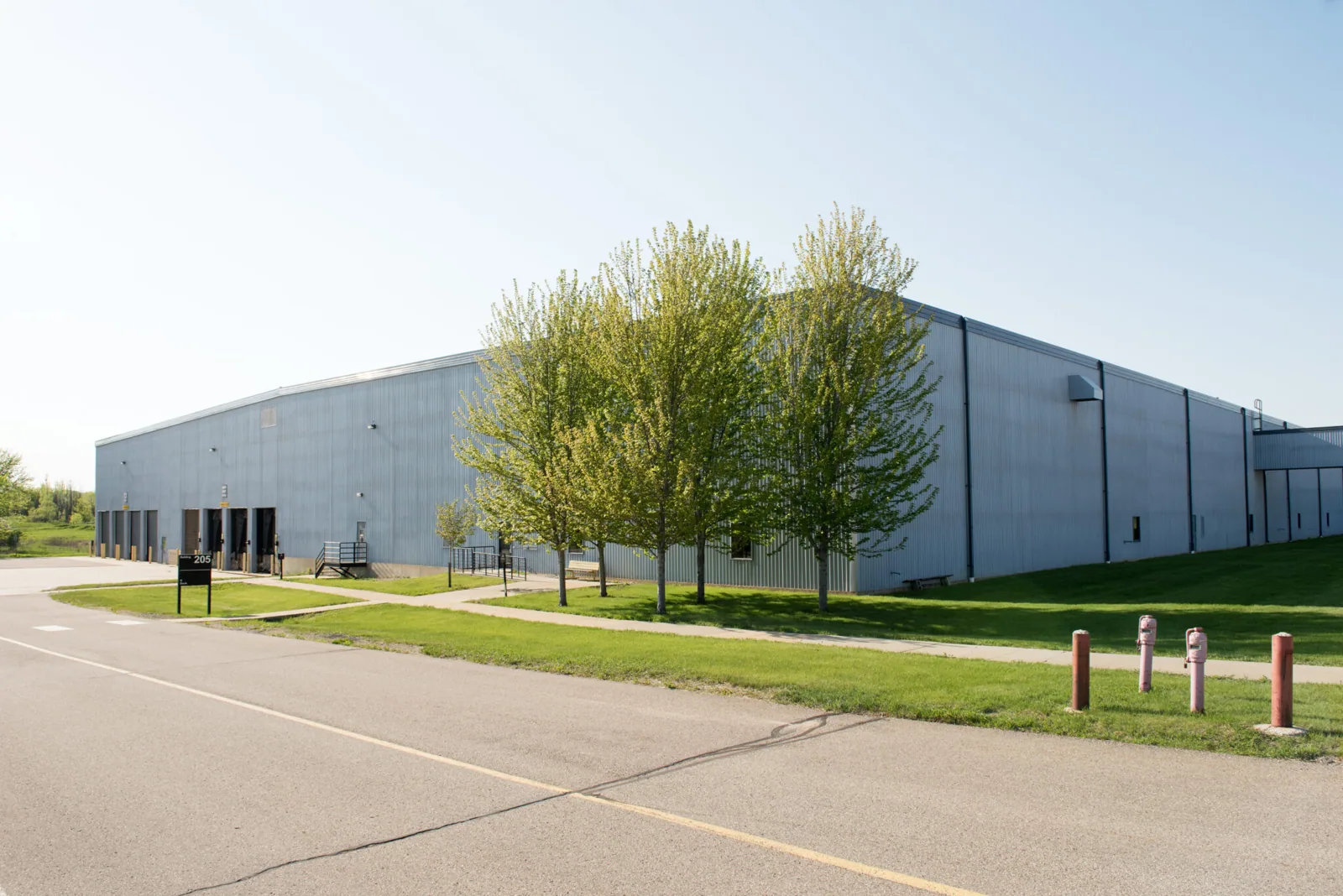
Rochester's plan identifies industrial areas with manufacturing, storage and warehousing uses, while RST reports more than 330,000 square feet of usable cargo ramp. At logistics properties, service routes and rooftop access can shape the inspection plan; the repair boundary follows the membrane and damage confirmed at the address. A logistics property inspection can account for dock schedules, and a seam separation check can verify a distinct failure. We use the actual work history, access and roof evidence to choose the repair boundary.
After a puncture repair, we leave the photos, patch location, material and inspection date with the roof plan. Maintenance revisits that point and nearby pathways after equipment or service work. If a vendor must cross the roof, the building team can identify the designated walkway and confirm that supports do not bear directly on an unprotected sheet. A later visit notes new marks separately from the original opening.
Rochester's normal seasonal snowfall is 46.3 inches, with winter accumulation concentrated from December through March. The season can make safe access and walk-path protection more important, but the installed roof and actual site practices determine repair needs. A maintenance visit can track the patch and any pathway correction. Send the property address, roof system records, puncture location and recent trade history so we can prepare a focused inspection and documented closeout.
Other services, systems and buildings that often come up alongside this work in Rochester.
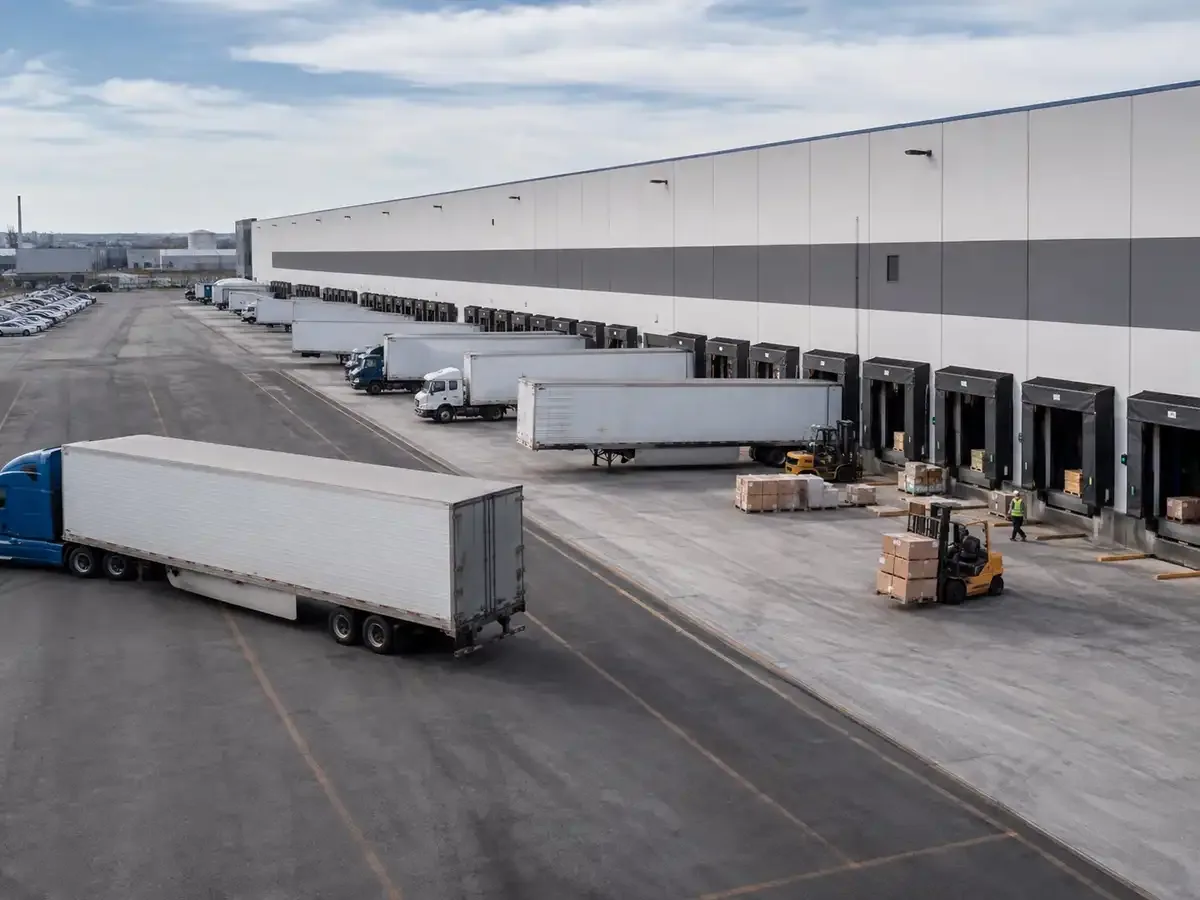

From distribution centers to clinics and schools, we roof the buildings Rochester depends on.
Yes. Water can enter through a small opening, travel through insulation or along the deck and appear away from the puncture. We inspect the roof around the reported area, trace likely paths and document whether the layer below the sheet was tested. The report separates the verified hole from an interior route that remains uncertain.
We identify the membrane, prepare the surface and use a compatible patch with a continuous welded or bonded perimeter. The repair boundary includes sound material around the cut. We verify the finished edge and record whether nearby seams, supports or walk pads were also checked.
The repair can document timing, location, photos and visible conditions, but responsibility depends on the project record and the parties' agreement. We record the opening and any nearby work evidence without assigning fault from appearance alone. The owner can use the report alongside service tickets and access logs.
Several openings along a service path can indicate repeated contact, missing protection or a broader membrane issue. We map the punctures, inspect the route and test beneath the sheet where results could change scope. The recommendation distinguishes isolated patches from a system or walkway correction.