Water is coming into the building right now
Call us and tell us where the water is showing up. We will get a crew on the roof to stop the leak and protect the space below.

Roofing Manufacturers
Inspect and repair SOPREMA commercial roofs in Rochester, MN with system-specific modified bitumen, PVC or liquid flashing details and written scopes.
Call us and tell us where the water is showing up. We will get a crew on the roof to stop the leak and protect the space below.
We walk the roof, photograph what we find and give you a written scope with repair options before any work starts.
Rochester, MN
A granulated cap sheet, a PVC field membrane and a liquid flashing resin call for different inspection steps. On a SOPREMA roof in Rochester, MN, we identify which product family is installed before evaluating a split lap, blister, curb or drain. SOPREMA's commercial range includes SBS-modified bitumen, synthetic PVC and liquid-applied PMMA or PMA systems. The assembly record and visible layers decide how the repair is prepared and closed.
Rochester's Comprehensive Plan 2040 places roughly 1,129 acres of city land in industrial use, including larger-footprint manufacturing and job-intensive activity. That planning figure does not describe a particular roof. The Downtown Commercial Historic District also includes 31 designated properties, 27 contributing to its historic character. The Heart of the City brings Mayo Clinic, commercial, hospitality, retail and residential uses together at the downtown crossroads, so access and daily activity should be confirmed for the specific roof visit. We use the address and field details to set each work boundary, with staging and access confirmed by the property contact.
Send the Rochester address, roof concern, product or closeout records and access contact. We will inspect the agreed area, identify visible material layers and return a dated repair or testing scope.
On modified bitumen, we inspect granule loss, open laps, splits, fishmouths, soft areas and transitions where the cap or base sheet meets a wall. The review follows the material sequence so a surface defect is not mistaken for the full condition of the assembly. A modified-bitumen assessment can record ply type and surfacing where visible. If a test opening is needed, we define the location and restoration method before cutting.
A PVC system uses a single-ply field membrane with heat-welded seams, while an ALSAN PMMA or PMA detail relies on its liquid-applied product sequence and compatible substrate. We inspect the edge, reinforcing fabric where specified, termination and material transition. A PVC roof inspection checks the membrane and weld; a liquid detail receives its own review for coverage, preparation and exposed edges. Coating or repair residue may hide the original surface, so we flag any unconfirmed layer.
A modified-bitumen repair may require cleaning, removal of loose surfacing, compatible asphaltic material and a cap sheet or flashing that laps in the direction of drainage. Heat-applied work requires a controlled sequence and attention to nearby combustible materials; self-adhered or cold-applied details have their own substrate and pressure requirements. We identify the approved method in the scope and document what was completed rather than treating all SBS products as interchangeable.
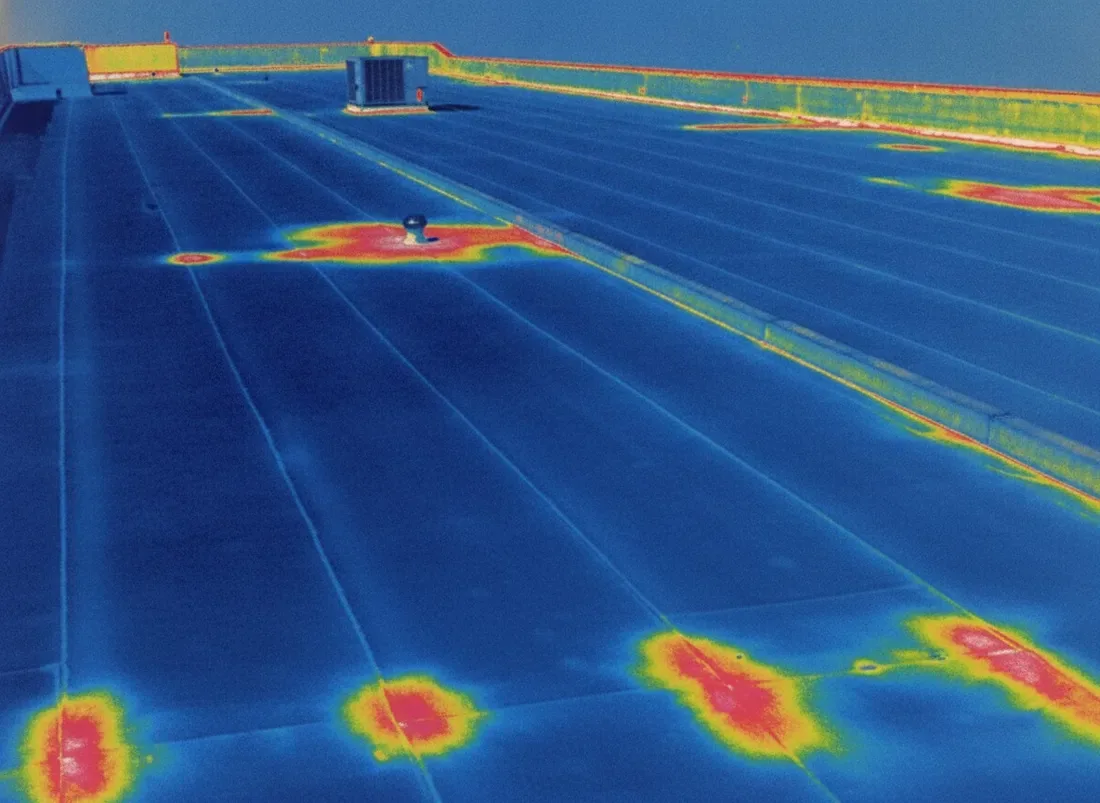
For PVC, we prepare the weld area and check the seam with a probe after fusion. For PMMA or PMA liquid flashing, the substrate must be prepared and the specified reinforcement and resin sequence applied at the detail. A repair proposal names the repair boundary, materials and access limits. If water has reached a broader area, an infrared survey may help target testing, but findings still require confirmation where the method indicates concealed moisture.
A local split or lifted lap can remain a focused repair where adjacent layers are secure and dry. Repeated openings, widespread blistering, wet insulation or separation across unrelated details can prompt broader testing and a recover or replacement comparison. We map visible defects and identify which test would change the scope. The owner sees what is observed, what is concealed and what each next step requires for access and work sequencing.
Rochester's long-term snowfall normal is 46.3 inches; December through March accounts for the larger share of that seasonal amount. The drain route, overflow and parapet edge deserve review before snow limits access, but the normal does not predict a specific roof failure. For a contributing property in the Downtown Commercial Historic District, we confirm any exterior project coordination needed with the owner and appropriate officials; the designation itself does not establish roof construction. A roof survey in the district stays specific to the inspected building.
The field sheet identifies product family where confirmed, roof section, visit date, surface preparation, materials placed and photographs of laps or flashing transitions. We note whether an opening exposed additional plies, insulation or deck and whether restoration is complete. If a detail was inaccessible, concealed by equipment or affected by standing water, the report carries that limitation forward. The record helps maintenance staff avoid applying a liquid detail over a surface without confirming compatibility.
SOPREMA product instructions describe particular assemblies, not the roof present at an address. We compare submitted product records with the visible field and identify mismatches for the owner's review. If a portfolio contains GAF EverGuard TPO or Carlisle SynTec EPDM or TPO, we keep those systems separate rather than reuse a SOPREMA detail. A dated condition report can carry the observation history into capital planning without changing what was actually confirmed in the field.
A follow-up visit checks repaired cap-sheet laps, PVC welds, liquid-flashing edges, drain bowls, scuppers and exposed metal. We compare photographs and record any new material or trade work near the repair. If water reappears, we inspect the nearby seams and drainage path before repeating the same surface treatment. A maintenance entry states what was checked, what was done and which question remains open.
The property schedule sets the next inspection window, taking roof condition, access and winter visibility into account. Emergency response is available through nights, weekends and holidays for active water entry; temporary protection, permanent repair and any testing are tracked as separate work. Send the address, roof concern, SOPREMA system records and facility contact so the inspection can be assigned to the correct section. The closeout returns dated photos, a repair boundary and any owner decision still needed.
Other services, systems and buildings that often come up alongside this work in Rochester.
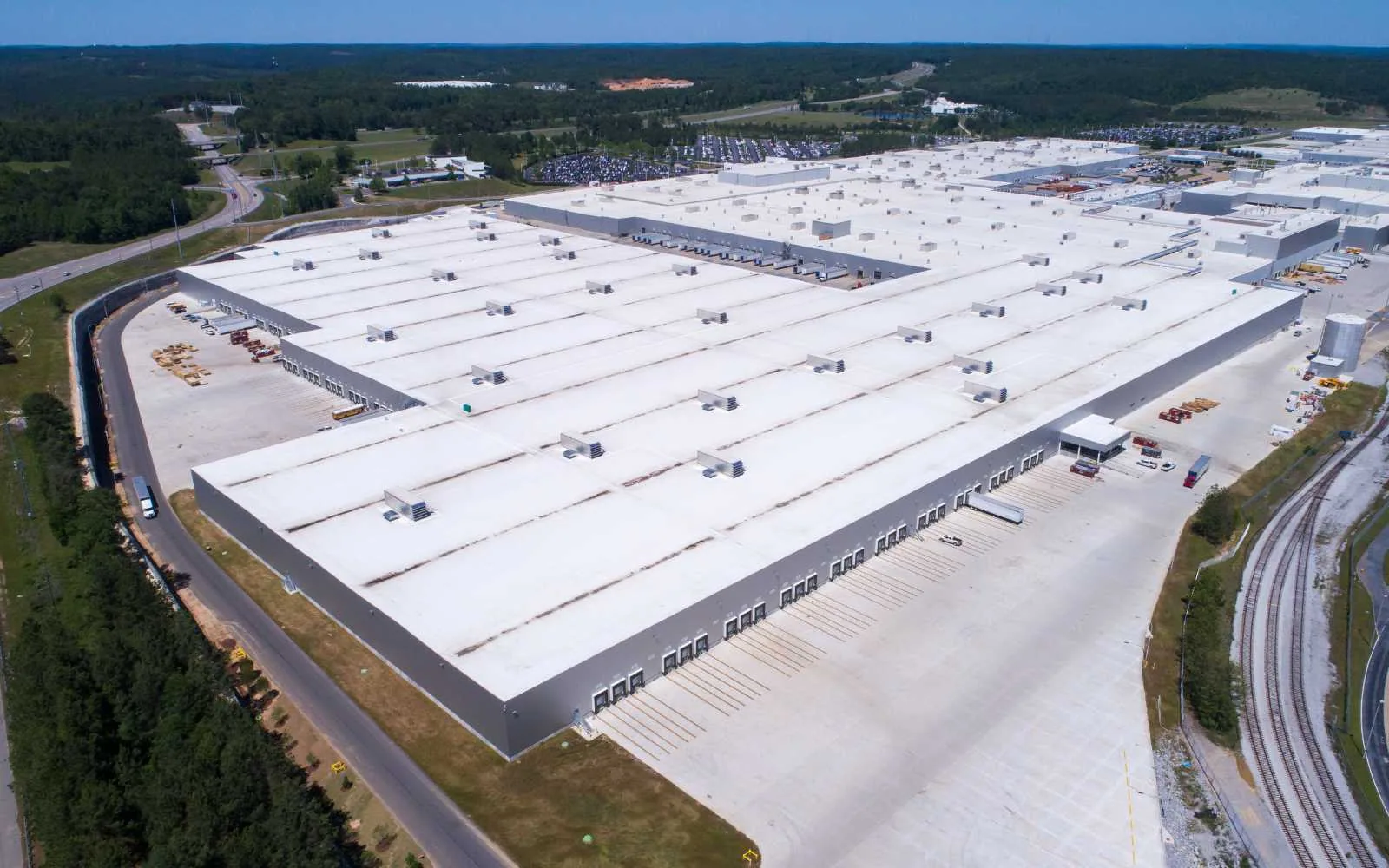
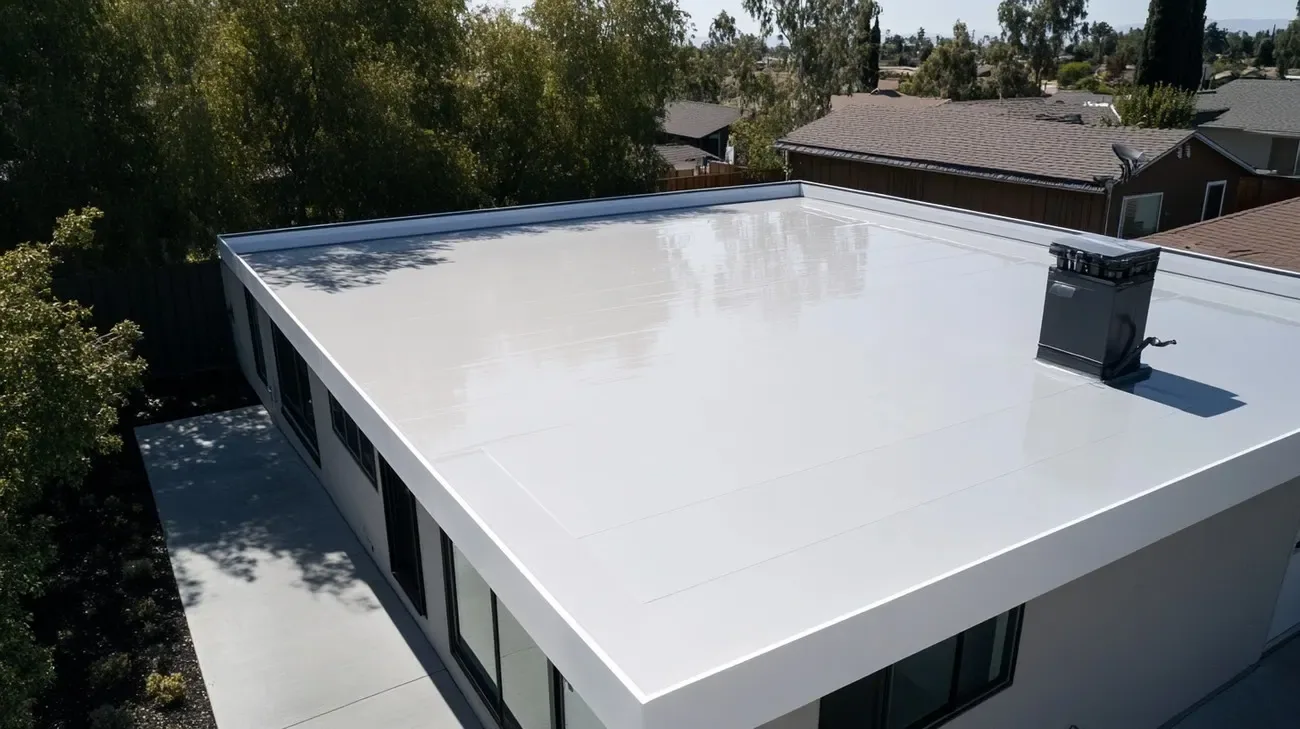
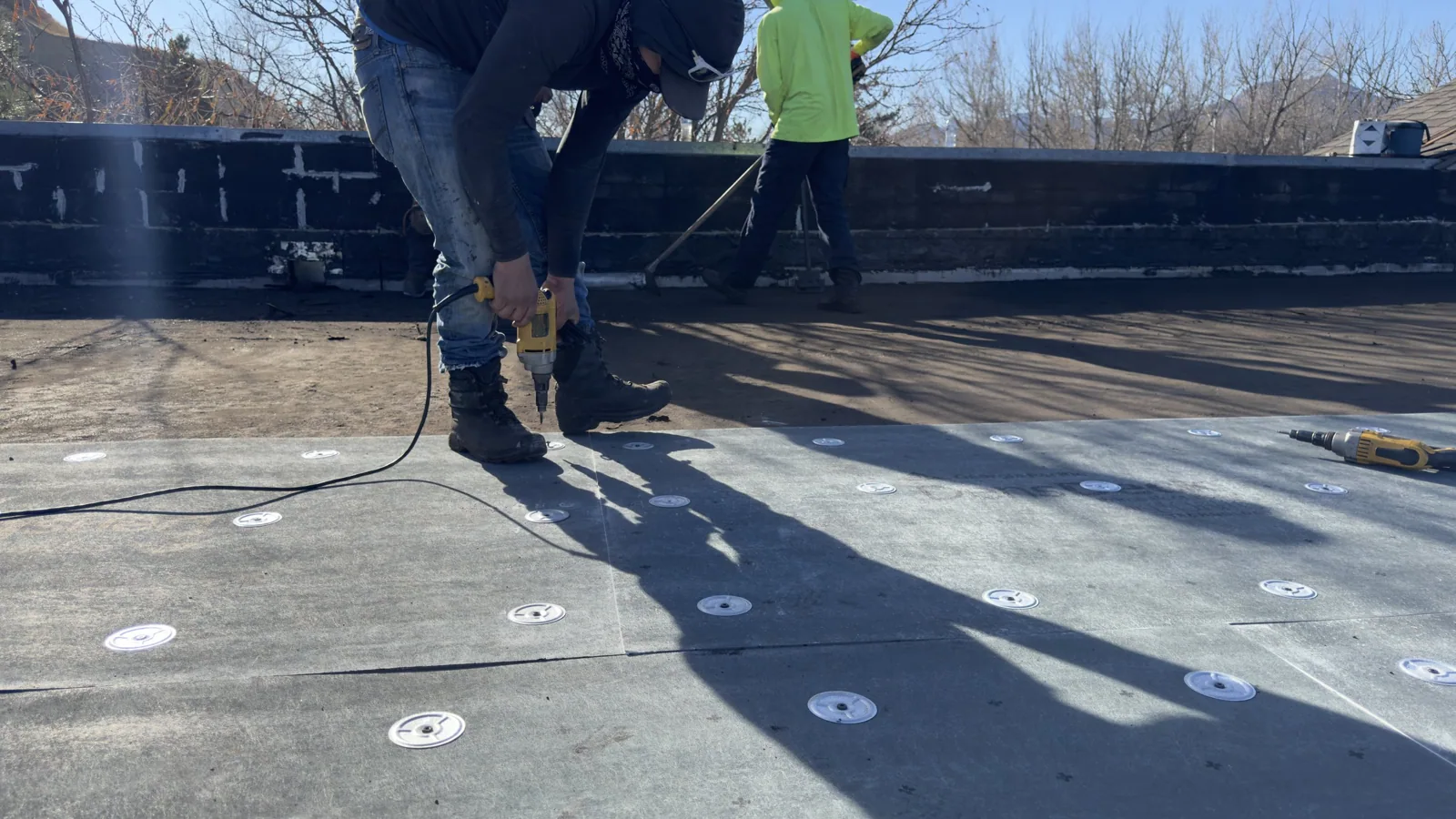
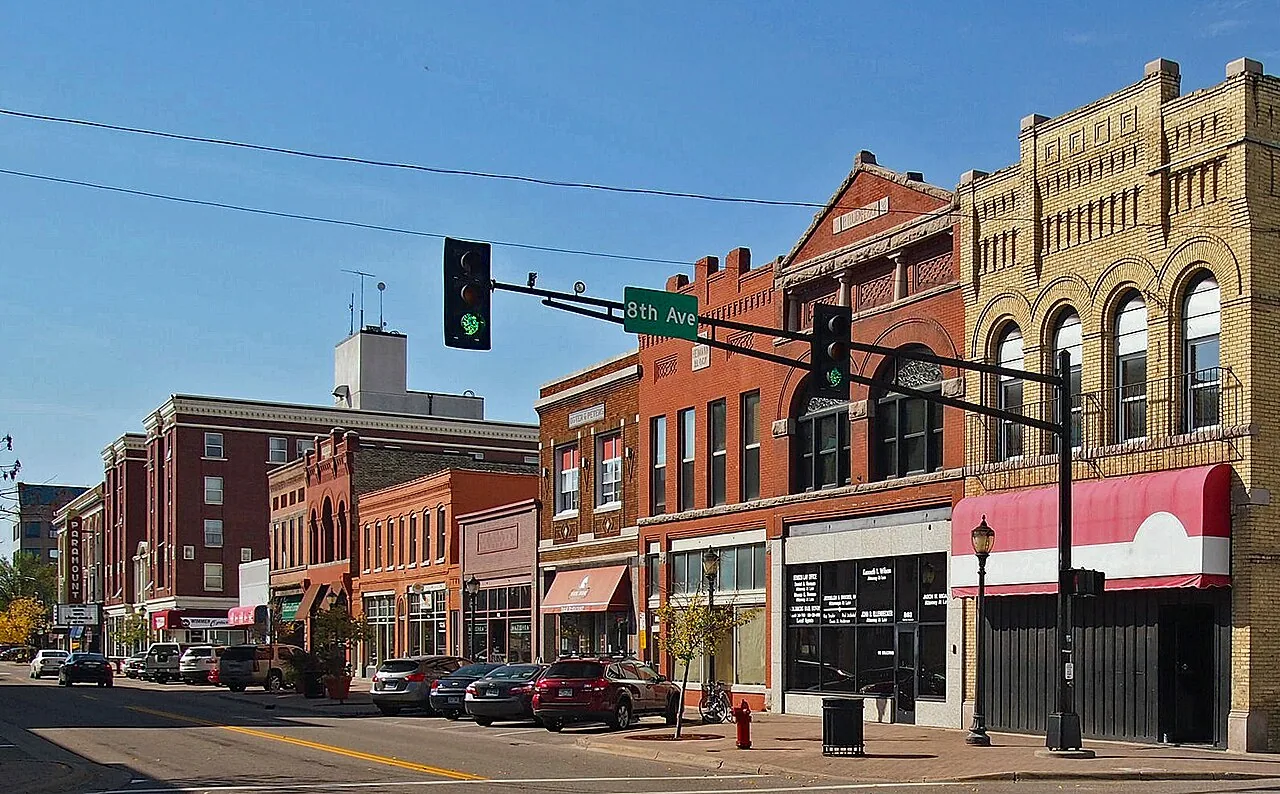
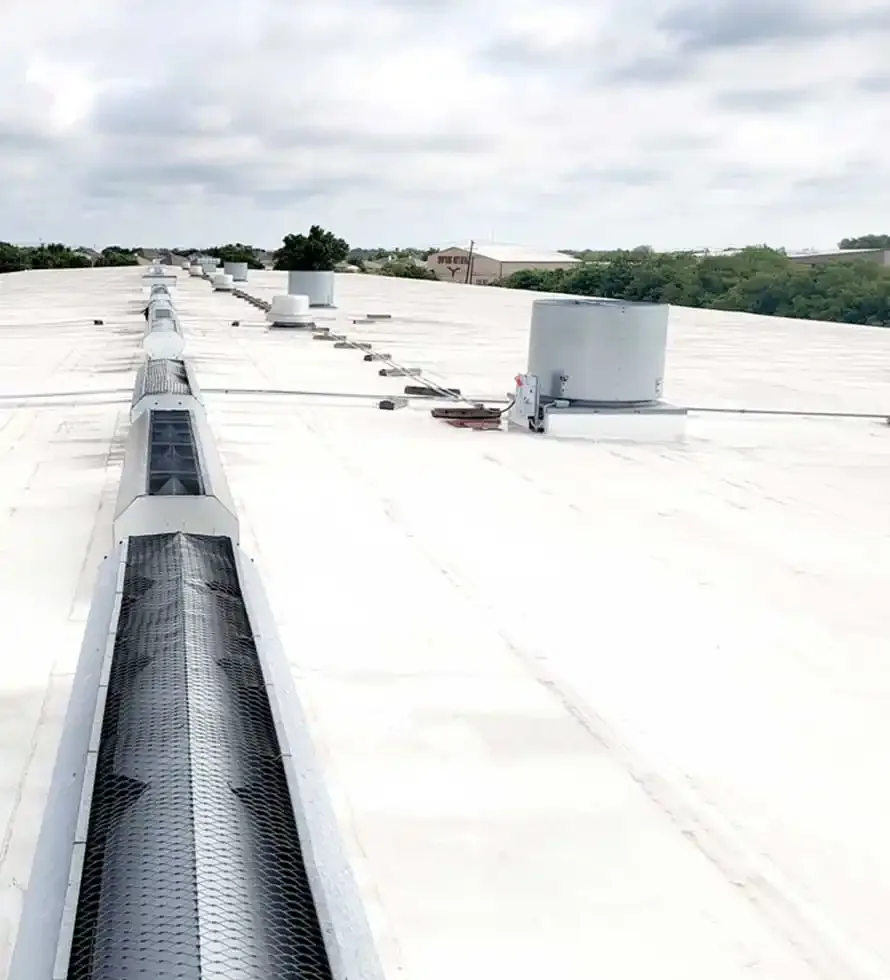
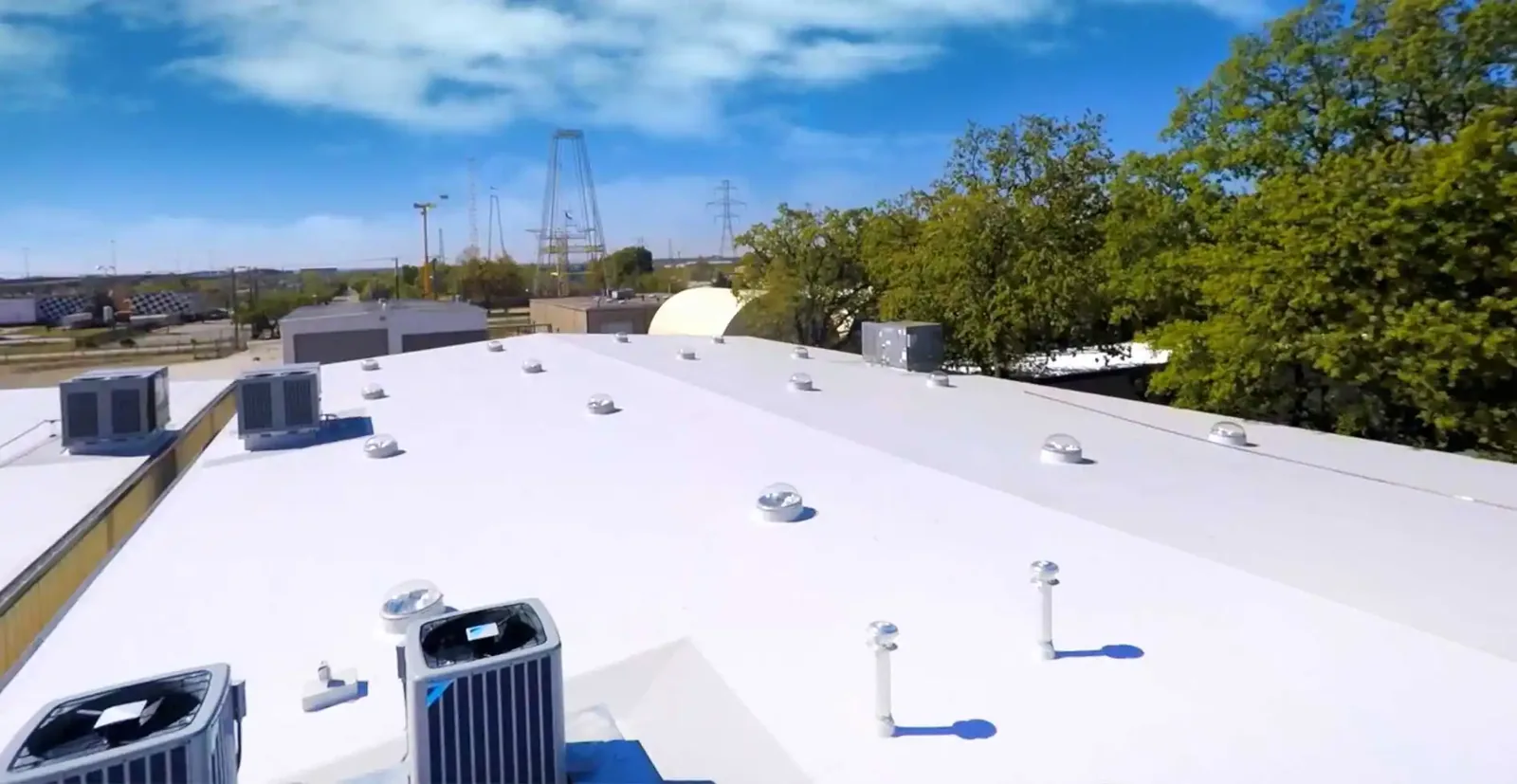

From distribution centers to clinics and schools, we roof the buildings Rochester depends on.
No. The product, membrane, substrate, preparation and compatible reinforcement have to match the specified detail. We identify the existing assembly and review the proposed material sequence before work. If the surface is coated, contaminated or unknown, we document that condition and determine what testing or product guidance is needed.
Modified bitumen is built from asphaltic sheets and laps, with surface treatment depending on the cap sheet and system. PVC is a thermoplastic membrane with heat-welded seams. We identify the installed assembly, inspect the relevant lap and transitions, then set preparation and closure methods for that system.
A visual inspection can document surface conditions but does not confirm concealed moisture. Infrared screening or an authorized test opening may help answer that question under suitable conditions. The report distinguishes an indication from a confirmed wet area and identifies any area that could not be tested.
It identifies a designated district and contributing properties, but it does not establish a specific roof assembly or automatically determine project approval. We record the roof scope and direct the owner to confirm applicable exterior review requirements with the City. Site access and staging are planned separately for the address.