Water is coming into the building right now
Call us and tell us where the water is showing up. We will get a crew on the roof to stop the leak and protect the space below.

Roofing Manufacturers
Repair and plan GAF commercial roofs in Rochester, MN with verified membrane details, seam work, drainage review, and site-specific repair scopes.
Call us and tell us where the water is showing up. We will get a crew on the roof to stop the leak and protect the space below.
We walk the roof, photograph what we find and give you a written scope with repair options before any work starts.
Rochester, MN
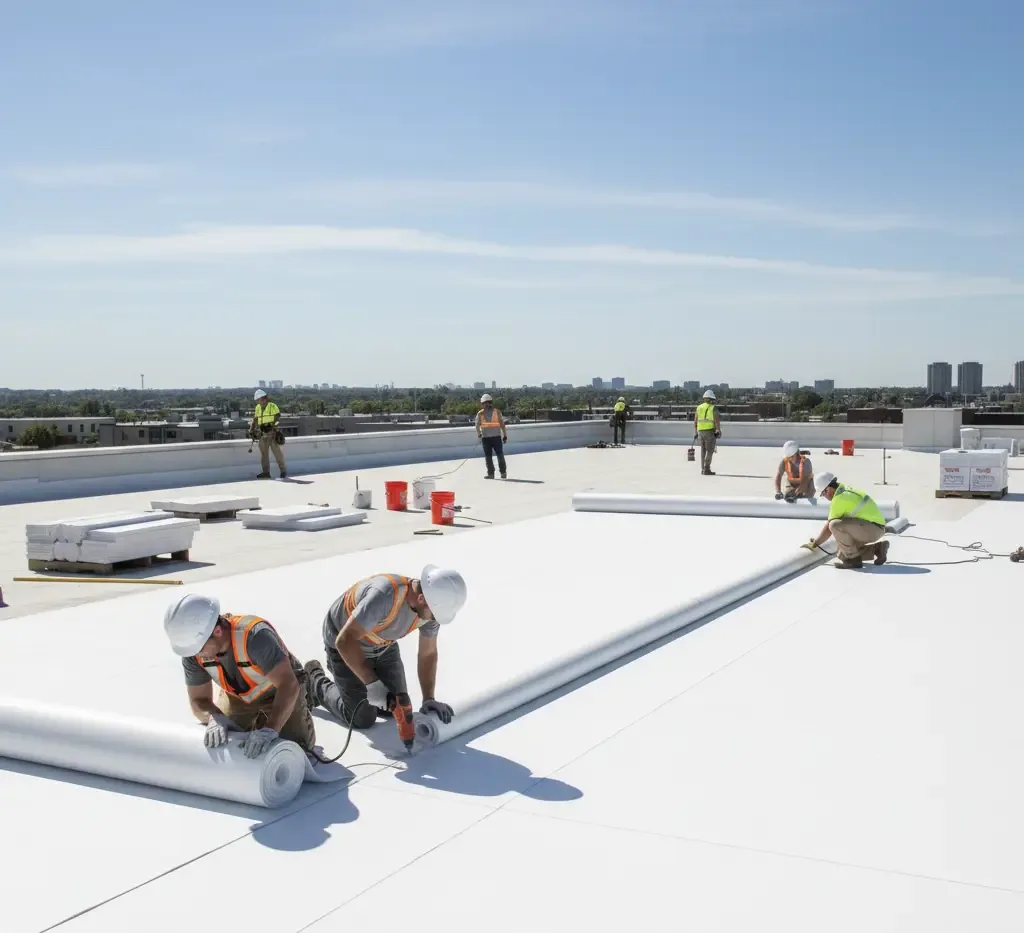
A heat-welded EverGuard seam needs a clean, correctly prepared overlap before the welder can form a dependable joint. On a GAF low-slope roof in Rochester, MN, we start by confirming the membrane, reinforcement, attachment and previous repair materials rather than assuming every white sheet is TPO. That identification sets the repair method, the detail components and whether an isolated seam problem can be tied in without disturbing sound field sheet.
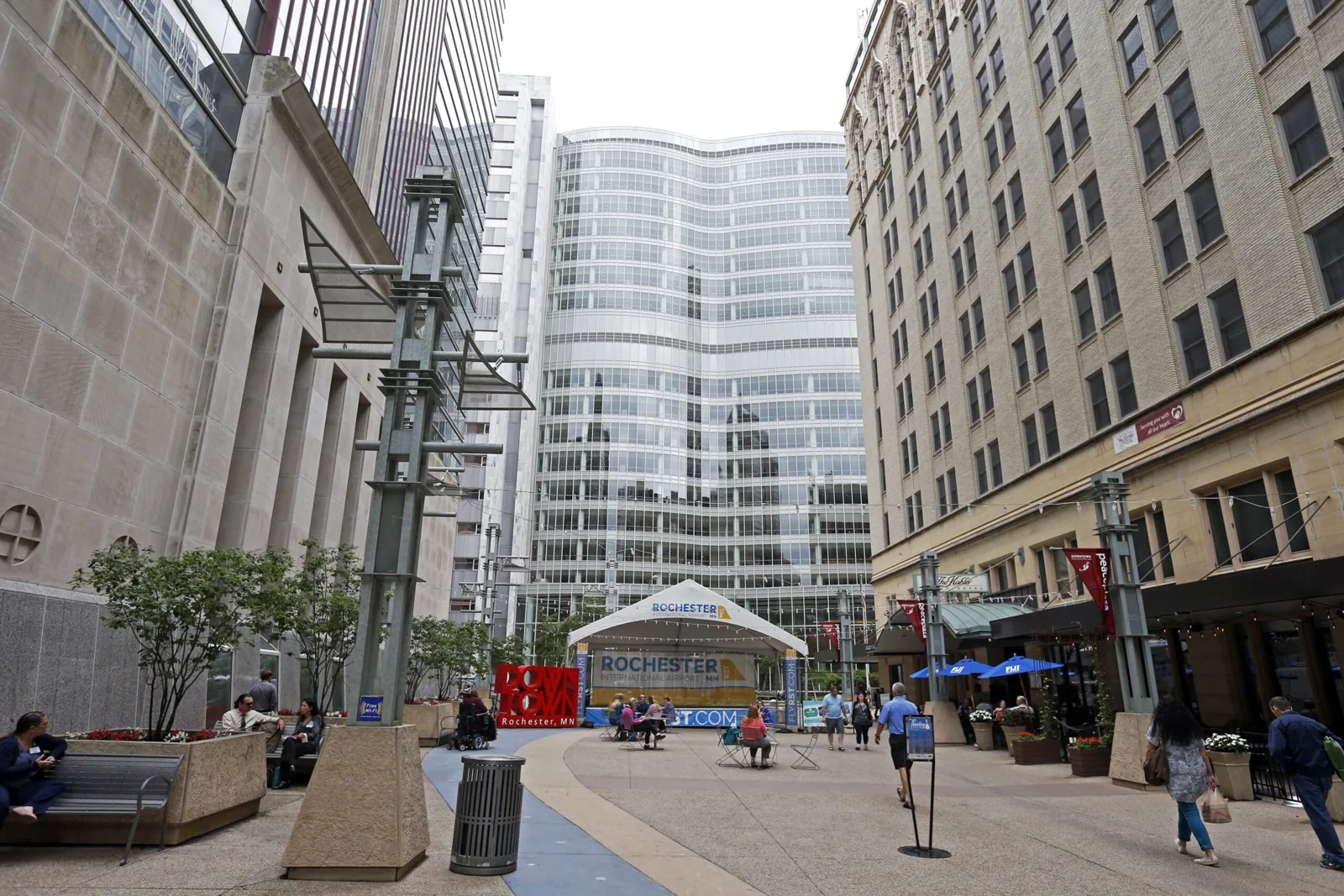
Rochester's winter weather makes drainage and edge details part of that review. The Mayo Clinic Support Campus plan maps warehouses, inventory and technology facilities, while the Heart of the City includes commercial and hospitality uses near Mayo Clinic. Those distinct properties call for address-specific inspection. We record the roof section, seam condition, drain path and access limits before proposing GAF-compatible work.
Send the Rochester property address, roof concern, available GAF system records and facility contact. We will inspect the agreed roof sections, confirm visible materials and return dated findings with a defined next step.
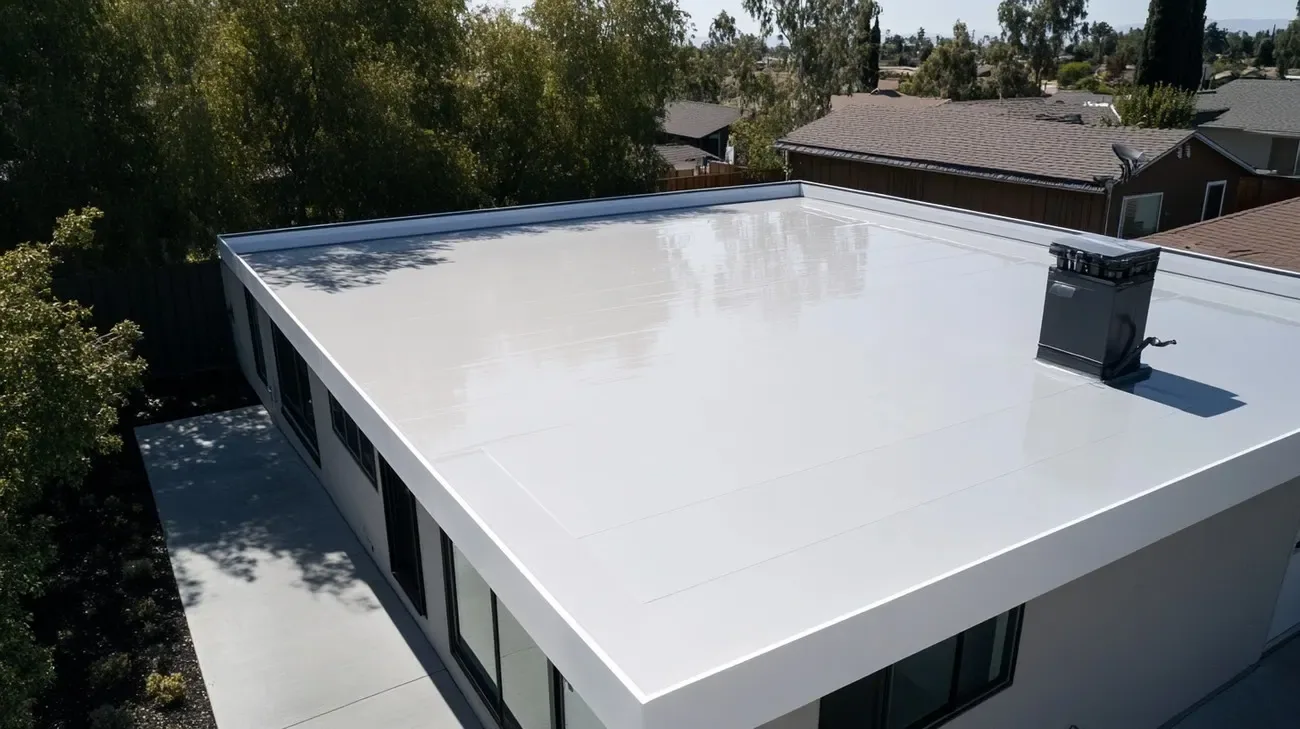
GAF markets EverGuard TPO and PVC single-ply membranes, with system configurations that include adhered and mechanically attached options. The name on a project file is only a starting point. We compare labels, closeout records, visible sheet characteristics and details at curbs or perimeters, then note where identity remains unconfirmed. A TPO roof inspection distinguishes heat-weldable membrane from coatings or dissimilar patch materials; a PVC system review checks its own compatible flashing and weld process.
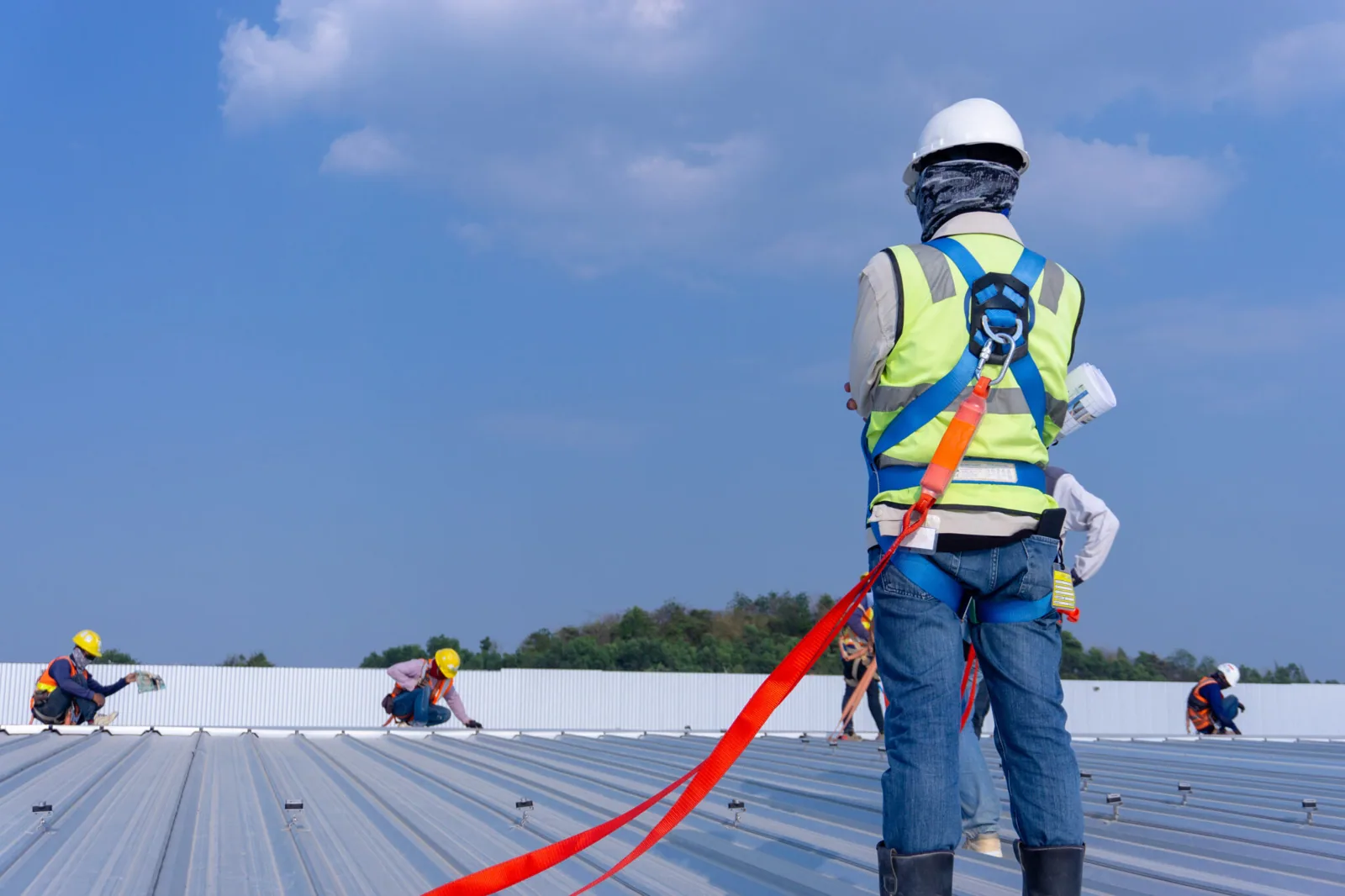
Inspection follows the field seam to its end, then checks the lap, fastener row, termination bar, penetration curb, drains and metal transition. We photograph blisters, cuts, open corners and repairs with the roof zone visible in each record. If a prior coating or incompatible product obscures the original surface, we state that limit rather than name a system from color alone. A written inspection can separate confirmed details from items that need a small test area.
For an EverGuard TPO repair, the exposed membrane must be clean and prepared for a compatible heat weld. We remove contamination within the repair boundary, probe the existing seam, and check whether the surrounding sheet can accept the new overlap. A patch that crosses loose material or ends at a weak transition can move the failure to its edge. We document the cut size, reinforcement direction, weld perimeter and any concealed layer found when the opening is authorized.
Attachment also affects the scope. Mechanically fastened sheets rely on the fastening pattern and securement at perimeters; adhered assemblies require attention to bond, substrate and areas where separation is visible. The repair proposal identifies which condition was observed and which remains concealed. A commercial repair scope lists the work boundary and tie-in, while a seam-failure repair can address a verified open lap without implying that the full roof needs replacement.
One failed seam can be local; recurring seam openings, widespread wet insulation or deteriorated attachment can change the decision. We map separate findings, test only where the result could alter scope and compare a focused repair with recover or replacement. The comparison includes existing layers, deck condition where known, drainage elevations, edge height, insulation, access and occupied-building sequencing. GAF product names do not establish which system belongs on a specific deck or qualify a particular assembly.
Rochester's normal seasonal snowfall totals 46.3 inches, with December through March carrying the main winter period. That makes drain bowls, scuppers, overflow routes and safe access useful inspection points, while the observed roof controls the recommendation. At the Mayo Clinic Support Campus, we match each service record to its building address, roof section and confirmed membrane system. In a mixed portfolio, Carlisle SynTec TPO or Johns Manville TPO may sit beside EverGuard; each repair stays tied to its verified membrane and roof section.
Membrane transitions at a curb, pipe, hatch or metal edge deserve the same attention as the field seam. We identify whether flashing is formed from the same membrane family, a compatible accessory or a different material that needs a separate detail. The closeout records preparation, fastening or adhesion at the boundary, weld quality and photographs before the work area is released. If an existing accessory cannot be reused, the scope names the replacement detail and the reason for changing it.
For visible storm damage, we tie the observation to the property address, event date and photographed roof detail. The National Weather Service documented hail in northwest Rochester on April 17, 2026. The April 17 report gives northwest Rochester property owners a reason to review exposed membrane and metal; our inspection records the conditions found at each address. A hail inspection ties photographs to the building, while the repair record retains the boundary and next inspection date.
A maintenance visit checks previously repaired welds, drain bowls, edge metal, penetrations, walkway paths and locations where trades have worked since the last inspection. We note loose debris or surface changes and carry unresolved items into a dated field sheet. The interval follows the roof condition, owner requirements and system documentation available for the property; no single schedule fits every assembly. Prompt attention to a small opening can keep water from reaching insulation or migrating along a deck before the next planned project.
GAF's EverGuard line includes TPO products with heat-weldable seams, and TPO or PVC identity must be confirmed before using that method. We check a repair area with the intended equipment and compatible material, then close out the visit with photographs and any item requiring approval. For a property near downtown or a warehouse at the support campus, include the building address and roof plan so notes stay attached to the right asset. A leak crew can be dispatched overnight, on a weekend or during a holiday to stabilize active water entry.
Other services, systems and buildings that often come up alongside this work in Rochester.
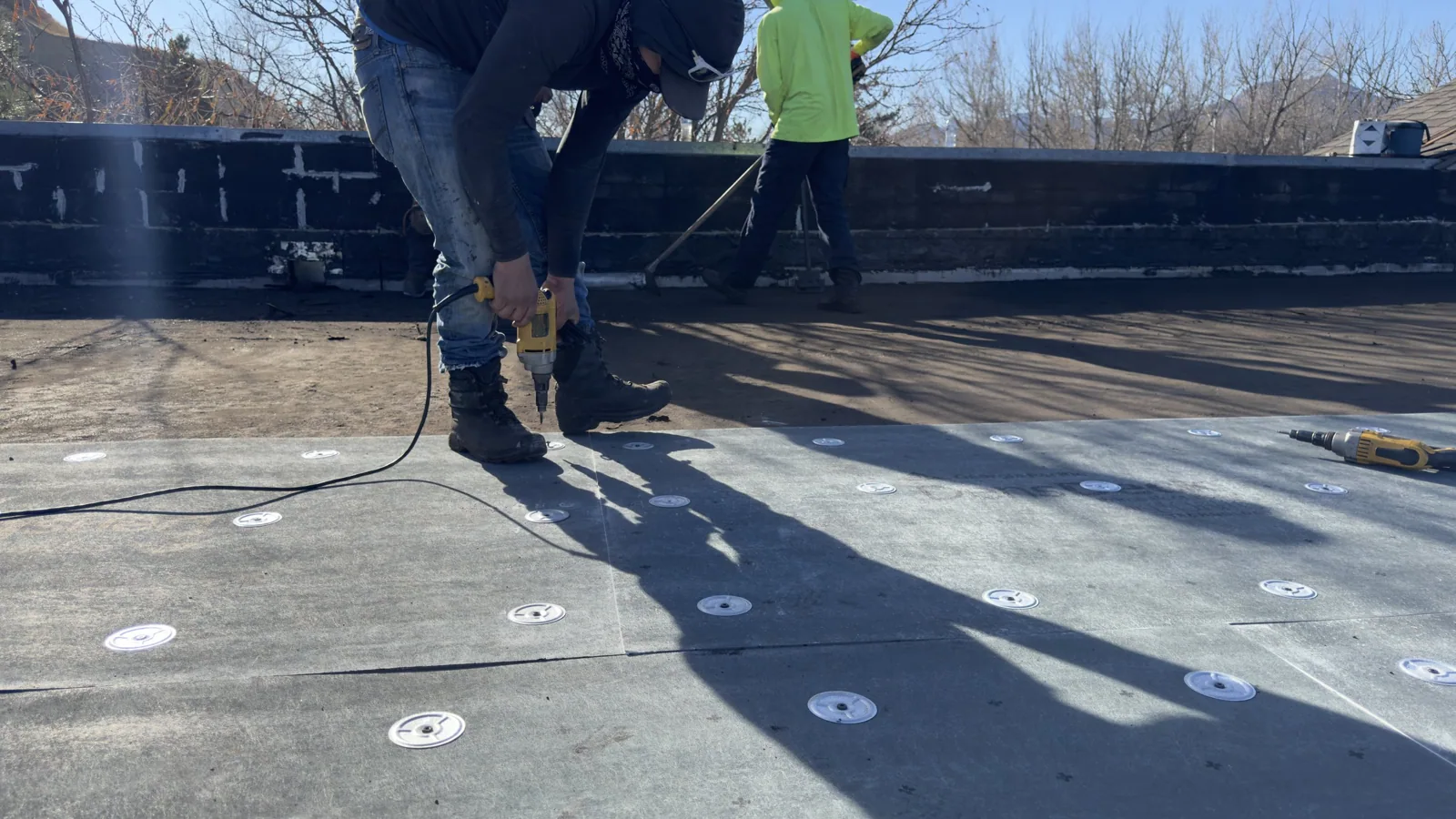
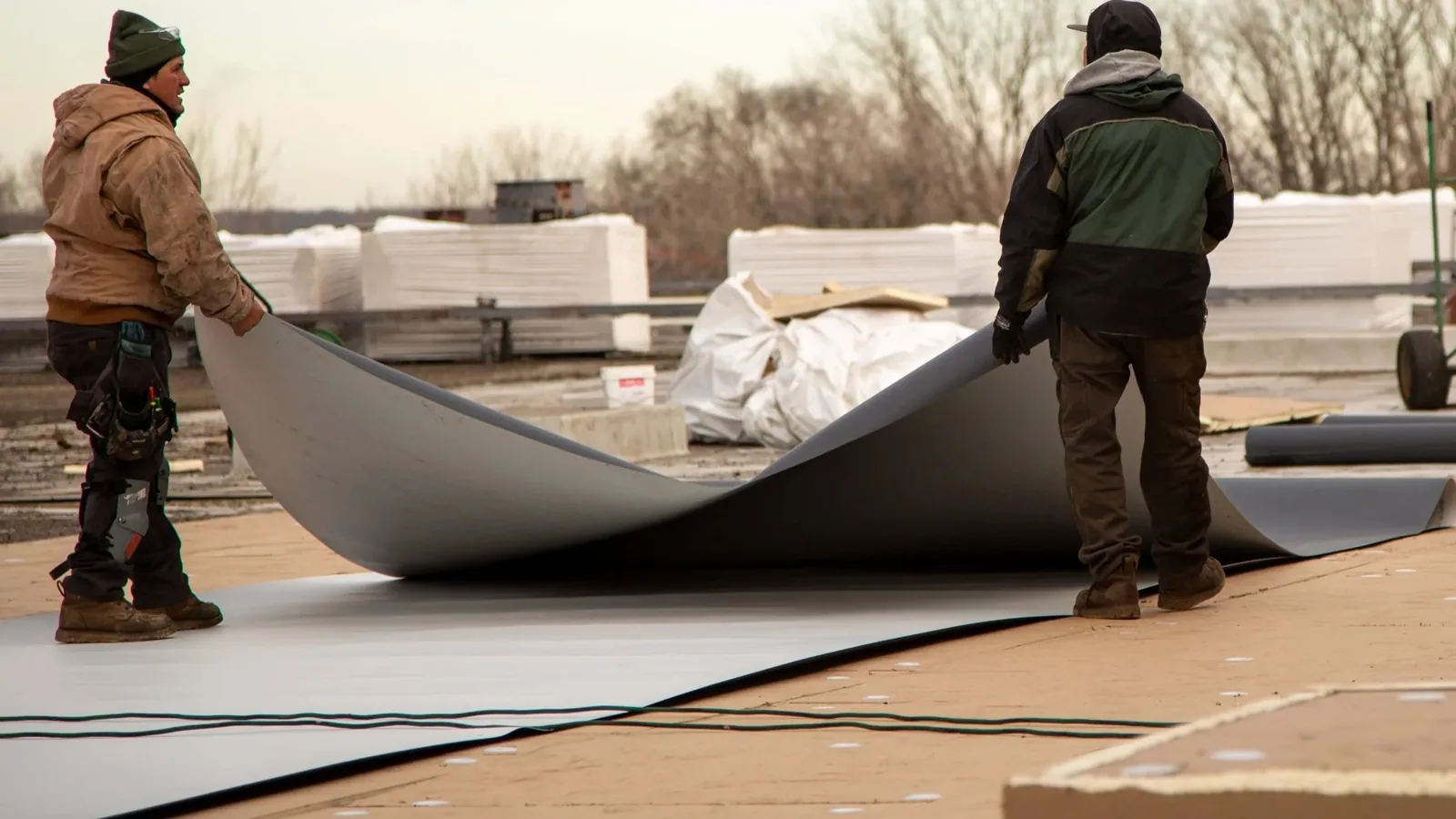
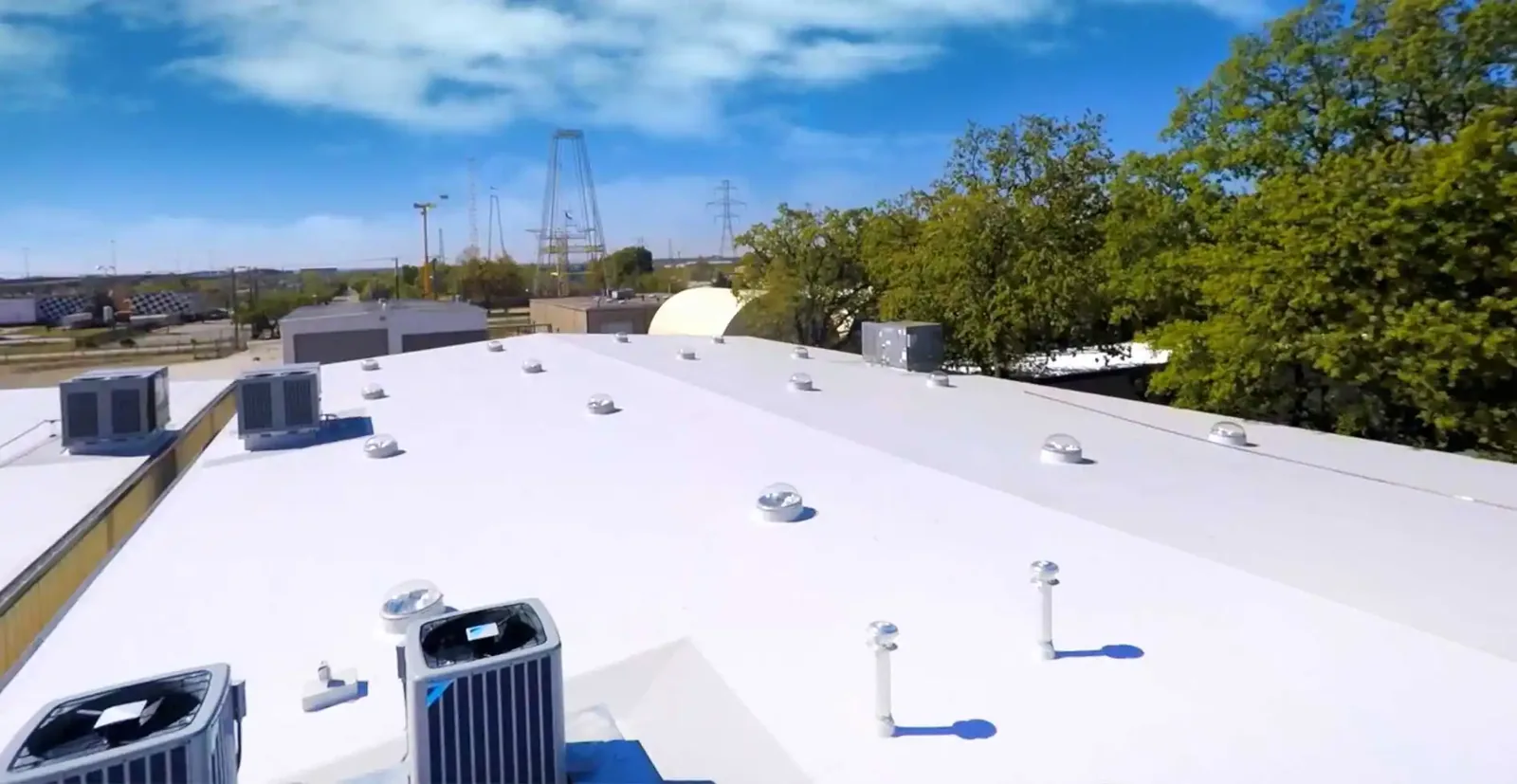

From distribution centers to clinics and schools, we roof the buildings Rochester depends on.
The installed membrane and repair materials must be identified first. A PVC sheet, coated surface, old patch or contaminated seam may need a different preparation or detail. We inspect the area, confirm compatibility where possible, and document any test or manufacturer guidance needed before setting the repair boundary.
A local repair addresses a bounded opening when the surrounding membrane and attachment remain suitable. Replacement becomes a comparison when failures recur, moisture is widespread, securement is deteriorated or the existing assembly cannot support a sound tie-in. We map the evidence and state what testing would change the decision.
Color alone does not establish reflectance, assembly performance or warranty status. We identify the product and system records available, then keep roof observations separate from documents issued for a particular project. Coverage and eligibility follow the actual written terms, not the membrane color or a repair report.
We confirm the address and inspect exposed field membrane, seams, flashings, edges and rooftop equipment, then photograph marks that warrant closer review. We inspect the service address, photograph exposed membrane and metal, and tie every observation to the roof section in the closeout.