Water is coming into the building right now
Call us and tell us where the water is showing up. We will get a crew on the roof to stop the leak and protect the space below.

Roofing Manufacturers
Repair and assess Johns Manville commercial roofs in Rochester, MN with membrane-specific details, verified seams, penetration checks, and clear scopes.
Call us and tell us where the water is showing up. We will get a crew on the roof to stop the leak and protect the space below.
We walk the roof, photograph what we find and give you a written scope with repair options before any work starts.
Rochester, MN
A reinforcement layer changes how a membrane moves around a penetration, but it does not replace a correctly closed flashing detail. On a Johns Manville roof in Rochester, MN, we begin by confirming whether the field is TPO, EPDM, PVC or a bituminous assembly and whether its sheet is reinforced. That detail controls the repair material, splice method and the inspection points around curbs, drains and metal transitions. In a mixed portfolio, a GAF EverGuard section or Carlisle SynTec roof receives its own verified membrane record rather than a borrowed JM detail.
Mayo Clinic’s local support-campus inventory lists North and South Valley business centers, along with warehouses, inventory and technology functions.
Send the Rochester address, roof concern, available Johns Manville documents and access contact. We will inspect the agreed sections and return photographs, identified details and a repair or testing recommendation.
JM TPO membranes use polyester reinforcement, and the manufacturer describes a formulation designed for flexibility and weldability. We inspect the exposed edge, seam, field sheet, attachment pattern and flashing before planning a weld. A TPO assembly review checks whether the heat-welded seam is sound and whether the nearby substrate is suitable. Around irregular curbs or mixed roof transitions, the inspection follows the full perimeter rather than the most visible side.
JM also offers EPDM products with factory seam tape and both reinforced and nonreinforced sheets. We look at splice edges, primer condition, uncured flashing, termination bars and areas with adhesive separation. A JM EPDM assessment keeps those checks distinct from thermoplastic welding. If the system label or closeout file is absent, we record the identification as provisional until a sample or manufacturer documentation resolves it.
On TPO, preparation removes dirt and residue from the intended weld area, then a test confirms that the sheet can fuse under the selected conditions. The repair should extend onto stable membrane and finish with a continuous perimeter. On EPDM, the compatible primer, tape or flashing method has its own surface requirements and pressure step. We record the material sequence and repair boundary so the owner can see which system detail was used.
JM's product range also includes APP modified bitumen sheets such as DIBITEN. A bituminous roof has laps, plies, surfacing and base flashing details that require a different inspection path from single-ply membrane. We identify whether a split is limited to the cap sheet or continues through the assembly before recommending a repair. A modified-bitumen inspection can focus the review, while a repair scope identifies surface preparation, tie-ins and any opening needed to confirm concealed layers.
A puncture near a rooftop unit may remain local if the surrounding membrane and insulation are dry and secure. Repeated openings, soft cover board, widespread moisture or loose perimeter attachment can change the scope. We map individual defects and identify when infrared screening or a test cut can resolve uncertainty. The decision record distinguishes a repair recommendation from replacement planning and lists which areas were not accessible.
The Rochester 1991-2020 normal is 46.3 inches of snow each season. Before the main December-to-March accumulation window, the service visit can review accessible drain bowls, overflows and seam terminations. The former IBM parcel lies between 41st Street NW, US Highway 52 and Valleyhigh Drive NW. For a property in the Rochester Technology Campus area, we confirm the building identity and operating contact before assigning a system finding.
We retain the manufacturer's system name when confirmed, the roof location, date, photographs and materials observed. Product data and assembly instructions help establish a proposed detail, but they do not show what was installed at a particular property. When a roof has been recovered, patched or altered, the report describes visible layers and notes where the original build-up could not be verified. That distinction helps the owner compare current condition with the file.
A closeout record notes whether work was temporary or permanent, what area was repaired and whether nearby equipment or drains limited access. If an owner supplies warranty papers, we can organize the document beside the inspection findings without deciding coverage. A warranty record review identifies listed areas and missing records for the owner's follow-up. The written terms and administrator remain the basis for any status determination.
After repair, periodic checks can revisit splice tape edges, heat-welded seams, flashing corners, drain bowls, perimeter metal and penetrations that have received new trade work. We compare dated photographs and note movement or reopening before the next budget cycle. The interval depends on roof condition, records and the owner's operations calendar. A maintenance list should say what was examined, what was cleaned or repaired and what remains outside the approved scope.
Rochester Technology Campus is the name for the former IBM property, where redevelopment scenarios include employment uses alongside housing. We preserve separate building and roof-system records across the site. A roof asset file can carry the verified JM system and repair history. Around active water entry, our emergency response operates through nights, weekends and holidays; we log temporary protection apart from the permanent work still required.
Other services, systems and buildings that often come up alongside this work in Rochester.
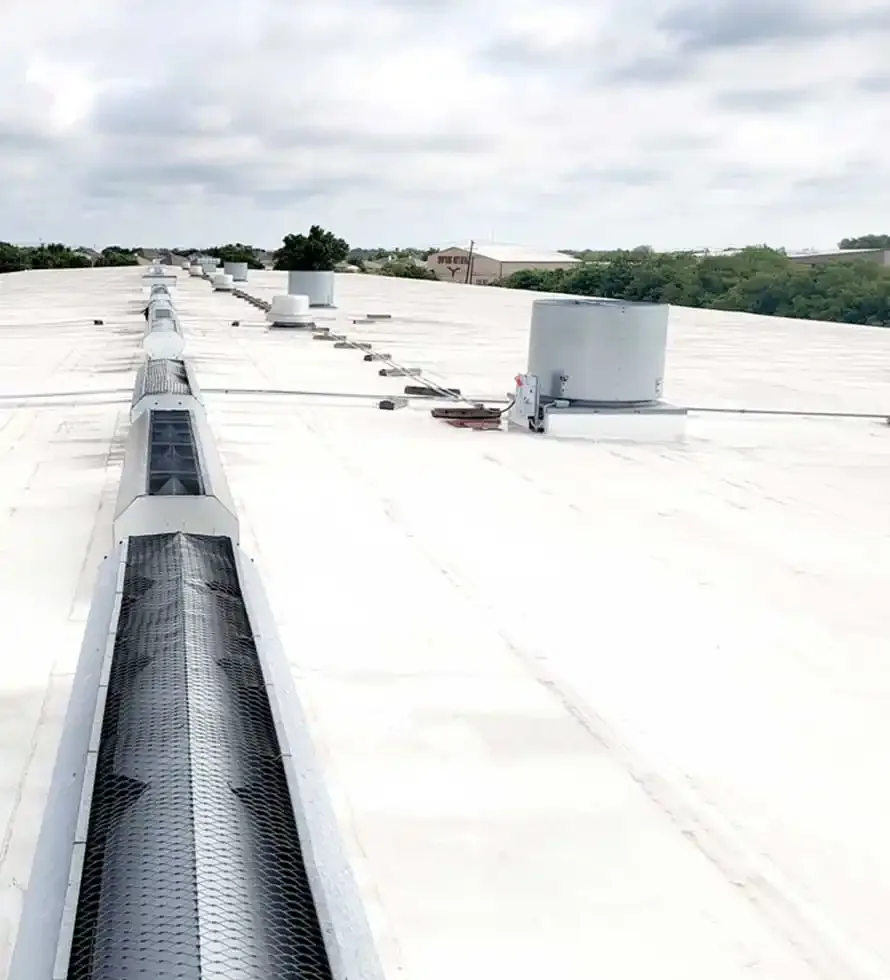
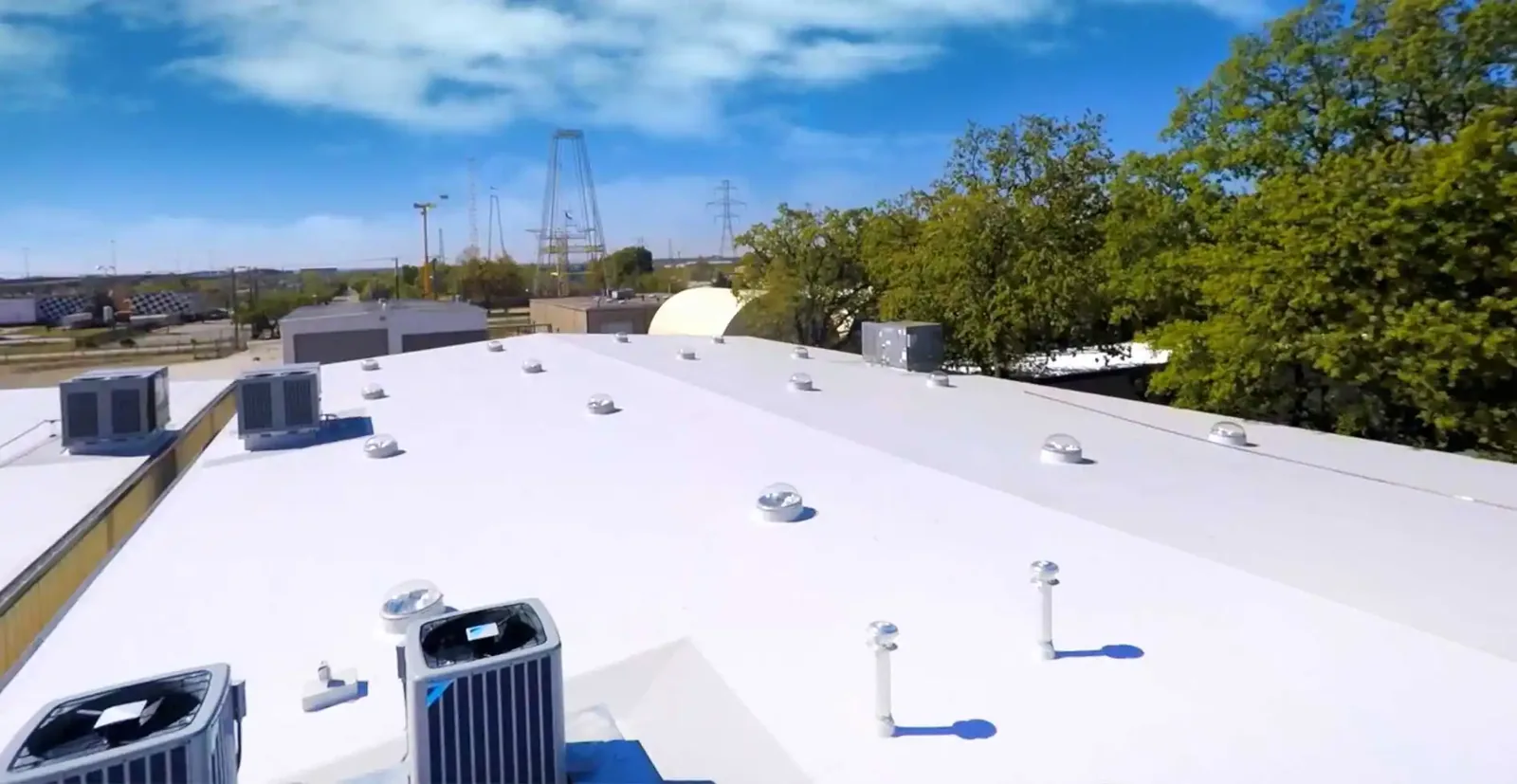
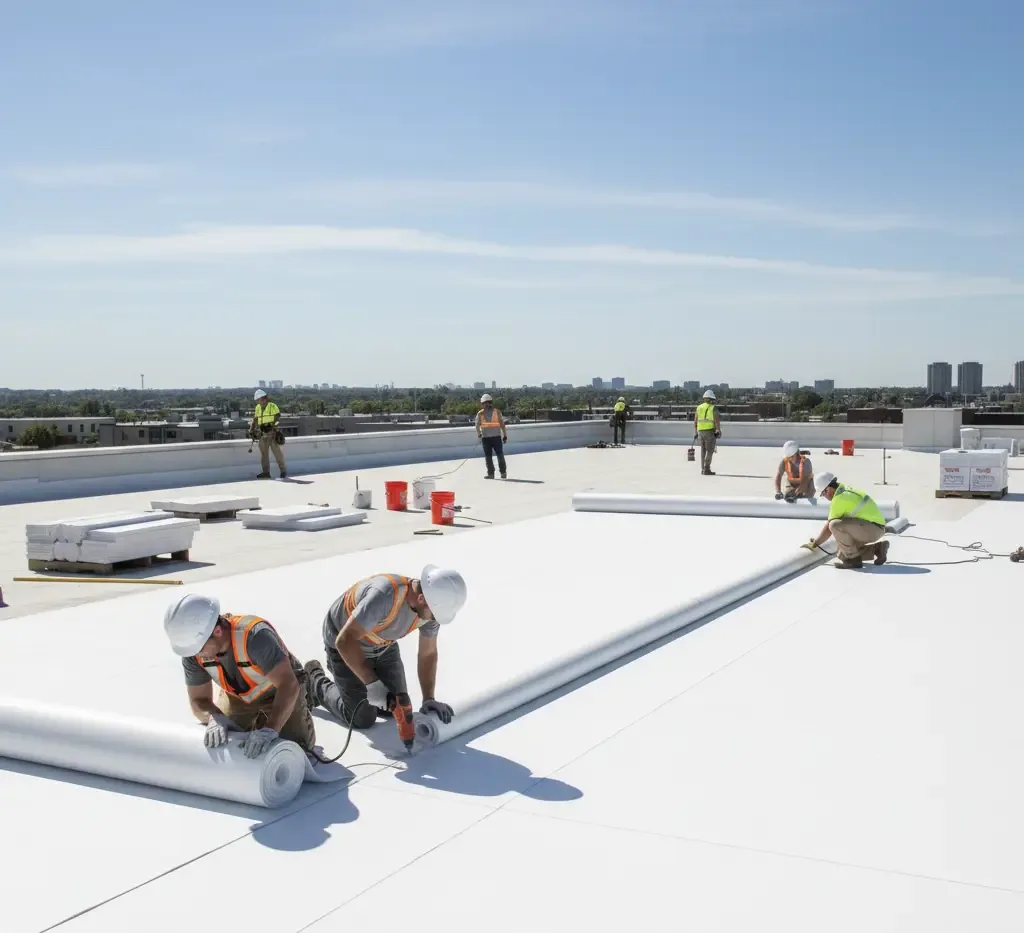
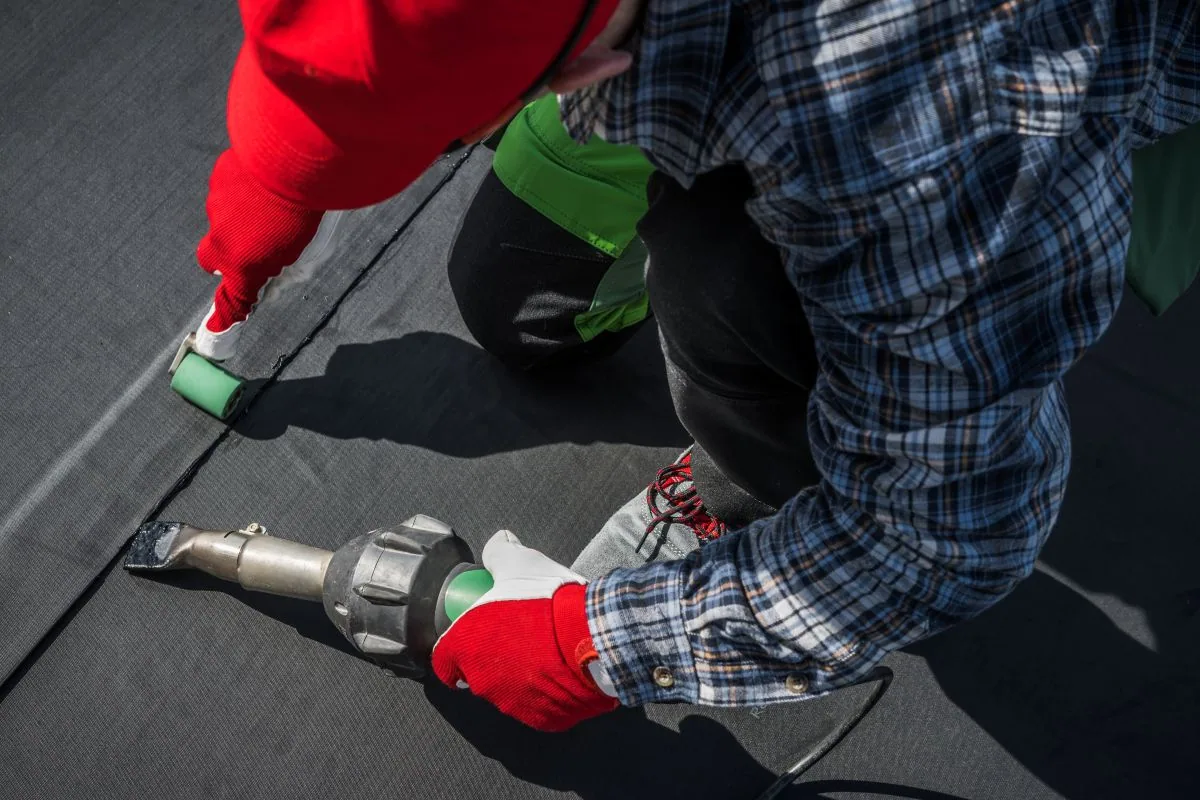
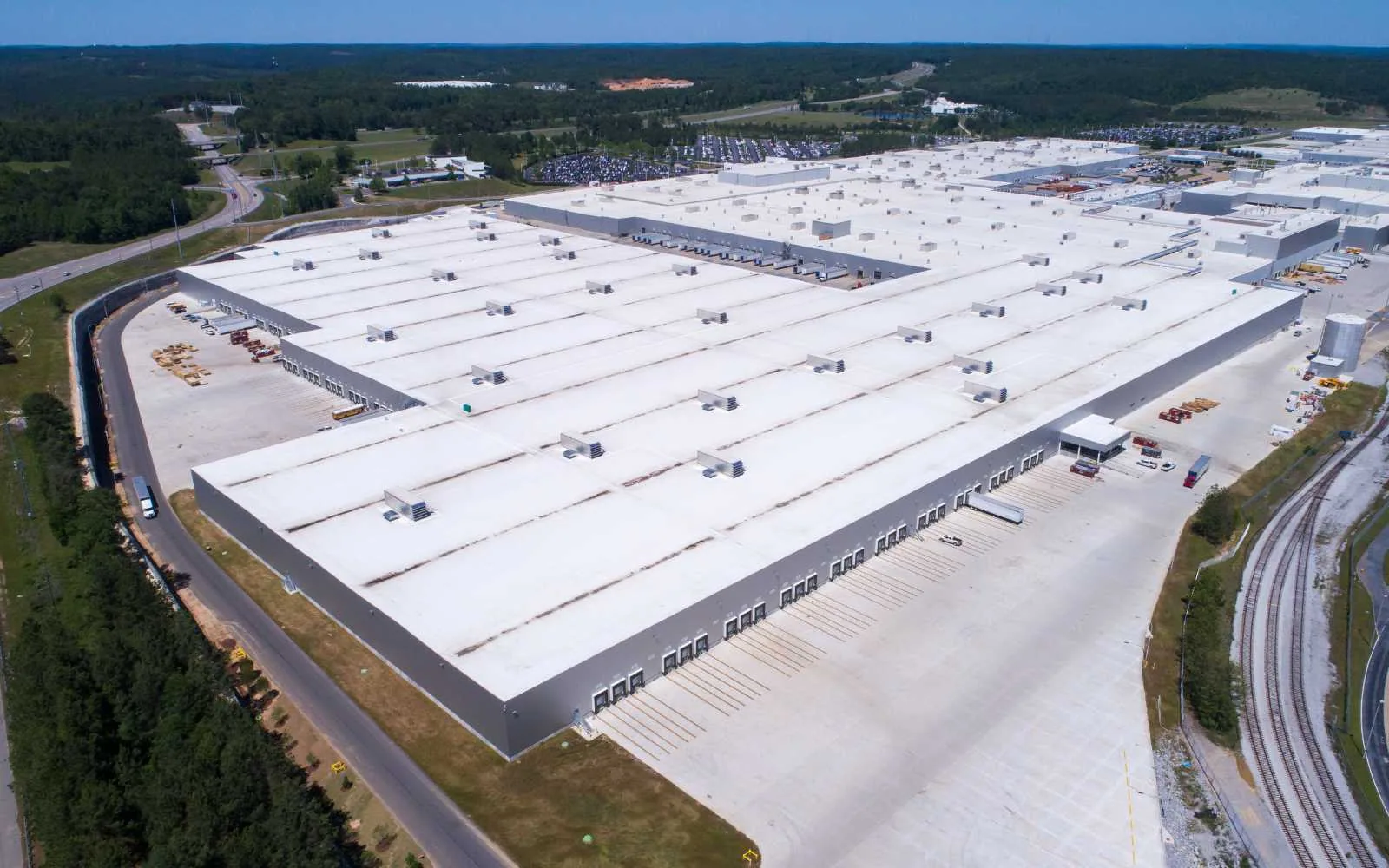
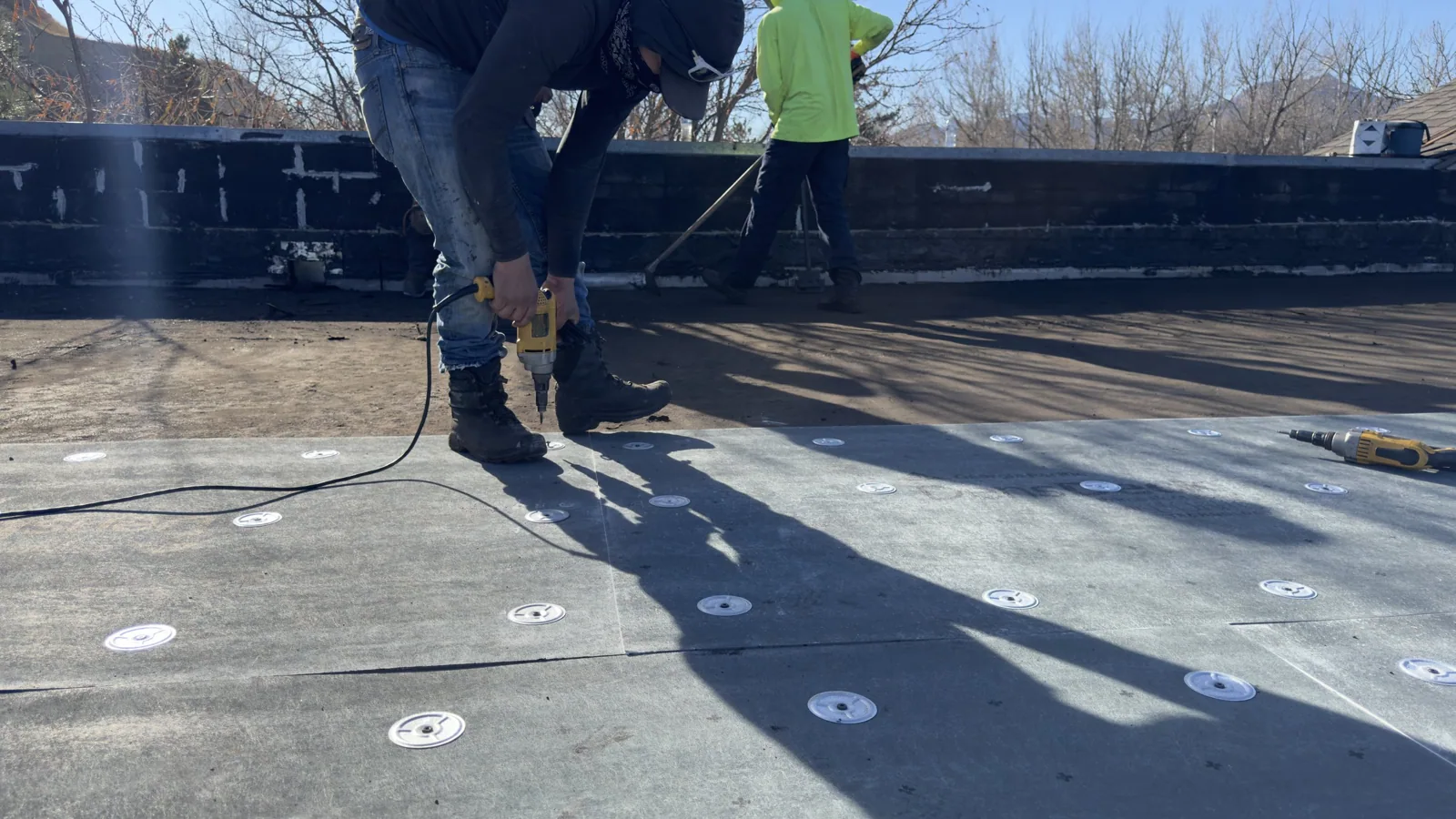
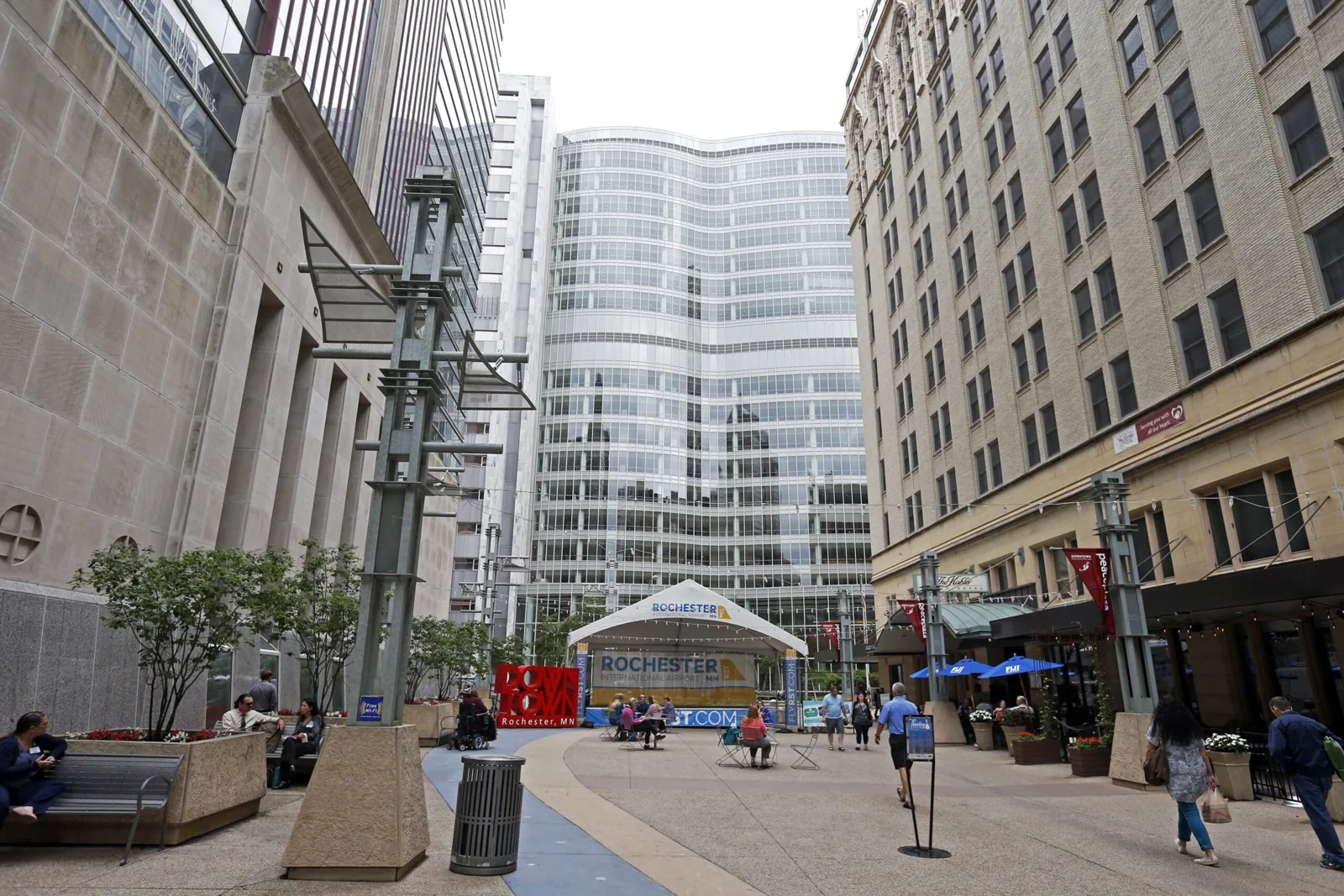

From distribution centers to clinics and schools, we roof the buildings Rochester depends on.
We check product labels, closeout documents, seam construction and details at a curb or edge. TPO has heat-welded seams; EPDM commonly uses tape or adhesive splice details. Color alone is not enough. If visible evidence is inconclusive, we mark the system unconfirmed and identify what record or sample would resolve it.
A weld requires a suitable, clean surface and compatible material. Age, contamination, prior coating and membrane deterioration can affect preparation. We inspect and probe the seam, test the selected area when appropriate, then set a repair boundary that reaches stable sheet rather than stopping at the wet mark below.
Product literature describes a product or assembly, not the roof installed at an address. We compare the submitted records with field details and note any discrepancy. The building's closeout documents, later modifications and current roof conditions remain part of the system identification.
Share the building address, reported leak location, roof plan, prior repair records, system documents and access contact. Tell us whether the inspection must coordinate with clinical, education or industrial operations. We will label each roof section and record any area that access or weather prevents us from checking.