Water is coming into the building right now
Call us and tell us where the water is showing up. We will get a crew on the roof to stop the leak and protect the space below.

Roofing Manufacturers
Inspect and repair Duro-Last commercial roofs in Rochester, MN with custom-fabricated PVC details, seam checks, drainage review, and defined scopes.
Call us and tell us where the water is showing up. We will get a crew on the roof to stop the leak and protect the space below.
We walk the roof, photograph what we find and give you a written scope with repair options before any work starts.
Rochester, MN
A factory-fabricated sheet can arrive with many seams already welded, but the perimeter and field tie-ins still need accurate placement. On a Duro-Last PVC roof in Rochester, MN, we check the panel map, field seams, flashings, drains, fasteners and transitions before setting a repair boundary. Duro-Last describes its system as custom-fabricated to building dimensions, with deck sheets and accessories prepared before installation. Field conditions still determine whether a repair can connect to that original detail.
Valley High Business Center North and South appear on the Mayo Clinic support-campus map, alongside mapped warehouse, inventory and technology uses. Downtown, the Heart of the City brings together Mayo Clinic, hospitality, retail, residential and commercial activity. Those settings help frame access and operating needs, but they do not establish a particular Duro-Last assembly. We confirm the address and use the roof plan or measured field map to identify the correct panel and section.
Send the Rochester property address, leak or repair concern, available panel map and facility contact. We will inspect the agreed sections, mark verified details and return a dated work scope.
We locate the field seams and prefabricated transitions shown in the project record, then compare them with the roof as installed. A missing panel label, later opening or patched curb can alter the original layout. We inspect the membrane surface, heat-welded field seams, corners, pipe boots, drains and edge metal for cuts, loose edges or prior repair material. A PVC system inspection checks the compatibility of the sheet and detail materials before the repair method is selected.
At a drain or parapet, we follow the membrane to its termination and verify how the flashing meets metal or adjacent roof layers. Custom fabrication can reduce some rooftop fabrication, but it cannot correct a shifted drain, damaged substrate or unrecorded mechanical opening. A dated field inspection records what matches the map and where the installed work differs. When the file is unavailable, we create a section sketch and mark unverified seams for confirmation.
A repair begins with an identified membrane and a clean test area. We check whether the existing PVC can accept a heat weld, then extend the patch beyond damaged material onto a sound surface. The perimeter is probed after welding, with corners formed to suit the location and water path. If the panel seam is hidden by a later coating or patch, we do not invent its original alignment; the repair record labels the visible boundary and any test needed to find it.
Accessories at curbs, scuppers and pipe penetrations need compatible flashing and a secure termination. We record the opening, material sequence and closeout photographs so the next service crew can see how the new work ties into the custom-fabricated section. A repair proposal identifies the panel or roof zone, work limits and access assumptions. If a storm-related opening needs prompt attention, a temporary stabilization visit can be logged separately from permanent seam or flashing work.
A single puncture with sound surrounding membrane may need a local patch. Repeated openings at panel joints, failing flashings at several curbs or broad moisture beneath the PVC can change the comparison to selective testing or a larger roof project. We map each condition, identify how much sheet is affected and list any concealed layer that might alter scope. The custom panel design is useful context, but the actual repair boundary follows observed material and verified seam location.
The Rochester seasonal snowfall normal is 46.3 inches; the bulk of that accumulation falls during the months from December through March. Drain bowls, scuppers, overflow routes and parapet terminations are useful inspection points before snow limits visibility, although the property's slope and observed condition still control the recommendation. A Mayo campus roof survey should identify the building and roof zone because a campus map does not define the membrane layout. We keep each building record separate.
The closeout can include the original panel map if supplied, a marked roof sketch, repair photos, materials used and a list of openings that need confirmation. We note whether a seam was factory-fabricated or field-welded only when records or physical details support that identification. A later rooftop trade may cut through a panel or disturb a curb, so the report records those changes beside the date and service area.
Duro-Last's system documents describe product components and installation details; the warranty itself remains tied to the issued building-specific terms. We can organize roof findings beside the owner's paperwork without determining coverage or transfer status. A warranty record review keeps those documents separate from the inspection. If a portfolio also uses GAF EverGuard PVC or Versico membranes, we label each manufacturer's field details independently.
Follow-up maintenance checks panel seams, repair perimeters, corners, drains, walk paths and any rooftop equipment work performed after the last visit. The crew compares current details with the photo log and identifies fresh openings separately from earlier patches. If a seam edge has changed, we inspect nearby drainage and attachment instead of repeating the same repair without a reason. The owner receives dated notes with items completed and unresolved.
At an occupied facility, we coordinate roof access and material staging with the property's representative, then protect the building while a panel or flashing is open. If wind or rain interrupts the planned work window, we install an approved temporary closure and record its limits for return. Emergency response remains available around the clock, including nights and holidays. Permanent work follows after access, material compatibility and the full tie-in can be confirmed.
Other services, systems and buildings that often come up alongside this work in Rochester.
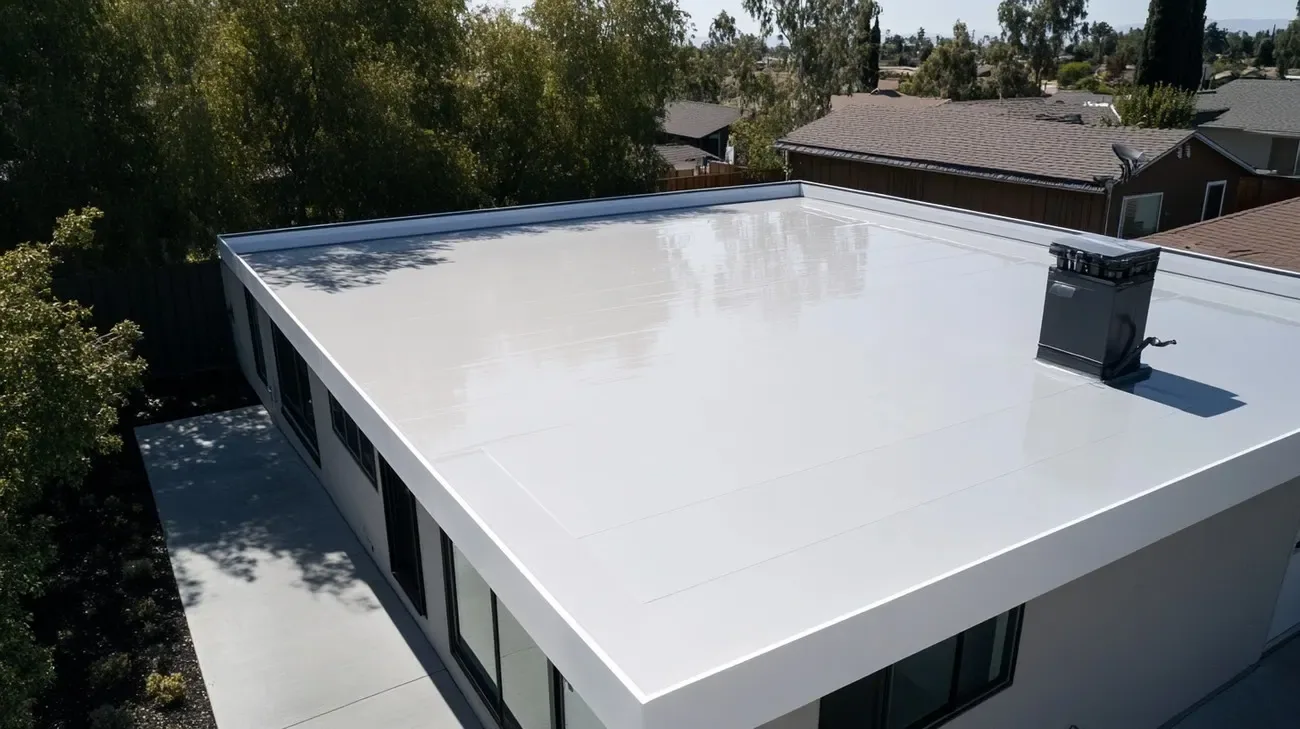
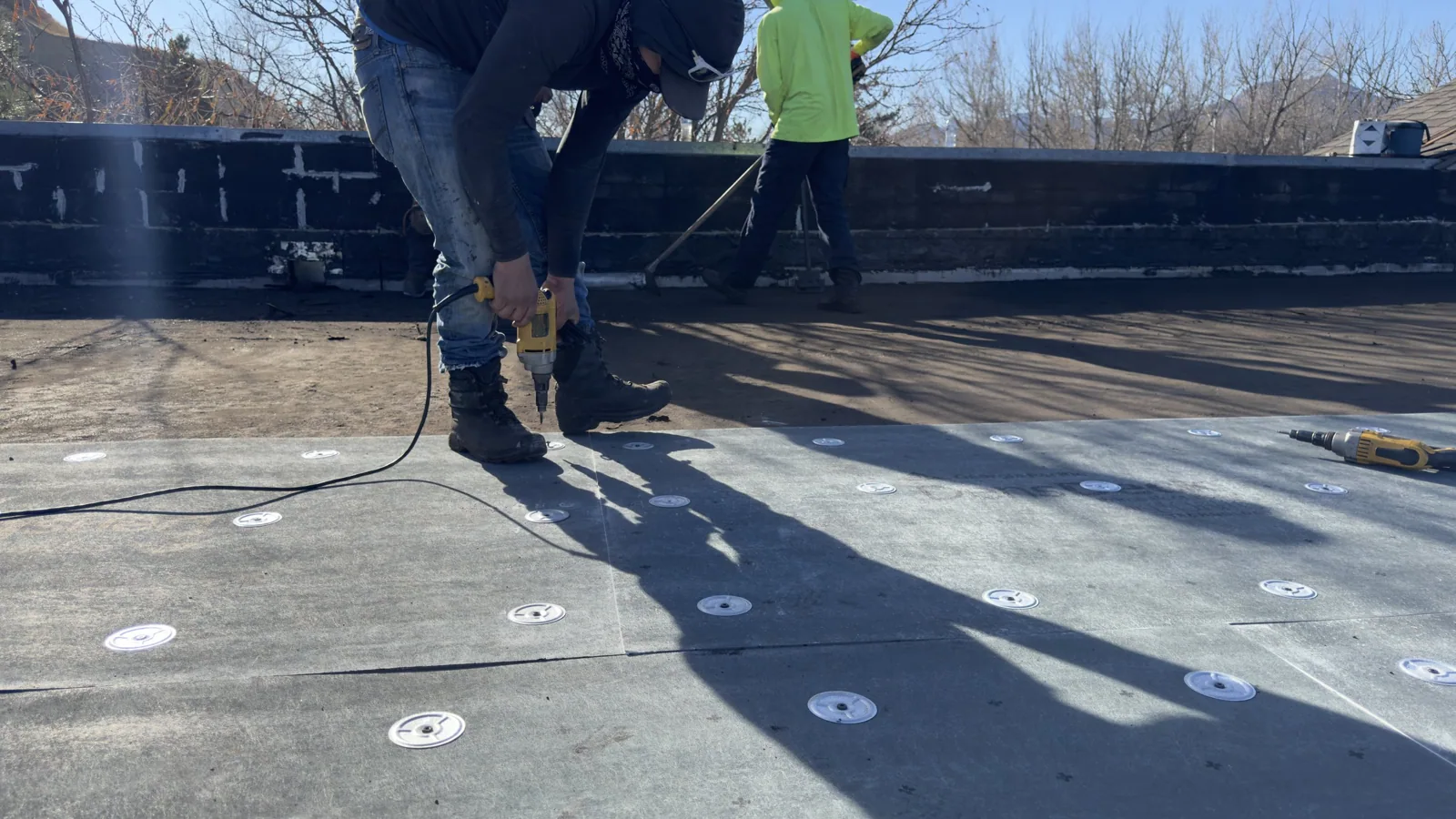
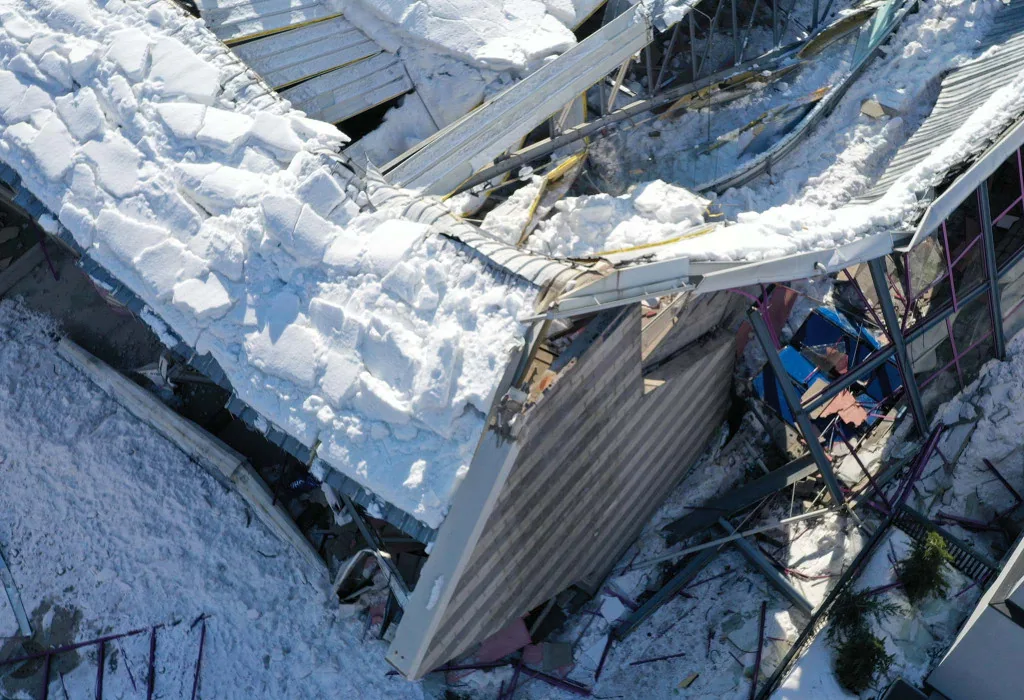
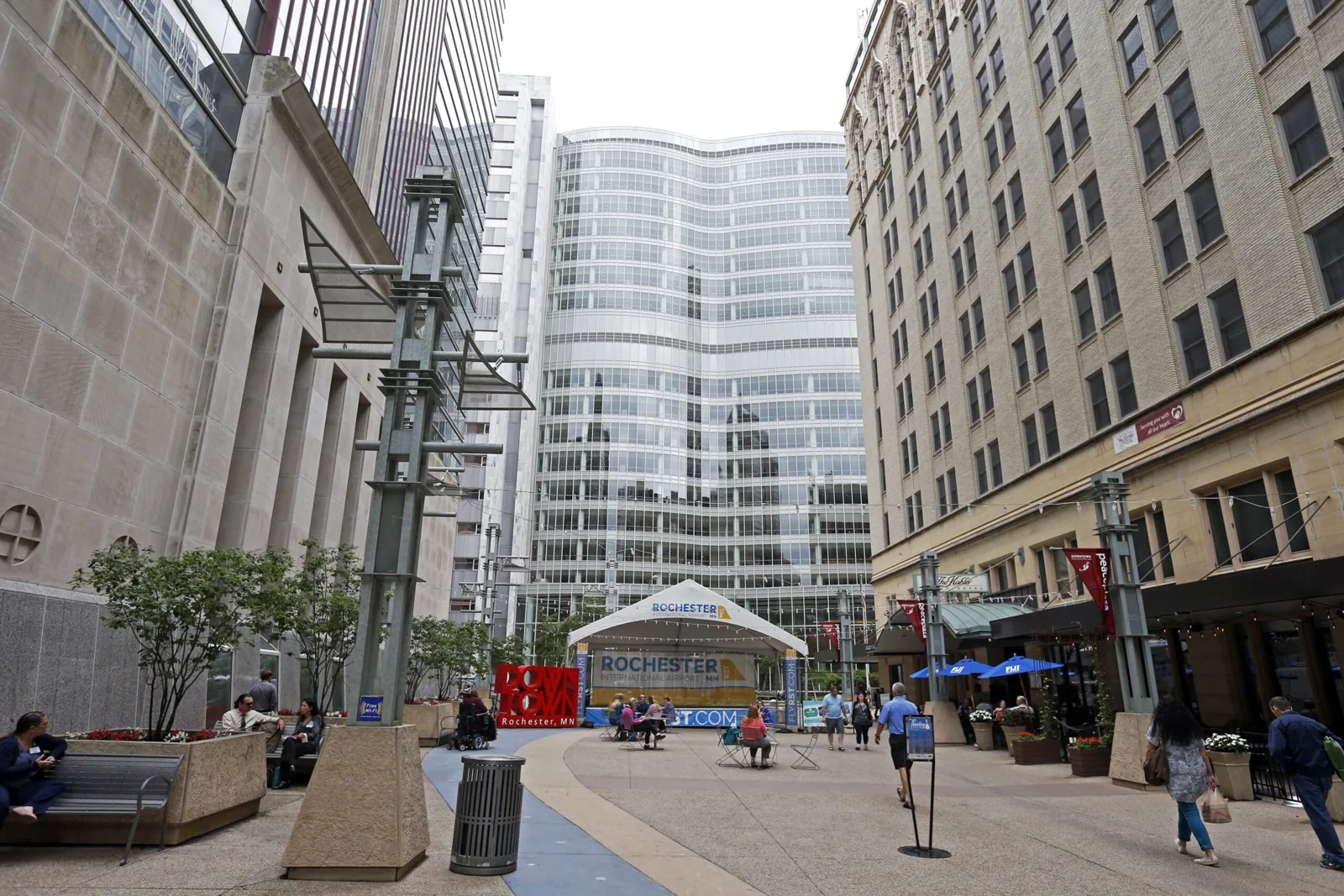
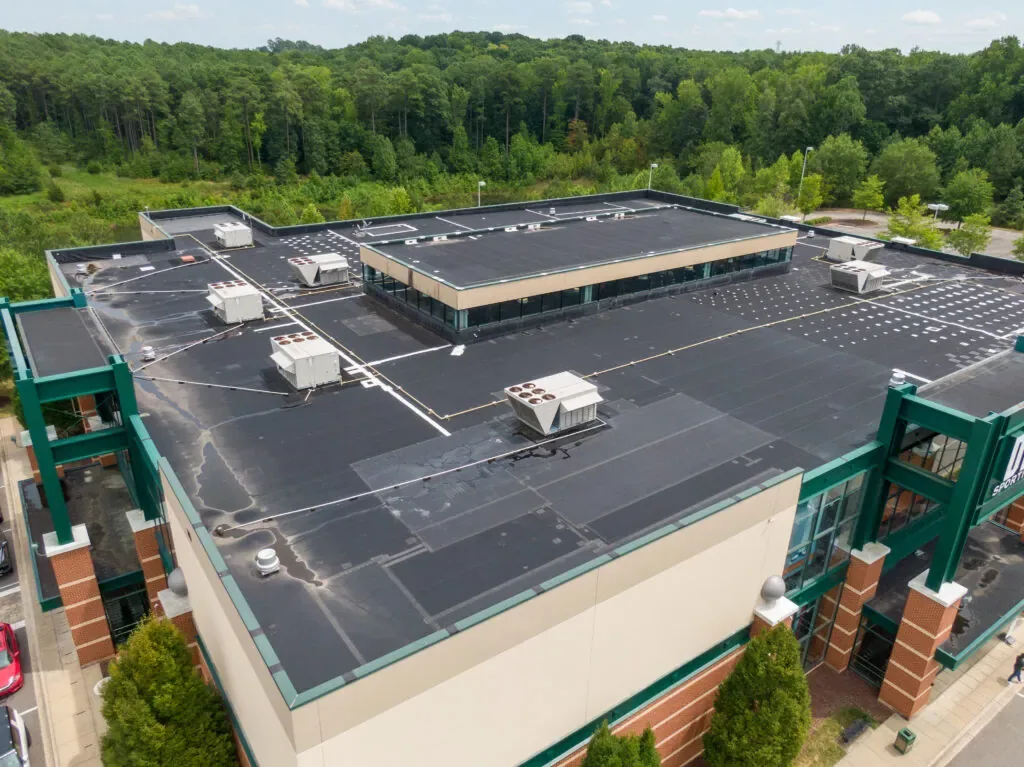
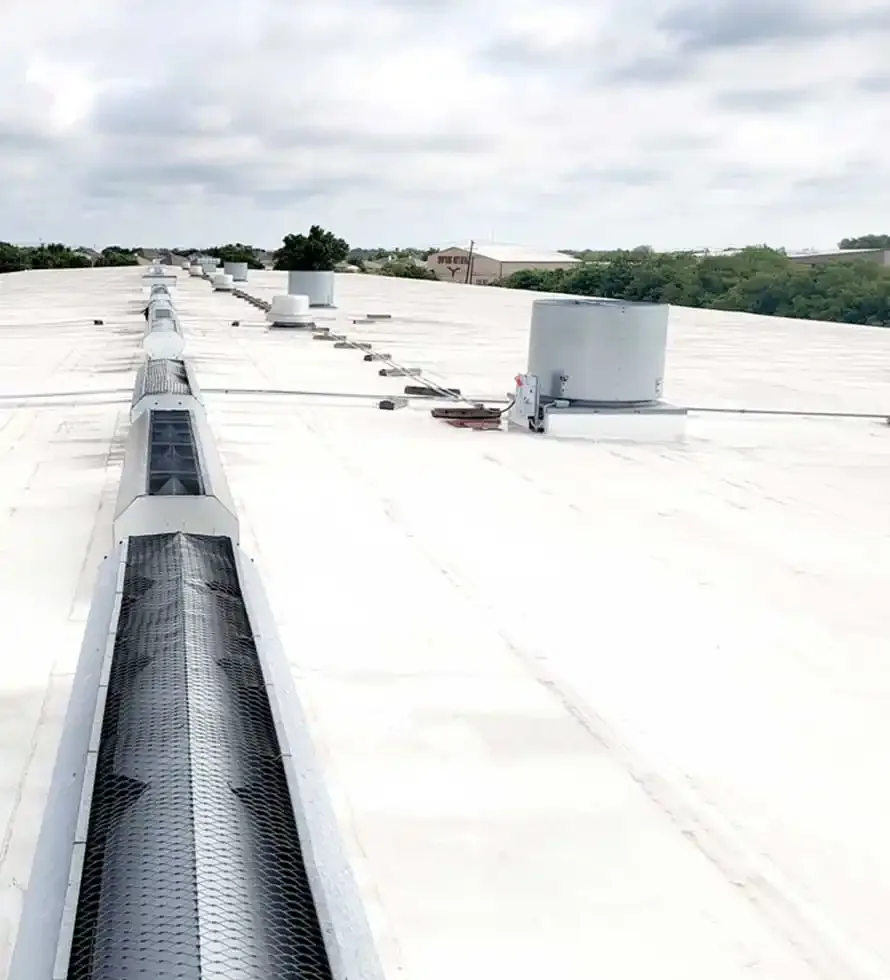
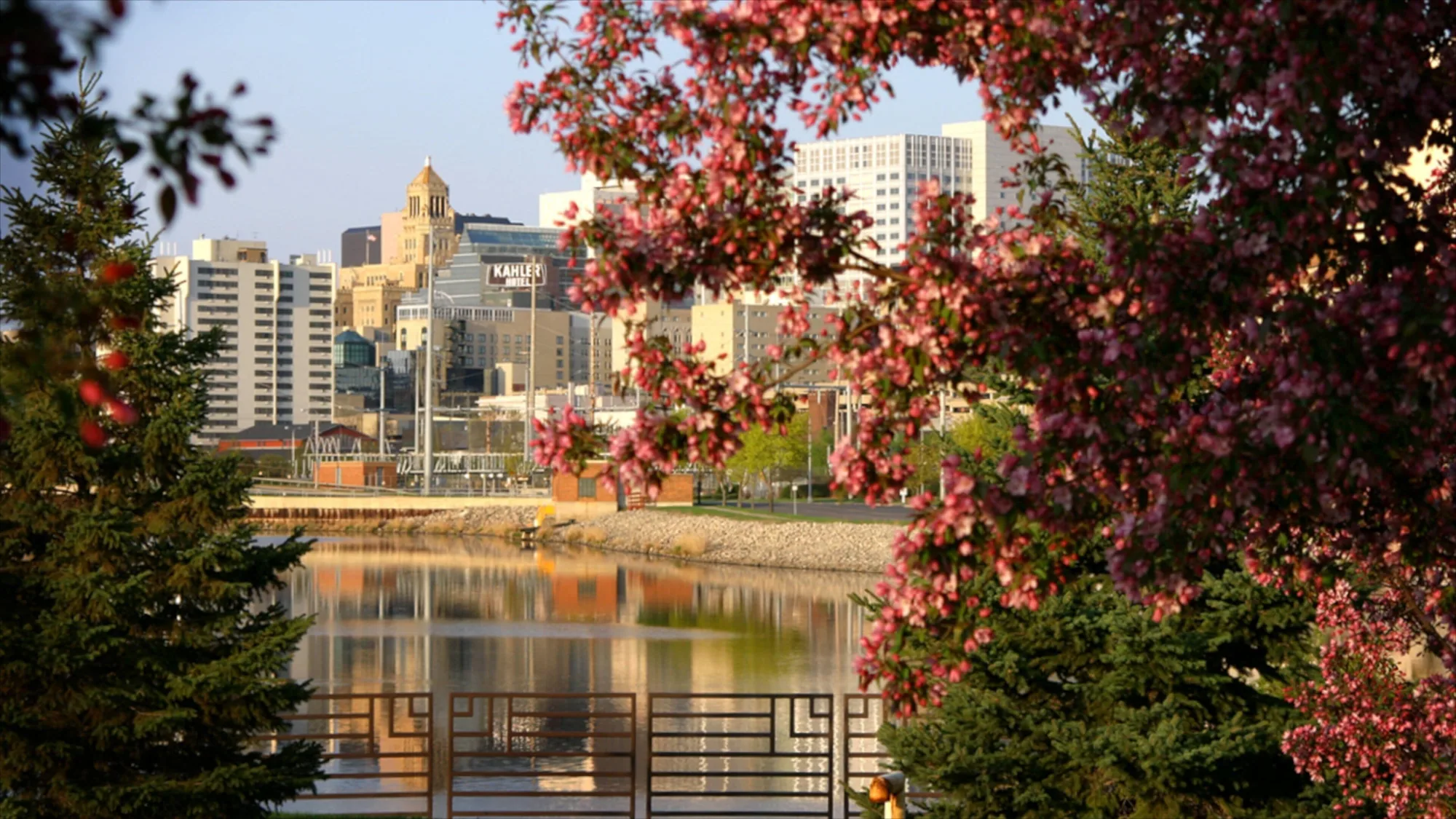
From distribution centers to clinics and schools, we roof the buildings Rochester depends on.
No. The manufacturer's custom-fabrication can complete many seams before delivery, but field connections remain at panel edges, perimeters, openings and some transitions. We compare the panel map with the installed roof, then inspect each field weld and detail that could admit water.
The repair sheet and accessories must be compatible with the installed assembly. We identify the membrane and review any supplied system documents before preparing a test area. The scope records the selected material and weld perimeter; if the existing surface cannot be confirmed, that uncertainty remains an open item.
We inspect the roof and mark visible seams, drains, penetrations and repaired areas on a field sketch. Any factory seam that cannot be distinguished from a later repair is labeled unverified. The owner can then compare the marked layout with older records or provide direction for targeted testing.
Provide the address, roof concern, panel or closeout records, past repair photos and access contact. Note any operating hours or areas that cannot be interrupted. We use those details to match the field visit to the correct building, map and section before recommending repair or testing.