Water is coming into the building right now
Call us and tell us where the water is showing up. We will get a crew on the roof to stop the leak and protect the space below.

Roofing Manufacturers
Inspect and repair Sika Sarnafil commercial roofs in Rochester, MN with PVC-specific seam work, flashing details, drainage review, and clear scopes.
Call us and tell us where the water is showing up. We will get a crew on the roof to stop the leak and protect the space below.
We walk the roof, photograph what we find and give you a written scope with repair options before any work starts.
Rochester, MN
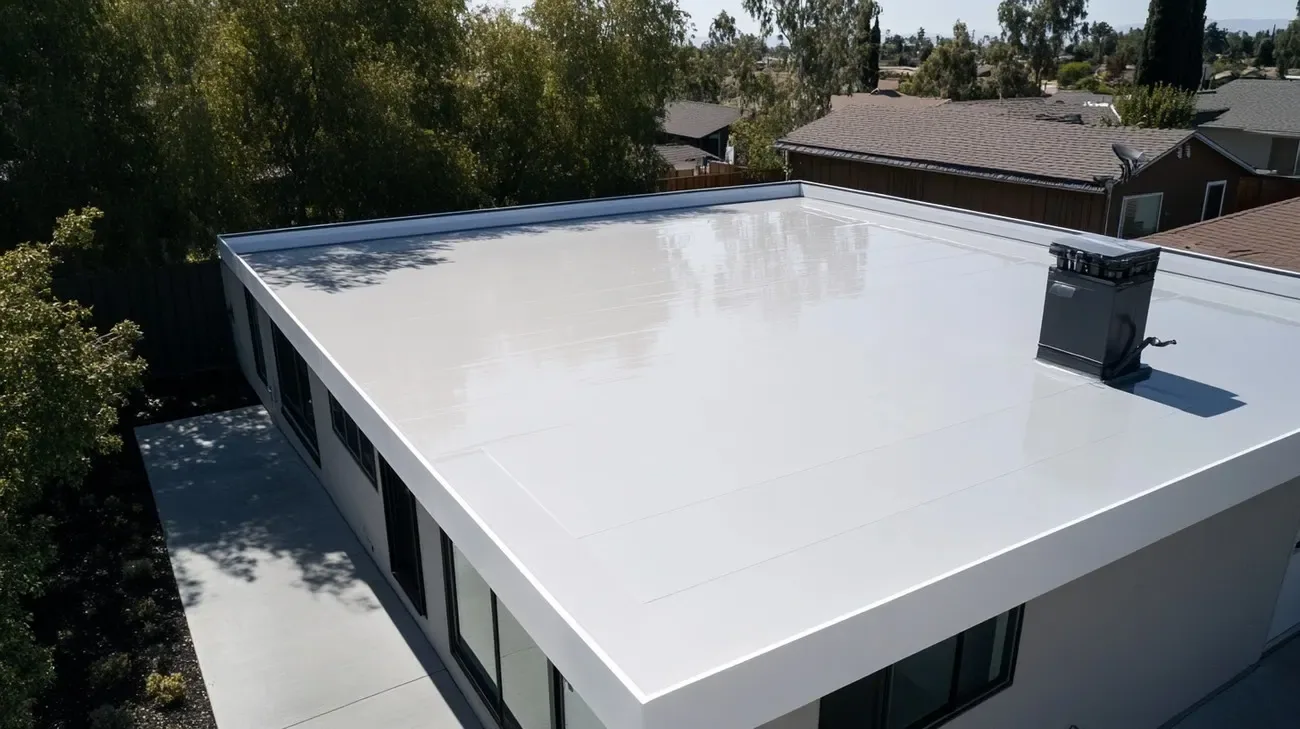
A PVC membrane that turns up a curb needs the same careful review as the field seam that drains toward it. For a Sika Sarnafil roof in Rochester, MN, we identify the membrane family, reinforcement and attachment before setting a repair boundary. Sarnafil G membranes are designed for adhered applications, while the reinforced S series is designed for mechanically attached systems. We verify the installed system and project documents before selecting a repair detail.
City planning materials for the former IBM parcel now known as Rochester Technology Campus evaluate future options that range across housing, commercial uses, industry and warehouse/light-industrial development. None describes the present roof. For a Sika Sarnafil review, we first verify the building and membrane in the field, then document seam, perimeter and drainage conditions for that assembly.
Send the Rochester address, leak location, roof records and access contact. We will identify the visible membrane, inspect the agreed details and return dated photos with repair or testing options.
Sarnafil and Sikaplan are PVC membrane families with mechanically attached and adhered system options. We inspect the surface, seam, fastening pattern or bond, flashing corners, walk pads and metal edge before identifying which product is installed. A PVC roof assessment checks whether the sheet and detail materials are compatible; a KEE membrane remains a separate identification because its formulation and repair instructions can differ.
At penetrations, we trace the PVC from the field into a prefabricated or field-formed flashing, then check the termination and sealant above it. The seam probe looks for incomplete fusion, trapped contamination, fishmouths and stress where a curb shifts. If a metal counterflashing or older patch hides the edge, we note the limit. A roof inspection can provide dated photographs and a map of sections that need further access or testing.
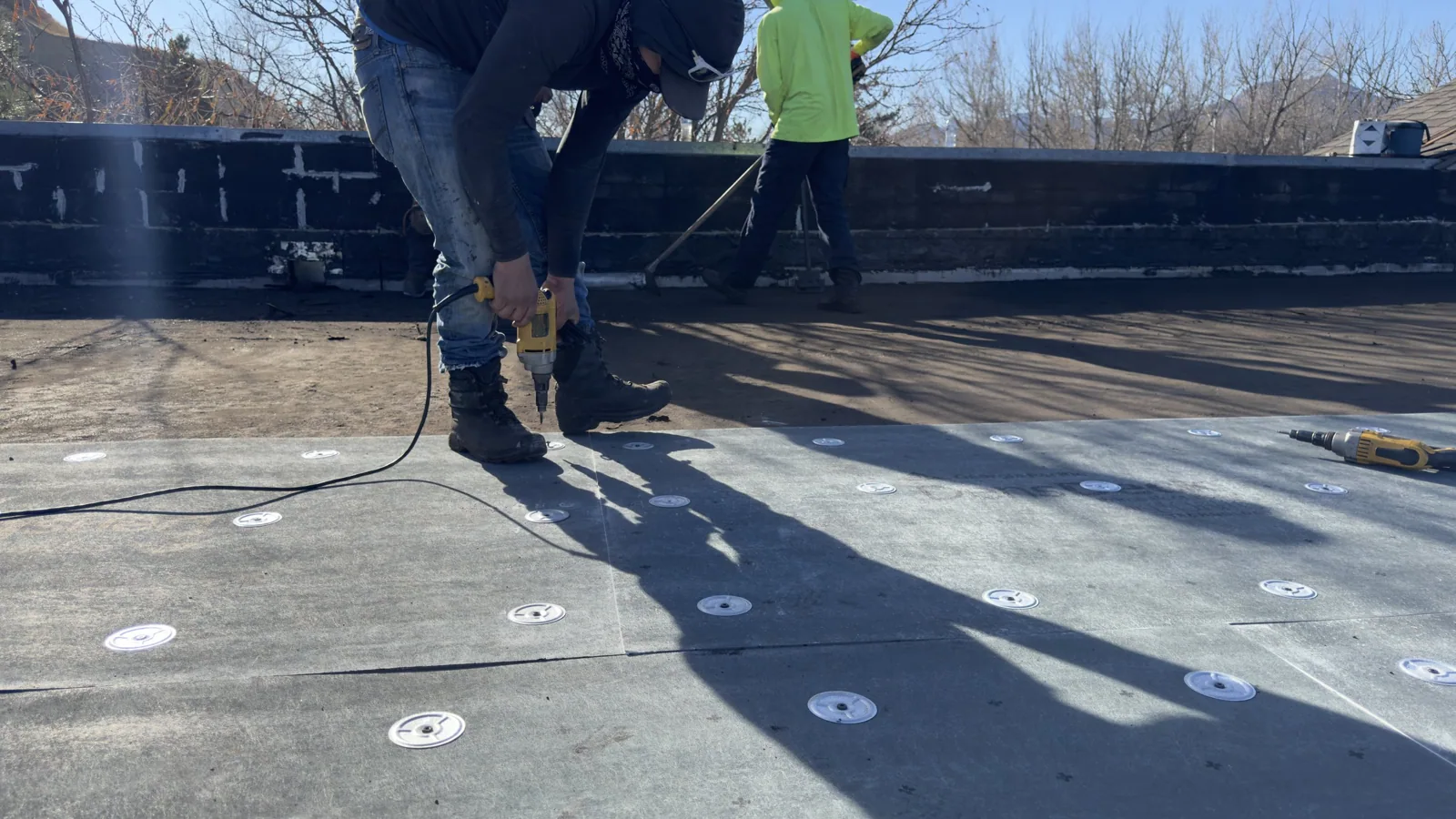
Thermoplastic seams close through controlled heat and pressure, but the settings must suit the material and field conditions. We prepare a test weld, confirm the sheet can fuse and then patch onto sound membrane. Where the system is mechanically attached, we also check fastener rows and perimeter restraint; replacing surface sheet alone will not correct a loose attachment. On an adhered field, a bond issue can call for investigation below the membrane before new material is installed.
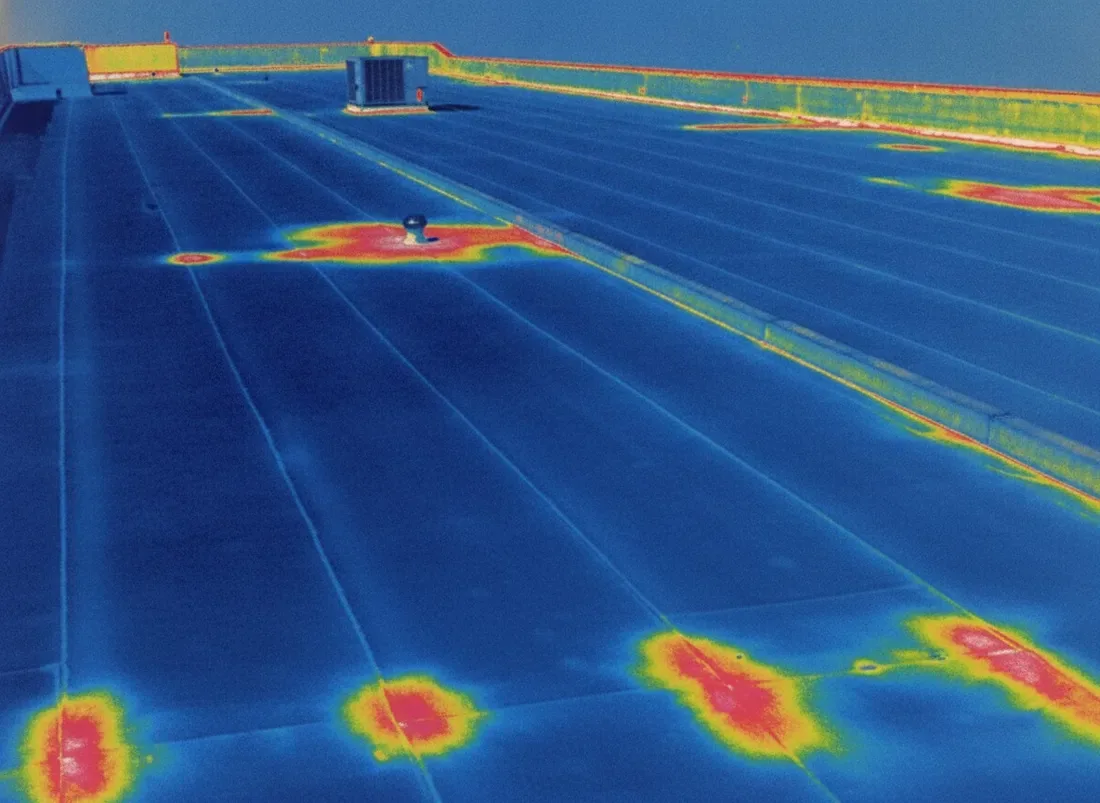
A flashing detail at a drain, curb or parapet must fit the specific roof configuration. We record the opening, material sequence, weld perimeter and any change in substrate before closing the repair. A repair proposal identifies the work area and access assumptions. If water has entered more broadly, a moisture survey may help select test locations, while the report still marks what was directly confirmed.
A seam opening with stable surrounding membrane can support a localized repair. Repeated openings, damaged reinforcement, wet insulation or failure at several independent details can change the comparison to broader testing, recover or replacement. We describe the evidence, quantity and unresolved conditions for each option. We assess remaining serviceability from the roof's current condition, repair history, test results and the terms in any issued warranty.
Rochester's normal seasonal snowfall is 46.3 inches, with the larger share falling from December through March. We therefore pay attention to drain bowls, scuppers, overflow paths and edge securement during seasonal review, while the observed slope and condition control the recommendation. For a property in the Heart of the City, downtown use and access can affect staging; we confirm those details with the building contact instead of assuming a roof condition from the district.
The field report identifies the inspected system where confirmed, roof area, visit date, tested locations, materials observed and photographs of each repaired detail. We state whether a test weld passed the selected field check and identify any concealed layer that remains unknown. If documents list a membrane model or assembly, we compare them with visible details and mark discrepancies for the owner. The report describes what we saw, not a manufacturer's acceptance of the work.
For a property manager, the repair history can be retained with the asset file and reviewed before capital planning. A condition report carries dated observations, while a warranty record check keeps the issued documents separate. Another building in the same portfolio may use Carlisle SynTec TPO or SOPREMA PVC or modified bitumen; we preserve those system differences in the property register.
A follow-up visit checks repaired seams, flashing corners, drain edges, walk paths and locations where HVAC or electrical trades have worked. We compare the closeout photographs with current conditions and list any new opening separately from the original repair. If a seam has lifted again, we inspect the area around it for movement, bond loss, trapped moisture or a poor tie-in before specifying another patch.
Rochester Technology Campus occupies the former IBM parcel, where city planning outlines multiple potential paths for the property, from housing to industrial or commercial redevelopment. These are future-use scenarios; the Sika Sarnafil work plan addresses the membrane and roof details confirmed at the building actually under review.
Other services, systems and buildings that often come up alongside this work in Rochester.
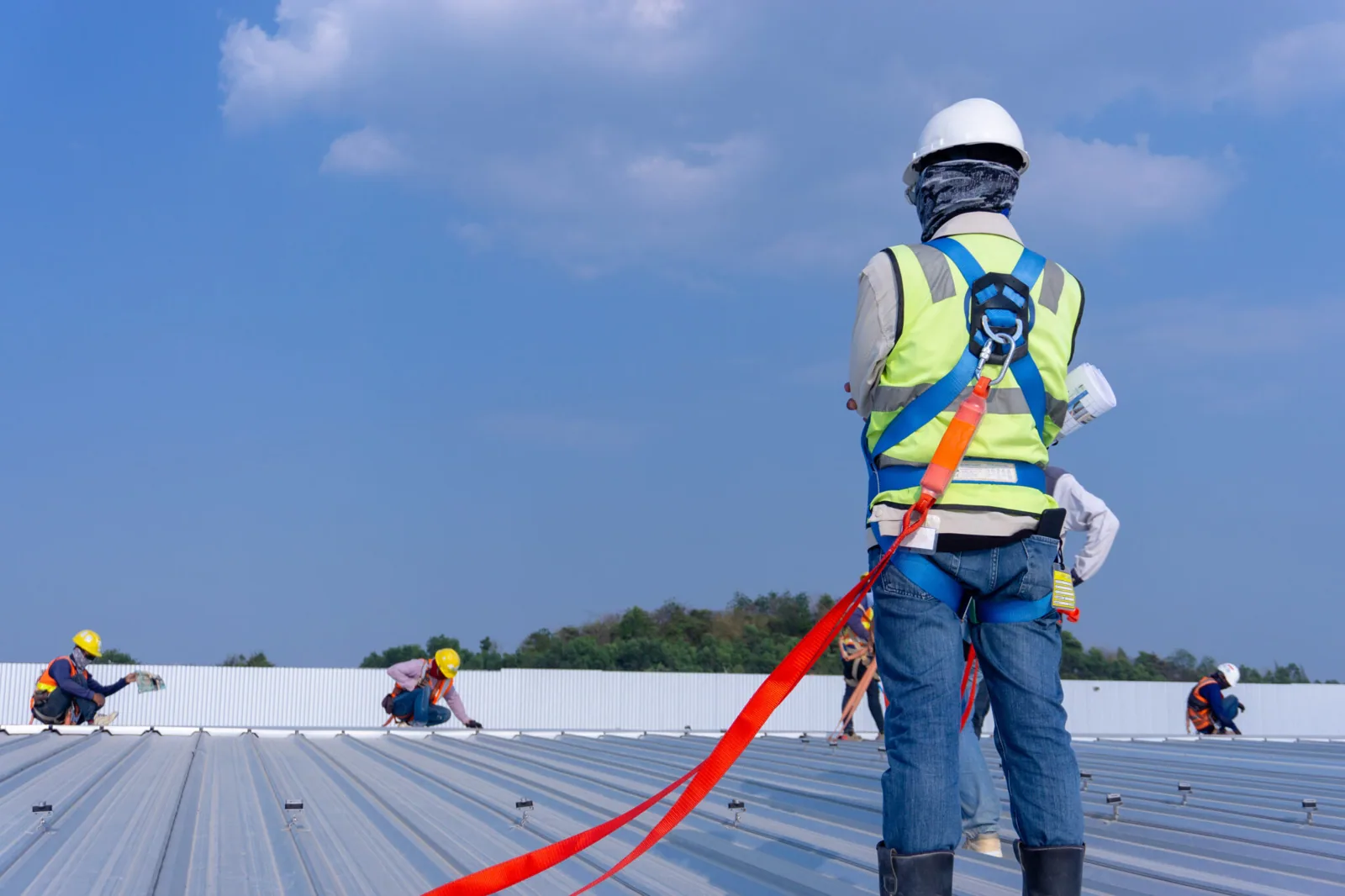
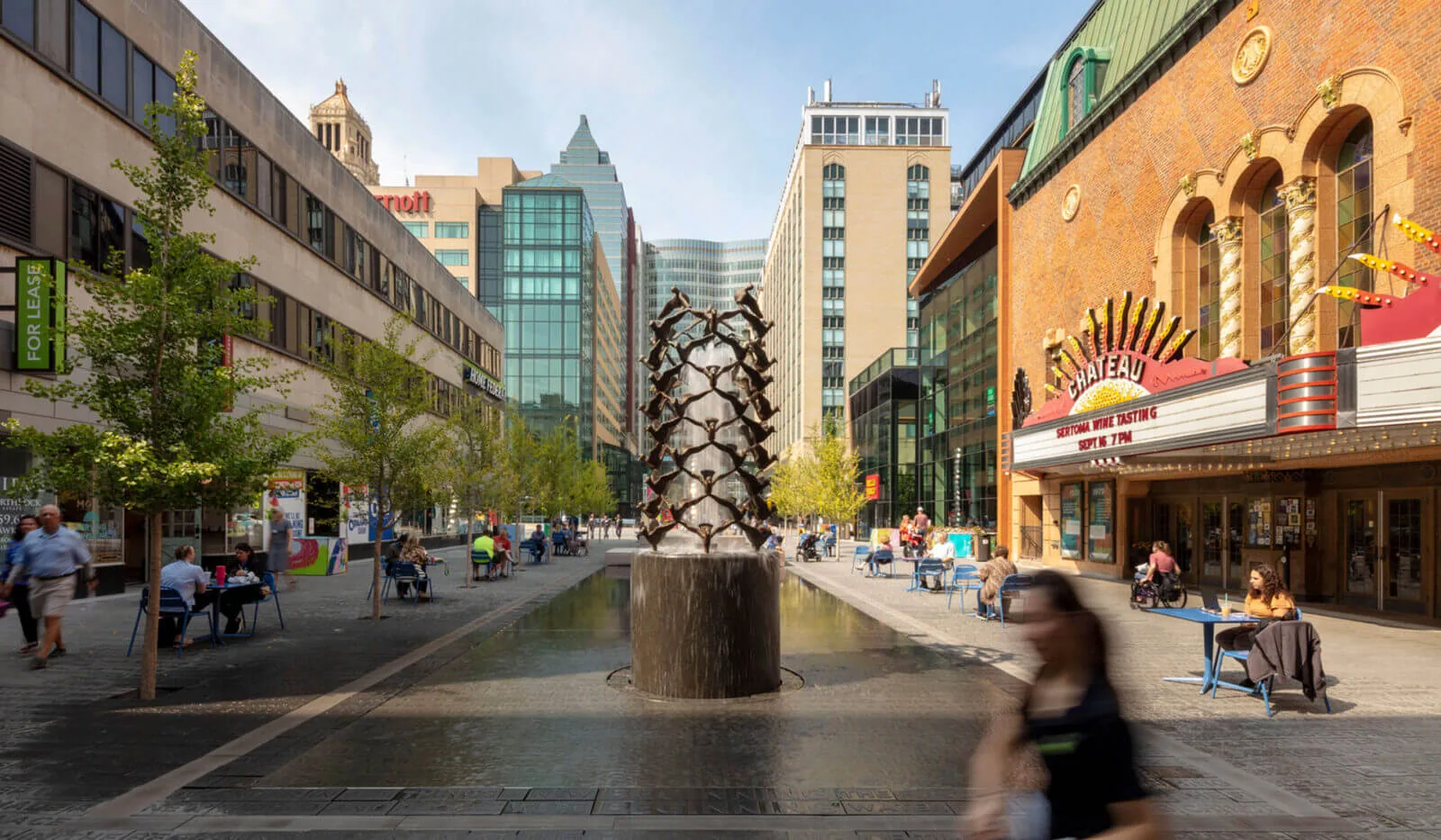
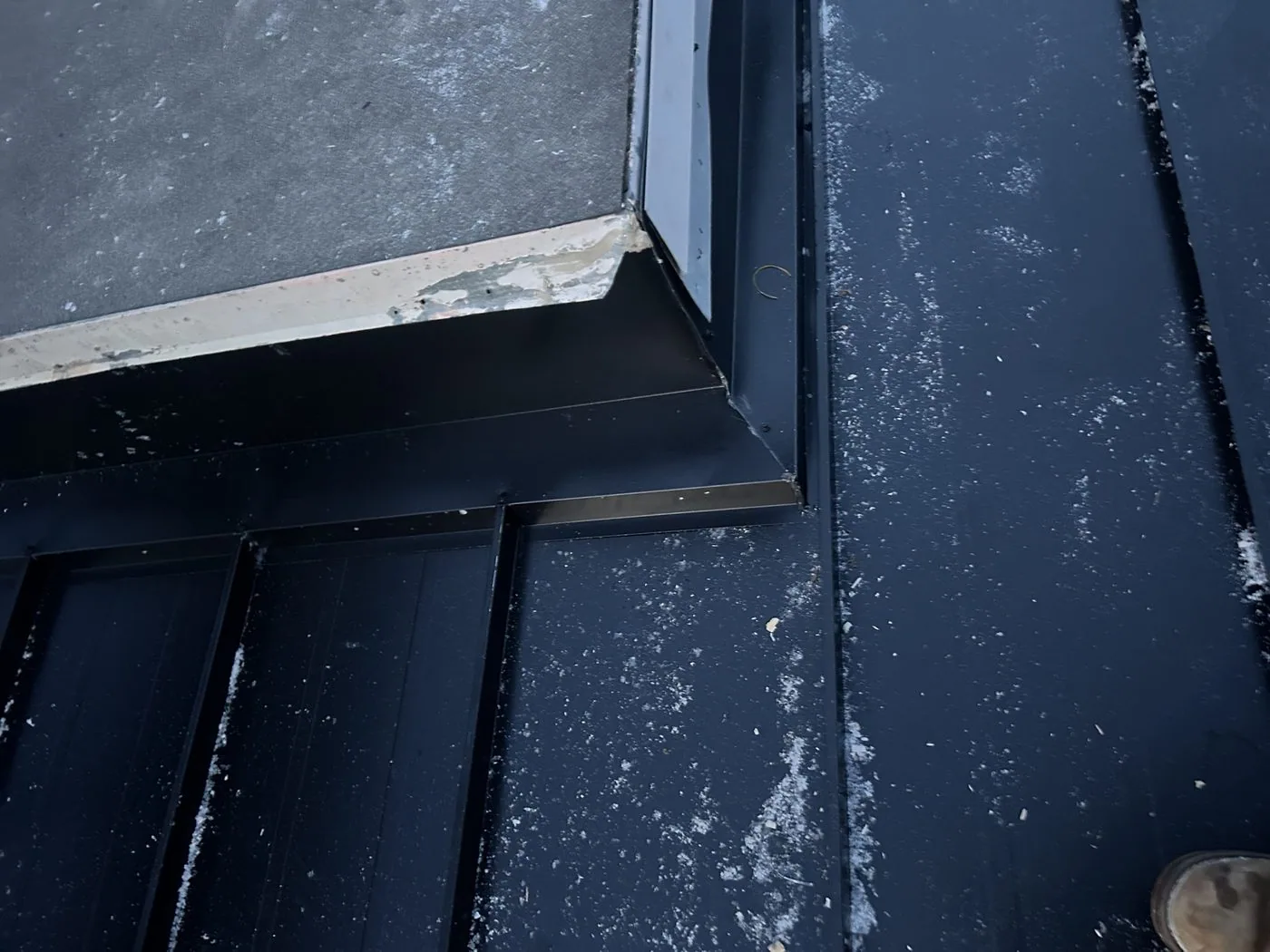
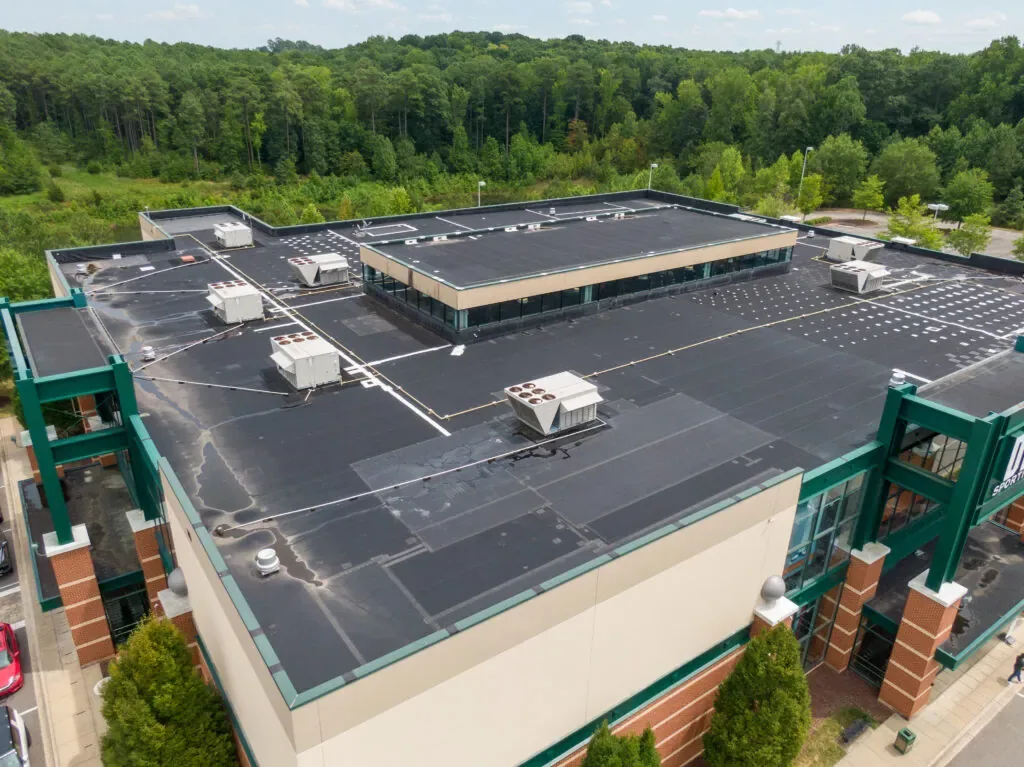

From distribution centers to clinics and schools, we roof the buildings Rochester depends on.
The manufacturer describes the G series for adhered systems and the S series with polyester reinforcement for mechanically attached applications. We verify the actual membrane, attachment and project detail before repair. Product family alone does not confirm which assembly was installed on a specific Rochester building.
The surface needs to be clean and suitable for fusion. Coating, residue, aging or incompatible material can prevent a reliable weld. We prepare a test area where appropriate and set the repair boundary on sound membrane; if the surface cannot be confirmed, the scope names that limitation and the needed follow-up.
An inspection documents roof condition and repair evidence. Coverage, transfer and notice requirements come from the issued agreement and its administrator. We can organize the supplied documents beside the field map, but a product identification or visual observation does not establish current warranty status.
Provide the address, roof plan, known leak area, any product or closeout records, past repairs and the access contact. Note whether tenants or equipment operations restrict staging. We use those details to identify the proper sections and return a report that separates confirmed details from inaccessible areas.